Traveling with electronic cigarettes has become more common over the years, but passengers often wonder whether these devices are allowed in hand luggage. To ensure a smooth journey, it’s essential to understand the specific regulations regarding electronic cigarettes and how airlines handle their transport. Generally speaking, electronic cigarettes are permitted in hand luggage on most airlines, but there are critical restrictions and guidelines that one must adhere to.
Why Are Electronic Cigarettes in Hand Luggage?
Electronic cigarettes are usually allowed in hand luggage because their batteries can pose a fire hazard if packed in checked baggage due to potential overheat during transport. Carriers aim to reduce risks by ensuring that the devices are within the cabin where the crew can address any issues rapidly. It is crucial to familiarize yourself with these protocols before traveling to avoid any inconveniences at the airport security checkpoint.
How to Pack Your Electronic Cigarette
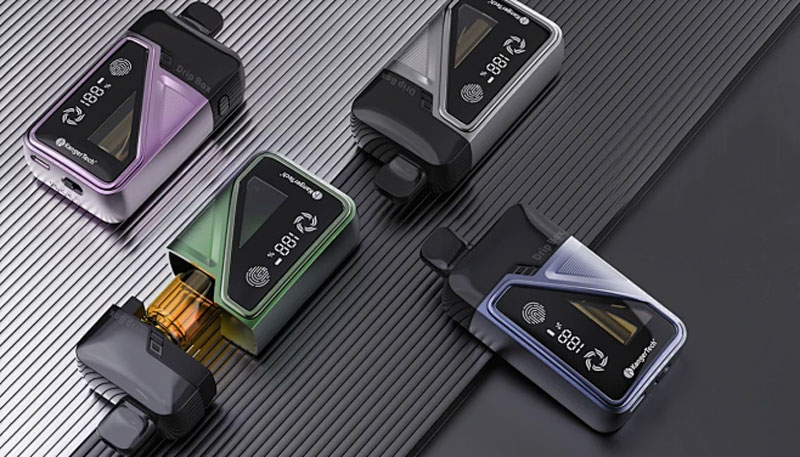
- Firstly, make sure to disassemble your electronic cigarette. Removing the battery and separating it from the device helps prevent accidental fires. Keep batteries within a secure compartment or protective casing.
- Second, ensure that the vape juice or liquid is tightly sealed and adheres to liquid restrictions by packing it in containers no larger than 100ml.
- Lastly, it’s advisable to turn off the electronic cigarette or remove cartridges to avoid inadvertent activation during the transit.
Specific Airline Guidelines
Each airline might have its distinct regulations that can vary. For instance, some airlines may prohibit the use of electronic cigarettes on board, while others might have particular restrictions about battery types.
Check with Your Airline
The Safety Aspect
Ensuring safety is paramount when flying with electronic devices such as electronic cigarettes. Familiarize with any restrictions about battery capacity or the number of lithium-ion batteries allowed on board. Always comply with the recommended guidelines to guarantee both personal and public safety during flights.
Can You Use Electronic Cigarettes in the Airport?
While electronic cigarettes are allowed in luggage, their use in airports or onboard can differ considerably. It is common to find designated smoking areas in airports where electronic cigarettes may be used, similar to traditional smoking zones. However, using electronic cigarettes on the aircraft is typically restricted. Most airlines ban vaping during flights due to potential disturbances and safety concerns.
To sum up, bringing electronic cigarettes in hand luggage is generally allowed, yet requires careful adherence to guidelines regarding battery and liquid restrictions. Staying informed about airline-specific regulations and ensuring safe packing will enable travelers to enjoy a smooth journey.
Frequently Asked Questions (FAQs)
1. What happens if I carry electronic cigarettes in my checked luggage?
Due to the fire hazard of lithium-ion batteries, electronic cigarettes should never be placed in checked luggage. Flight attendants and crew can manage potential risks better when these devices are in the cabin.
2. Are there any restrictions on the amount of vape liquid I can carry?
Yes, vape liquid should be packed according to the general airline restrictions on liquids. Therefore, containers must not exceed 100ml and need to be placed in clear, resealable plastic bags.
3. Can I charge my electronic cigarette onboard?
Charging electronic cigarettes on flights is typically not allowed. It is advised to ensure devices are fully charged before boarding and to keep spare batteries away from direct contact with other electronic devices.