Navigating the complex realm of Italy’s e-cigarette import rules in 2023 is crucial for businesses and individuals aspiring to venture into the vaping market. Italy, like many European countries, has established stringent regulations to ensure health safety and compliance with overarching EU legislations. This article will dissect these rules, providing clear insights and guidance on how to successfully navigate them.
First and foremost, all e-cigarette products imported into Italy must comply with the Tobacco Products Directive (TPD) mandated by the European Union. The TPD sets forth comprehensive guidelines regarding product composition, labeling, and safety, ensuring that consumers are afforded maximum protection.
Key Regulations to Consider
- Registration and Notification: All e-cigarette products must be registered with the Italian Ministry of Health. This involves submitting detailed product information, including ingredient lists and emissions data, six months before the intended market introduction.
- Nicotine Content: The TPD specifies that e-liquids must not exceed a nicotine concentration of 20 mg/ml. Additionally, nicotine-containing products can only be sold in refill containers that do not exceed 10 ml.
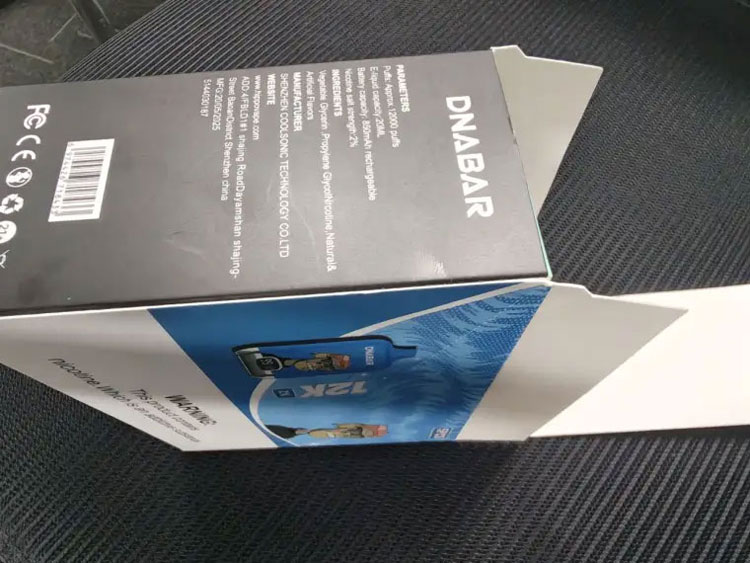
- Packaging and Labeling: Packaging must include prominent health warnings covering at least 30% of the unit’s front and back surfaces. Furthermore, it must contain information on potential risks and instructions for use.
- Product Safety: Every product imported must undergo rigorous safety testing to conform to the TPD’s detailed safety requirements, ensuring that products are both safe and reliable for consumers.
Selling E-Cigarettes in Italy
The Italian market for e-cigarettes continues to expand, driven by increasing consumer interest. However, understanding the legal landscape is essential. Retailers must also comply with Italy’s tax implications on vaping products, which include a specific excise duty on liquids delivered as consumer-ready products.
Common Challenges faced by Importers
Complex Compliance Process
One of the major challenges importers face is the complex compliance process. Navigating through the bureaucratic nuances of registration and documentation requires significant time and expertise.
Customs and Duties
Another hurdle is dealing with customs. Importers must ensure that all products meet both Italy’s national requirements and broader EU standards to avoid delays and potential financial penalties at the border.
Market Competition
With the market becoming increasingly saturated, it’s crucial to offer differentiated products distinguished by quality and innovation. This often means staying ahead with technology and maintaining close attention to consumer trends and feedback.
Conclusion
Thorough understanding and adherence to Italy’s e-cigarette import regulations are not just a legal obligation but an ethical necessity, ensuring that the vaping products sold are safe and compliant. By staying informed and working closely with regulators, importers and sellers can efficiently market their products to one of Europe’s largest consumer bases for e-cigarettes.
FAQs

- What is the TPD and why is it important?
- The Tobacco Products Directive (TPD) is an EU law that regulates the sale and marketing of tobacco and related products in the EU. It is essential because it establishes standards for product safety, labeling, and quality, aiming to protect consumer health.
- Are there any restrictions on flavors?

- While the TPD regulates nicotine levels and packaging, individual nations like Italy may have additional restrictions on flavors. It’s advisable to consult local regulations to understand exact limitations.
- How can businesses ensure compliance?
- Businesses can ensure compliance by engaging with regulatory experts, maintaining updated product documentation, and regularly reviewing both EU-wide and national updates.