The battle against tobacco addiction has witnessed several interventions, among which electronic cigarettes (e-cigarettes) and varenicline stand prominent. As many adults seek effective smoking cessation methods, understanding the differences between these two options becomes crucial.
Mechanisms of Action
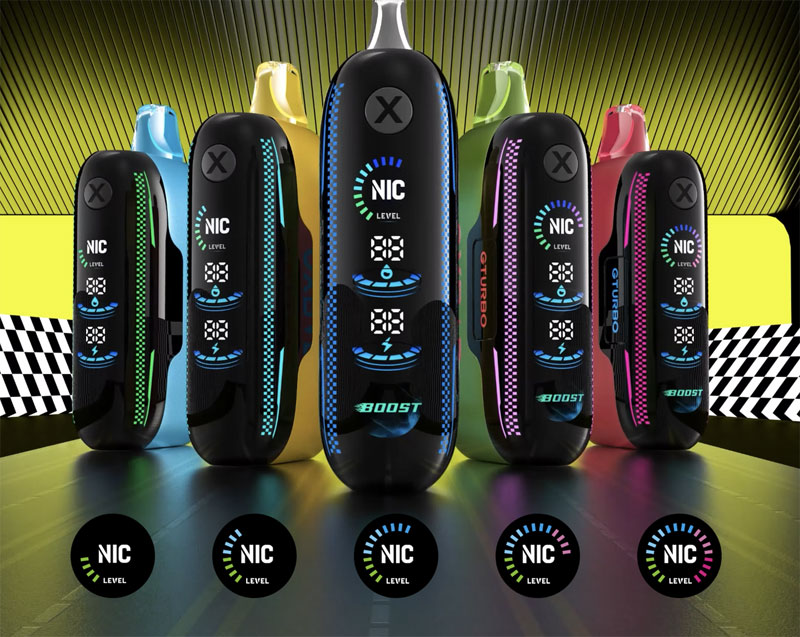
E-cigarettes offer a practical approach for smokers who are not ready to give up nicotine entirely. They work by providing a form of nicotine inhalation without the harmful tar and gases present in conventional cigarettes. On the other hand, varenicline, a prescription medication, functions by reducing cravings and withdrawal symptoms, acting as a selective nicotinic receptor partial agonist.
Effectiveness in Smoking Cessation
Research comparing e-cigarettes vs. varenicline; for smoking cessation has produced varied results. Some studies suggest that e-cigarettes may be more effective due to their ability to mimic the smoking experience, offering both physical and psychological relief. However, varenicline has demonstrated a higher success rate in clinical settings. Its efficacy is bolstered by its targeted action directly on the brain’s receptors involved in nicotine addiction.
User Experience and Preferences
While e-cigarettes offer a more customizable experience, including flavor options and nicotine strength adjustments, varenicline requires strict compliance with the dosing regimen, which some users might find challenging. The side effects associated with varenicline, such as nausea and sleep disturbances, should be weighed against potential benefits.
Health Implications
Beyond their effectiveness, the health implications of these cessation aids are worth considering. Although e-cigarettes eliminate the dangers associated with the combustion of tobacco, their long-term health impacts remain under scrutiny. Varenicline, conversely, is FDA-approved, but users must be conscious of its side effect profile.

Accessibility and Cost
For adults seeking solutions to quit smoking, understanding the accessibility is vital. E-cigarettes are widely available in stores and online, often without the need for a prescription, whereas varenicline requires a healthcare provider’s approval. The cost of varenicline might be higher due to prescription fees, though it is often covered by insurance.
Support Systems and Behavioral Modifications
The effectiveness of both options is significantly increased when coupled with support systems such as counseling or support groups. Behavioral modifications play a critical role in smoking cessation success. Maintaining motivation is crucial, and both these methods benefit from integrating support systems.
FAQs
Are e-cigarettes safer than varenicline?
Safety depends on individual health factors. E-cigarettes avoid harmful smoke but have unknown long-term effects, while varenicline is clinically tested but with potential side effects.
Can varenicline be used in combination with e-cigarettes?
Consult healthcare professionals before combining treatments. Potential interactions may exist, requiring professional guidance.
Is personalization of e-cigarettes beneficial?
Personalization can mimic smoking patterns better, potentially easing the transition away from cigarettes.
In summary, the choice between e-cigarettes and varenicline for smoking cessation should consider effectiveness, safety, cost, and user preference. Both methods offer unique benefits and challenges that should be evaluated in light of personal circumstances and with professional advice.