In recent years, the rise of electronic cigarettes, commonly known as e-cigarettes, has transformed the smoking landscape. Understanding what is e cigarette and how it works is pivotal for both potential users and those curious about this technological advancement. Unlike traditional cigarettes that burn tobacco to produce smoke, e-cigarettes operate by vaporizing a liquid. This liquid often contains a mixture of nicotine, flavorings, and various chemicals. This mechanism provides users a sensation similar to smoking, known as vaping.
The Anatomy of an E-Cigarette
The typical e-cigarette comprises three essential components. Firstly, the battery, which is usually rechargeable and powers the device. The second component is the heating element or coil, often referred to as an atomizer. The third crucial part is the cartridge or tank, which stores the e-liquid. When a user activates the e-cigarette—by taking a puff or pressing a button—the battery powers the heating element, which then warms up the liquid inside the tank. This process transforms the liquid into an aerosol, also known as vapor, for the user to inhale.
How E-Cigarettes Work
Understanding the functionality of e-cigarettes can enhance your appreciation for their design. The operation begins as soon as the user initiates the device, causing the battery to send a current to the heating coil, which gently heats the surrounding liquid without burning it. This subtle heating creates vapor, which the user then inhales through the mouthpiece. Since there’s no combustion, users avoid the ash and tar associated with conventional cigarettes.
Vaping is often seen as a less harmful alternative to smoking due to the absence of many harmful byproducts of tobacco combustion. However, it is crucial to note that while vaping reduces exposure to some toxic substances, it is not entirely risk-free.
Variety of E-Cigarettes
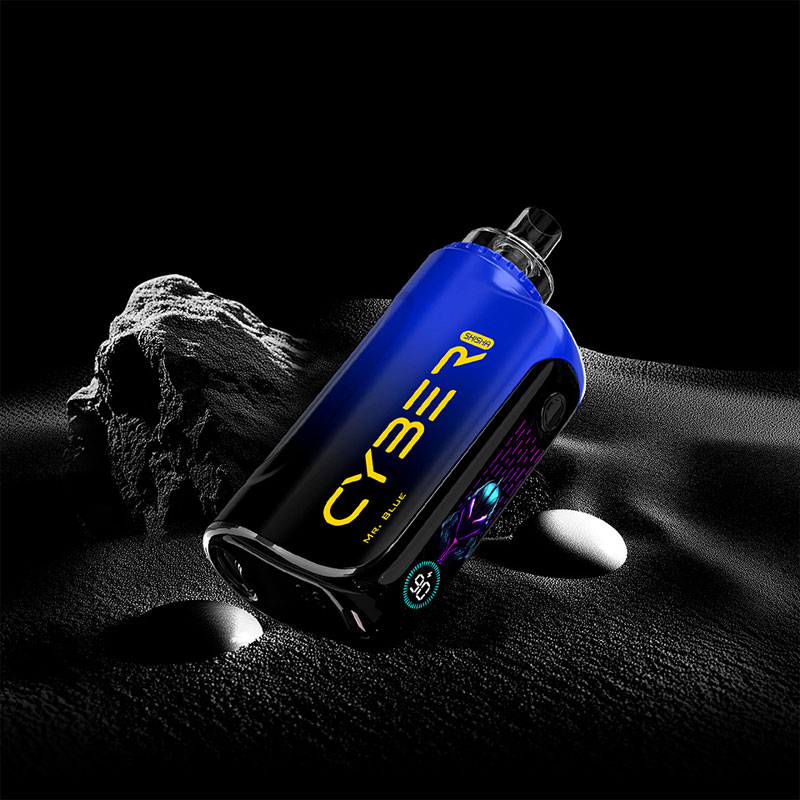
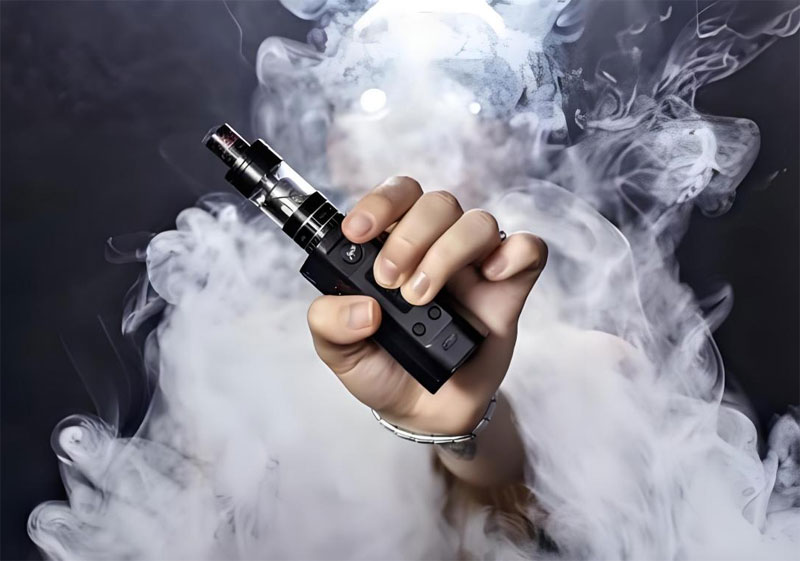
The market offers a range of e-cigarette options. Some resemble conventional cigarettes, while others look more like pens or USB memory sticks. Additionally, there are more advanced models known as mods, which allow users to customize the device, offering variability in terms of temperature, nicotine strength, and flavor.
Health Considerations
While many turn to e-cigarettes as a smoking cessation tool, there are ongoing debates about their long-term health effects. Ensuring users have access to reliable information is essential. Though they are generally considered less harmful than traditional cigarettes, e-cigarettes still contain nicotine, which can be addictive. Moreover, some flavoring agents and chemicals present in the e-liquid raise concerns about potential respiratory issues.
Transitioning from smoking to vaping is seen by many as a step towards reducing health risks associated with tobacco smoke.
Frequently Asked Questions

- Are e-cigarettes safer than traditional cigarettes?
Most experts agree that e-cigarettes are likely safer than conventional cigarettes because they lack many harmful chemicals associated with burning tobacco. However, safety is relative, and they are not risk-free. - Can e-cigarettes help you quit smoking?
While some people find e-cigarettes helpful for quitting smoking, their effectiveness as a cessation aid varies. They are not officially approved for this purpose, and users should seek advice from healthcare professionals. - What flavors are available in e-liquids?
There is a vast array of e-liquid flavors ranging from traditional tobacco and menthol to fruit, dessert, and beverage-inspired options.