The journey into the world of electronic cigarettes began back in 2003, sparked by the inventive mind of a Chinese pharmacist named Hon Lik. Struggling with his own smoking habits, he created this revolutionary device in hopes of offering a less harmful alternative to traditional smoking. Thus, when exploring the origins and impact of these electronic devices, it’s important to understand their inception and evolution.
The Birth of the Electronic Cigarette
The initial concept for the electronic cigarette arose from Hon Lik’s personal desire to quit smoking. His background in pharmacology provided him the scientific foundation needed to develop a new kind of product aimed at delivering nicotine without harmful tar and combusted materials. This inventive step was important in the history of vaping, as it marked the start of a new industry.
The Mechanism Behind the Invention
Understanding when the first electronic cigarette was invented involves appreciating its mechanism. Hon Lik’s device used a piezoelectric ultrasound element to vaporize a pressurized jet of liquid containing nicotine. This method not only mimicked the sensation of smoking but also bypassed the dangers associated with traditional cigarette smoke inhalation.
Expansion and Development
After being invented in 2003, electronic cigarettes were introduced to the Chinese market in 2004 by the company Golden Dragon Holdings, which later became Ruyan, meaning “like smoke.” The product quickly gained popularity and expanded into international markets such as Europe and the United States, thereby starting discussions on the potential of these devices to reduce smoking-related harms.
Technological Advancements
Over time, the initial design of electronic cigarettes evolved significantly. Technological advancements led to various iterations and improvements, including better battery life, diverse flavorings, and precise nicotine delivery. These innovations have made modern electronic cigarettes more effective and appealing to a wide range of users.
Variety and Customization
Today’s electronic cigarette market boasts an abundance of options, catering to different preferences and requirements. Users can select from diverse flavors, adjust nicotine strengths, and opt for various styles and sizes. This customization is a key factor driving the growth and acceptance of e-cigarettes globally.
Impact on Public Health

When exploring the invention of the electronic cigarette, it’s crucial to address its public health implications. Many public health advocates argue that e-cigarettes could play a significant role in reducing tobacco-related diseases and deaths by offering a less harmful alternative. However, the long-term effects are still under study, with ongoing research needed to fully understand the health impacts.
Challenges and Controversies
Despite their potential benefits, electronic cigarettes face significant scrutiny and regulatory challenges. Concerns regarding youth access, potential health risks associated with long-term use, and the quality of e-cigarettes manufactured by some companies have all sparked intense debate. Regulatory bodies worldwide are continuously working to balance innovation with health safety.
Regulation and Safety Measures
Many countries have implemented stringent regulations to ensure the safe use of electronic cigarettes, including age restrictions, quality control, and marketing regulations. These measures are designed to protect consumers while allowing innovation within the industry.
 While the discussion of when was the first electronic cigarette invented
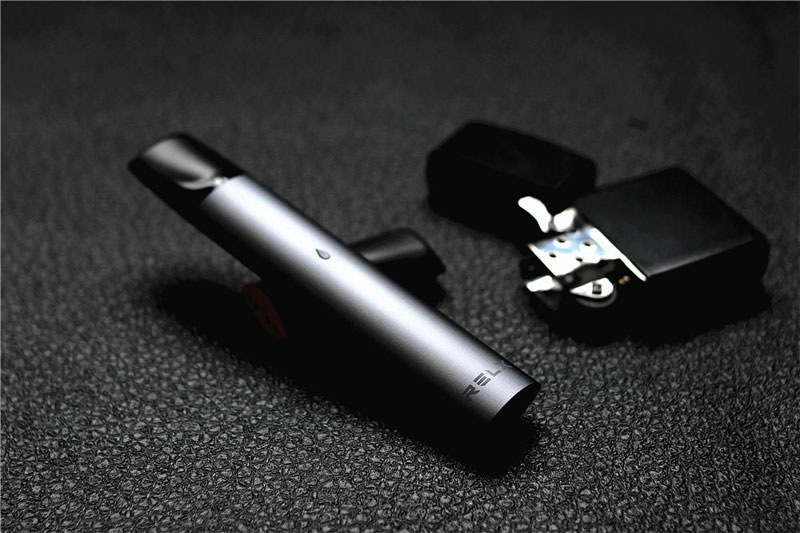 pinpoints 2003 as a key year, the subsequent years of development have played a dramatic role in the current landscape of vaping.
FAQs
- Why did Hon Lik invent the electronic cigarette? Hon Lik developed the electronic cigarette to find a healthier alternative to smoking traditional tobacco and to aid in smoking cessation.
- What are the components of a modern e-cigarette? A typical e-cigarette comprises a battery, an atomizer, and a cartridge or tank that holds the liquid solution containing nicotine and flavorings.
- Are electronic cigarettes regulated? Yes, most countries have regulations in place governing the sale, marketing, and use of electronic cigarettes to ensure consumer safety.