Understanding E-Cigarette Composition
E-cigarettes are battery-powered devices that heat a liquid, referred to as e-liquid or vape juice, to produce an inhalable vapor. While the idea of vaping conjures images of simple water vapor infused with exotic flavors, the composition of this vapor is more complex. The three main components in most e-liquids are propylene glycol (PG), vegetable glycerin (VG), and flavorings. Notably, these liquids often contain nicotine, an addictive substance found in conventional cigarettes.
Exploring Each Component
Propylene Glycol (PG): Common in various food and pharmaceutical products, PG acts as a carrier for flavors in the vape juice. It’s relatively thinner than VG and is responsible for the “throat hit” that ex-smokers crave.
Vegetable Glycerin (VG): Sourced from vegetable oils, VG is thicker than PG and is responsible for producing denser vapor clouds. VG is known for providing a slightly sweet taste to the e-liquid.
Flavorings: The flavorings used in e-liquids are usually food-grade and provide the variety of tastes that make vaping appealing. These flavors range from simple fruit flavors to intricate dessert concoctions.
What About Water?
While the presence of water in e-liquids might seem a given due to the term “vapor,” it typically constitutes a minor component, if present at all. Water’s role is usually minimal, primarily affecting the viscosity of the liquid. Therefore, the concept that e-cigarettes primarily consist of water and flavoring is a misconception.
Debunking Myths: The Nicotine Factor
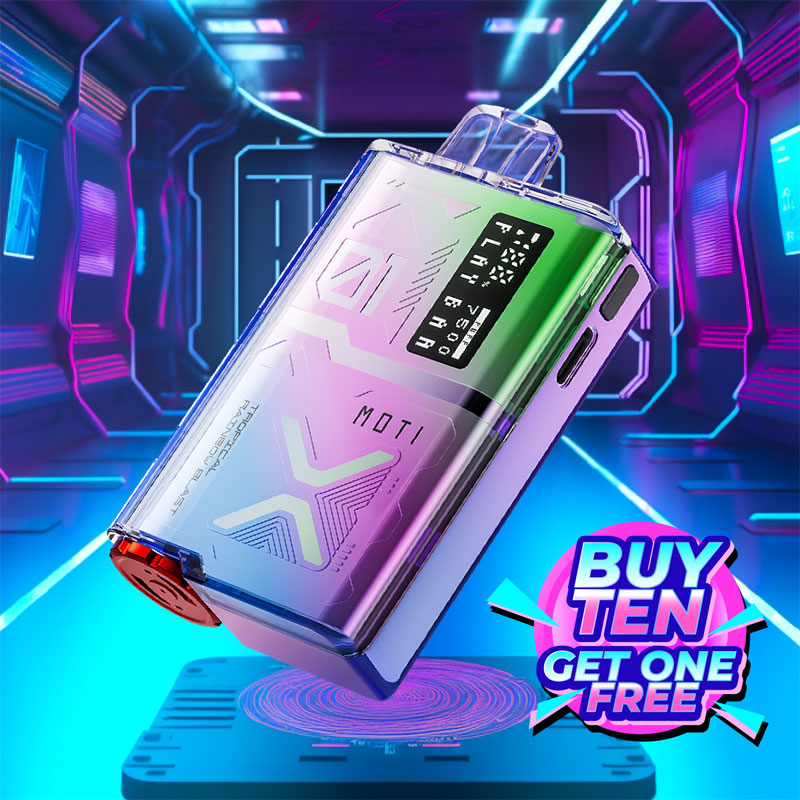
An important factor to note is the nicotine content in many e-cigarette products. Vape liquids often come with varying nicotine levels to accommodate different user preferences. While some users opt for nicotine-free options, many select e-liquids that contain nicotine, allowing them to gradually reduce their consumption over time. The presence of nicotine classifies these products alongside traditional cigarettes regarding their addictive potential, albeit with a different health impact profile.

Potential Health Concerns
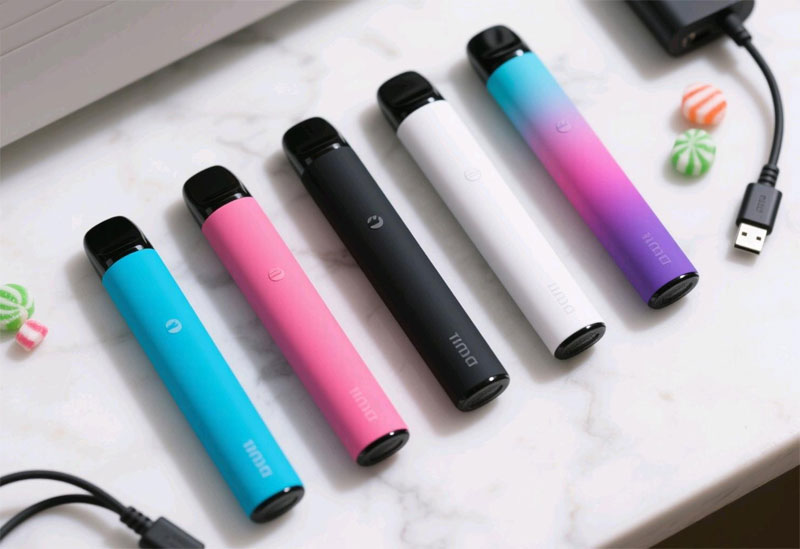
The constituents of e-cigarettes, particularly the flavoring compounds, can behave differently when heated. Some studies suggest that certain flavoring chemicals can undergo chemical changes, potentially resulting in harmful byproducts. However, more research is necessary to conclusively determine the level of risk posed by these products compared to conventional cigarettes.
Conclusion
While e-cigarettes may be marketed as a safer alternative to smoking, their composition extends beyond simple water and flavoring. Understanding these products’ true nature requires examining all components, from PG and VG to nicotine and flavorings, each contributing to the vaping experience and its potential health implications.
FAQs
Q: Are e-cigarettes a safe alternative to smoking?
A: While e-cigarettes are considered less harmful than traditional cigarettes, they are not entirely without risks. Research is ongoing to understand their long-term health effects thoroughly.
Q: Can I use water in my vape device?
A: It’s not advisable as water can damage the device and does not vaporize well, leading to a poor vaping experience.
Q: How can I ensure the safety of my vape product?
A: Look for products from reputable brands and verify their compliance with safety standards.