Understanding the composition of e-cigarettes is crucial for users and policymakers alike. A key component of the conversation is nicotine, a substance known for its addictive properties.
E-cigarettes
typically contain a liquid that includes nicotine, but the concentration can vary widely depending on the brand and product. While traditional cigarettes have a fixed amount of nicotine, e-cigarettes offer flexibility with adjustable levels.
Typically, an e-cigarette device uses a liquid known as e-liquid or vape juice, which is vaporized by an electronic mechanism. Most of these vape juices contain nicotine—however, there are options available for those who prefer nicotine-free versions.
- Nicotine-Free Options
- Range of Nicotine Concentrations
- Understanding Labels and Descriptions
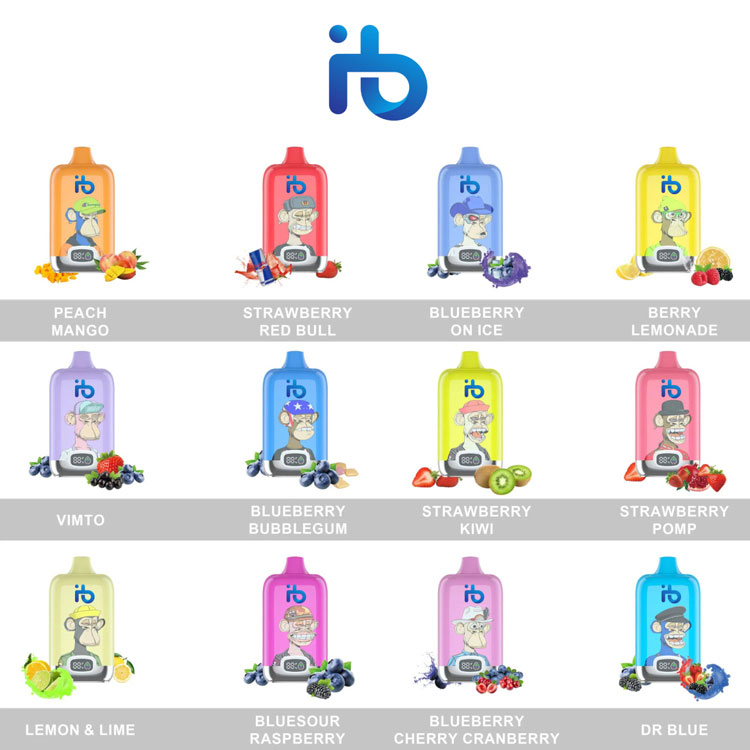
It’s essential for users to understand the labeling on products to make informed choices.
Key terms like “nicotine strength” denote the concentration of nicotine, and e-liquids come in concentrations ranging from zero to upwards of 36mg/mL.
Nicotine’s presence in e-cigarettes is a major reason they are used as smoking cessation tools, offering a less harmful alternative to combustible tobacco.
 Why is nicotine used? It is the addictive component that creates the physical dependency on smoking, making it challenging to quit traditional smoking habits.
Despite the benefits touted by some, health risks associated with nicotine consumption remain. Nicotine can impact cardiovascular health negatively and has other physiological effects.
E-cigarette manufacturers are under scrutiny to ensure that their products are not marketed to underage users, and nicotine content is a cornerstone of such regulations.
Products are categorized and labeled according to guidelines to ensure transparency and safety. The varying concentrations require clear communication to prevent misuse, particularly among younger demographics and individuals looking to quit smoking. Having options with varied nicotine levels allows users to gradually reduce their intake, potentially aiding in smoking cessation.
Q: Can e-cigarettes help in quitting smoking?
A: Many users find e-cigarettes a helpful tool in transitioning away from tobacco due to adjustable nicotine levels.
Q: Are there e-cigarettes without nicotine?
A: Yes, nicotine-free versions are available and can be identified by checking the product label.
Q: What are the health risks of nicotine in e-cigarettes?
A: Nicotine can increase heart rate, elevate blood pressure, and pose other cardiovascular risks.
This flexibility in nicotine consumption aligns with user needs, balancing enjoyment with potential health implications.