The world of vaping, encompassing e-cigarettes and e-liquids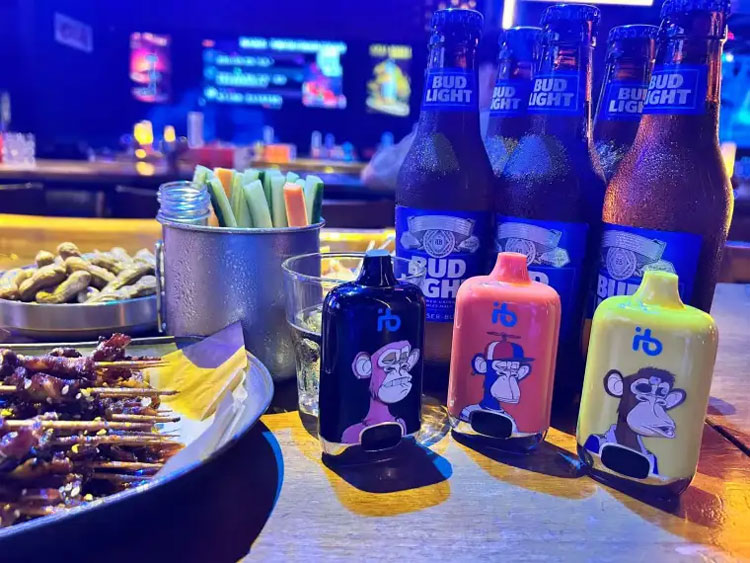 , is surrounded by a myriad of myths that distort public perception. As this industry continues to grow, it’s vital to debunk these misconceptions and provide clarity for both current users and those considering vaping as an alternative to traditional smoking.
Myth #1: E-cigarettes are just as harmful as traditional cigarettes
One of the most pervasive myths is that e-cigarettes are equally dangerous as their combustible counterparts. Research suggests otherwise. E-cigarettes do not burn tobacco, thus eliminating many toxic compounds found in cigarette smoke. While they are not entirely free of risk, they pose significantly fewer dangers to one’s health.
Furthermore, the Public Health England noted that e-cigarettes are estimated to be 95% less harmful than smoking. This assessment highlights the potential of vaping as a smoking cessation tool.
The Myth of ‘Popcorn Lung’
‘Popcorn Lung’, scientifically known as bronchiolitis obliterans, is a severe misconception linked to vaping, primarily due to the presence of diacetyl in some e-liquid flavors. Diacetyl, once used in microwave popcorn, became infamous for causing this condition in factory workers who inhaled large amounts over prolonged periods. In most e-liquids today, diacetyl is virtually non-existent. Regulatory bodies worldwide ensure the safety of e-liquids, making ‘popcorn lung’ from vaping extremely unlikely.
Myth #2: E-cigarettes Don’t Help in Quitting Smoking
Opponents argue that e-cigarettes don’t effectively aid smoking cessation. However, a study published in the New England Journal of Medicine demonstrated that e-cigarettes are nearly twice as effective as other nicotine replacement therapies. While nicotine dependence remains a concern, the ability to gradually lower nicotine concentration in e-liquids offers a viable path to quitting.
Misunderstandings About E-liquid Ingredients
E-liquids are often misunderstood due to their composition. The main ingredients include propylene glycol (PG), vegetable glycerin (VG), nicotine, and flavorings, all of which are carefully regulated. PG and VG have been approved for human consumption and are widely used in food products, ensuring their safety in e-liquids.
Myth #3: Vaping Produces No Harmful Secondhand Effects
While incomparable to cigarette smoke, e-cigarette vapor can contain trace levels of chemicals and nicotine. However, these levels are substantially lower, posing minimal risk to bystanders. The absence of combustion in e-cigarettes significantly reduces the presence of harmful chemicals.
Myth #4: E-cigarettes Can Explode Spontaneously
The image of an e-cigarette suddenly bursting into flames is chilling, yet largely misleading. Such incidents are rare and typically stem from misuse or faulty batteries. Proper usage, adherence to guidelines, and purchasing e-cigarettes from reputable manufacturers can mitigate this risk. Consumers should avoid mixing and matching battery parts which could lead to malfunctions.
Commonly Asked Questions
- Why do some people experience dizziness when vaping?
This is often due to nicotine intake, especially if one is not used to it or is consuming a high-level nicotine e-liquid. Adjusting the nicotine level can resolve this issue.
- Can vaping stain my teeth like smoking?
Unlike cigarettes, vaping doesn’t generally lead to teeth staining, as it doesn’t produce tar. However, some dark-colored e-liquids might cause mild discoloration over time.
- Do e-liquids expire?
Yes, most e-liquids have a shelf life of about one to two years. Changes in color or taste can indicate it’s time to discard them.