The introduction of e-cigarettes to the market has sparked numerous discussions and debates concerning their composition and health implications. A question often raised is, do e-cigarettes contain tobacco? Understanding this is crucial for both users and health professionals. E-cigarettes, or electronic cigarettes, are devices designed to deliver nicotine without burning tobacco. This means the answer is primarily no; e-cigarettes do not contain tobacco in the traditional sense. Instead, they use a liquid solution known as e-liquid or vape juice.
Composition of E-Liquids
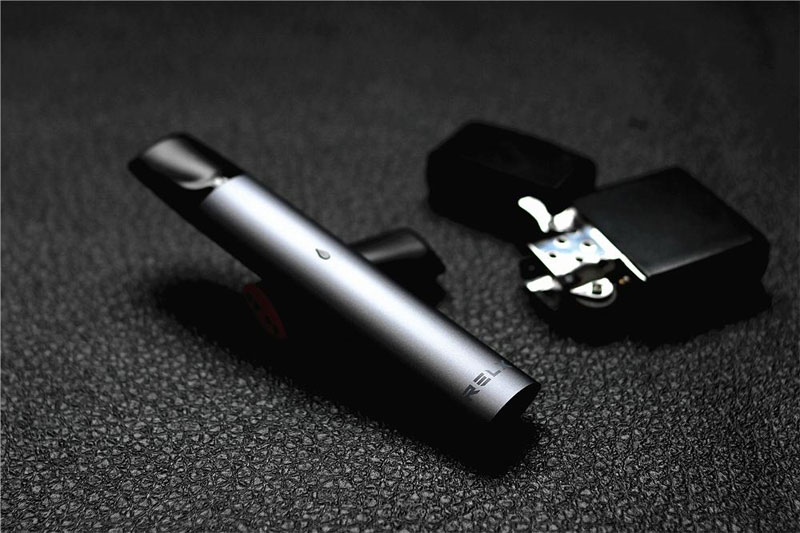 . PG and VG serve as the base for the liquid, determining the consistency and vapor production, respectively. A variety of flavors are added to please the palate of users, ranging from fruity to menthol and beyond.
Nicotine: The Link to Tobacco
Although nicotine has connections to tobacco, its presence in e-cigarettes should not be confused with having tobacco itself. The nicotine used is often extracted from tobacco plants but undergoes a purification process to present it in a concentrated form devoid of other tobacco compounds. Therefore, while e-cigarettes offer nicotine, they do not offer tobacco.
How E-Cigarettes Work
E-cigarettes function by heating the e-liquid to produce an aerosol, commonly referred to as vapor. Users inhale this vapor to get their nicotine fix without the tar, ash, and residual chemicals of burning tobacco. This method reduces the intake of harmful substances found in traditional cigarettes. Hence, one of the significant attractions of e-cigarettes is that they provide a semblance of smoking without exposure to conventional tobacco-related harms.
The Misconception and Its Consequences
Misinformation about whether e-cigarettes contain tobacco can lead to confusion and misinformed decisions. Some believe that because nicotine is extracted from tobacco, e-cigarettes must contain tobacco. However, distinctive differences between the raw tobacco used in cigarettes and the nicotine extract in e-cigarettes underline the variance between the two.
Exploring Alternatives

Although e-cigarettes eliminate most tobacco compounds, they still contain nicotine, which isn’t without its drawbacks. Nicotine is addictive and can have health impacts, especially on teenagers and pregnant women. For those looking to quit nicotine entirely, options such as nicotine-free e-liquids or therapy-based approaches might be more suitable.
Despite e-cigarettes not containing tobacco directly, they are not free from regulations. Many governing bodies impose strict controls on the sale and advertisement of e-cigarettes to ensure that they are marketed responsibly. Transparent labelling and warnings help consumers make informed choices about their use.
FAQs about E-Cigarettes and Tobacco
- Do all e-cigarettes have nicotine? Not necessarily. Some e-liquids offer nicotine-free versions, catering to those who enjoy vaping without the nicotine.
- Are e-cigarettes safer than traditional cigarettes? While e-cigarettes reduce exposure to many harmful substances found in traditional cigarettes, they are not entirely risk-free, particularly due to ongoing studies on long-term effects.
- Can e-cigarettes help in quitting smoking? E-cigarettes can be a part of a smoking cessation strategy, but success often depends on various factors including user commitment and additional supportive measures and counseling.
In conclusion, the question of whether e-cigarettes contain tobacco can be answered clearly: No, they do not contain tobacco in itself. However, the presence of nicotine, a derivative of tobacco, keeps them partially linked. Choosing to use e-cigarettes should be coupled with informed decisions, considering both the benefits and potential risks involved.