E-cigarettes are becoming increasingly popular worldwide, and many are curious about what these devices contain. Despite the fact that they are used as an alternative to traditional smoking, e-cigarettes come with their own set of ingredients, and it’s essential to delve into what comprises these electronic devices. By understanding e-cigarettes’ components, users can make more informed decisions. The primary element in e-cigarettes is the e-liquid, or vape juice, which serves vapor creation purposes.
Core Ingredients of E-Liquid
E-liquids typically contain at least four essential ingredients. These ingredients work together to create the vapor inhaled by users, and they include:
- Nicotine: Known as the addictive substance in traditional cigarettes, nicotine in e-liquids varies in concentrations, allowing users to choose lower or nicotine-free options.
- Propylene Glycol (PG): A colorless and odorless liquid that serves as a carrier for flavors and nicotine, also helping produce the ‘hit’ sensation in the throat.
- Vegetable Glycerin (VG): A thicker substance that generates vapor clouds upon heating, VG is often combined with PG for desired consistency.
- Flavorings: A wide range of both natural and artificial flavors allows e-liquid manufacturers to cater to various taste preferences, be it fruity, sweet, or tobacco-like.

Optional Additives
While the listed ingredients are central, there are optional additives that may be present: distilled water or alcohol can be added to adjust the consistency, or menthol can be included for cooling effects.
Understanding the Heating Process
To generate vapor, e-cigarettes use a mechanism that heats e-liquid at controlled temperatures. The device typically contains a coil and a battery-induced power source that helps create vapor without burning. This controlled heating is what differentiates vapors from smoke, aiming to reduce harmful combustion byproducts. Safety and Health Considerations Shifting from traditional smoking to e-cigarettes is popular due to perceived harm reduction. However, it’s crucial to remember that e-cigarettes still deliver nicotine and may lead to addiction. The absence of tar and smoke is a benefit, but research continues to explore long-term health impacts. Furthermore, the aerosol inhaled may contain harmful chemicals like formaldehyde and heavy metals. Risks and Concerns The growing trend does raise questions regarding lung health and cardiovascular risks related to vaping. Users should weigh potential benefits versus risks and consider devices with regulated temperature control to minimize exposure to harmful substances.
FAQs
 Are e-cigarettes safer than traditional smoking?
E-cigarettes are considered less harmful than traditional cigarettes since they lack tar and combusted pollutants. Yet, they carry health risks due to nicotine and certain chemicals present in the vapor.
Can e-cigarettes help quit smoking?
While some use e-cigarettes as part of smoking cessation plans, not all individuals find this method effective. Professional guidance is recommended when attempting to quit smoking.
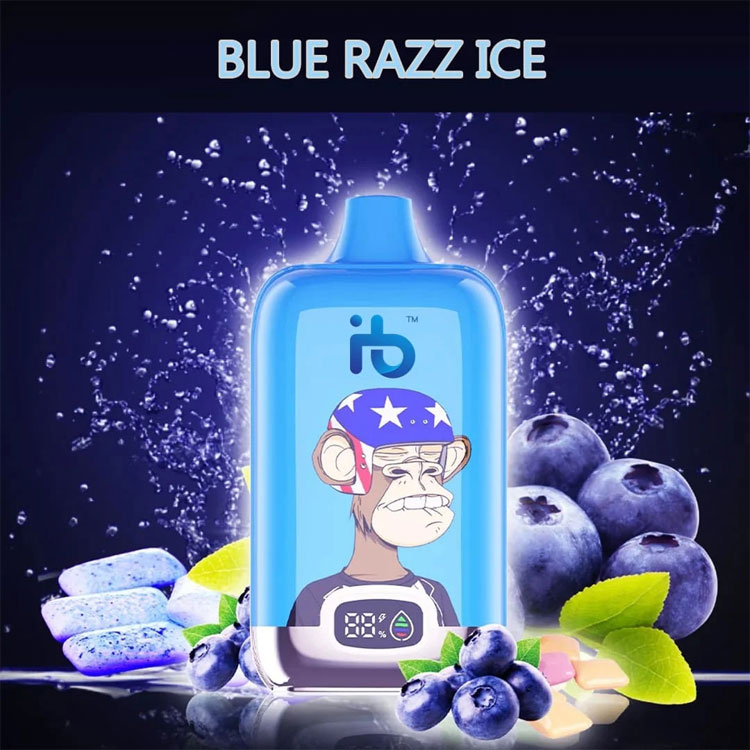
What are flavored e-liquids?
Flavored e-liquids range widely, providing taste alternatives to simple tobacco flavoring, including fruity and dessert-like options.
Making well-informed choices about e-cigarettes requires an understanding of what goes into these devices and the associated health effects. By gaining more insights, users can better navigate the world of vaping and make decisions that align with their health priorities.