Innovative Trends in E-Cigarette Vaping
 The vaping market is witnessing a surge in new products, driven by consumer demand for variety and improved vaping experiences. Companies are introducing devices that offer adjustable settings, enhanced battery life, and more eco-friendly designs. The trend of personalized vaping experiences is escalating, with users seeking devices that cater specifically to their preferences, such as flavor and nicotine strength.
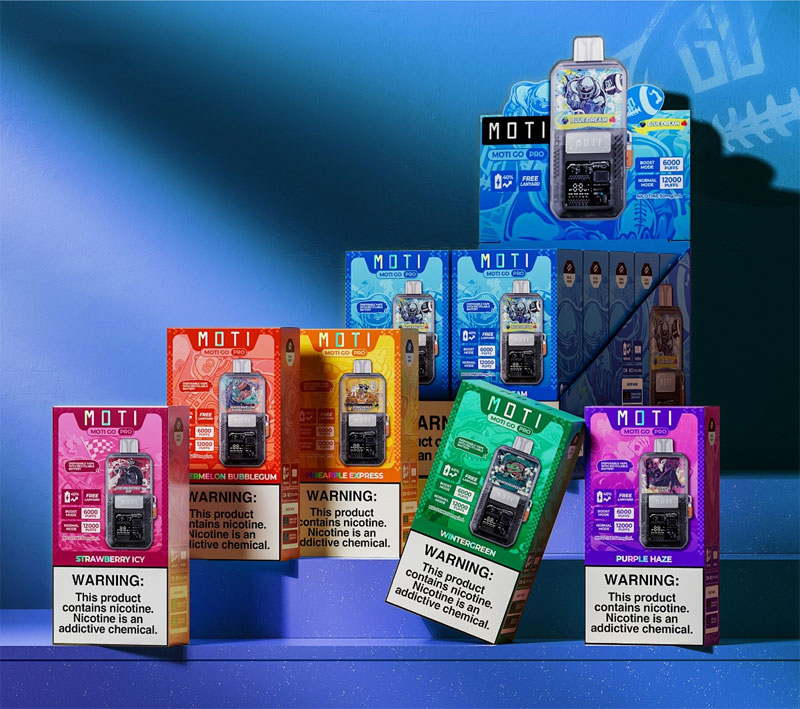
Moreover, disposable e-cigarettes are gaining popularity due to their convenience and user-friendliness. These devices are particularly appealing to newcomers to vaping as well as seasoned users looking for hassle-free alternatives. Manufacturers are innovating with biodegradable materials to address environmental concerns, aligning with global sustainability goals.
Regulatory Developments Worldwide
 With the global expansion of vaping, countries are reassessing regulations to ensure consumer safety and to control the rise of youth vaping. In the United States, the FDA continues to scrutinize new products entering the market, emphasizing scientific data on safety and health impacts. Meanwhile, in Europe, there is an ongoing discussion on harmonizing regulations across member states to streamline legislation and enforcement.
Other regions like Asia and the Middle East are seeing varied approaches: some are tightening restrictions, while others are opening up markets with stringent safety protocols. These differing regulatory landscapes significantly affect the availability and acceptance of vaping products, impacting market dynamics and consumer choice.
Health Concerns and Advances in Research
While vaping is often marketed as a less harmful alternative to traditional smoking, health concerns persist. Research in 2025 focuses on the long-term health effects of vaping, with scientists exploring the impact of nicotine and other chemicals on users’ health. Ongoing studies aim to provide more definitive answers, which could influence future regulations and consumer perceptions.
- Researchers are particularly interested in the effects of vaping on young adults, an age group that constitutes a significant portion of the vaping population.
- Public health campaigns are leveraging research findings to educate users and promote safer vaping practices.

In response to health concerns, many companies are developing nicotine-free options and advancing technologies that minimize potential health risks. The integration of artificial intelligence in vaping devices aims to track user habits and provide personalized health tips.
Frequently Asked Questions
Q: Are e-cigarettes safer than traditional cigarettes?
A: While e-cigarettes are often seen as safer than traditional cigarettes, they are not risk-free. The long-term effects are still under study, though they are generally believed to contain fewer harmful substances.
Q: What is the legal age for vaping in most countries?
A: The legal age for vaping varies, often ranging from 18 to 21 years old, depending on national laws and regulations.
Q: How does vaping impact the environment?
A: Traditional vaping products can contribute to environmental waste, but manufacturers are now exploring biodegradable materials to address these concerns.