Understanding the Basics of E-Cigarettes
E-cigarettes, often termed electronic nicotine delivery systems (ENDS), are devices that mimic the experience of smoking. The composition of e-cigarettes includes a variety of elements designed to deliver nicotine in a vaporized form.
At the core of every e-cigarette, there is a battery-powered atomizer. This atomizer heats the liquid solution, known as e-liquid or vape juice, transforming it into an inhalable vapor.
The E-Liquid Composition
E-liquids are a pivotal part of what comprises e-cigarettes. Typically, the substance contains a base of propylene glycol and vegetable glycerin. These compounds act as carriers for nicotine and flavors. The proportions of propylene glycol (PG) and vegetable glycerin (VG) can vary, affecting the throat hit and vapor production.

Flavors and Nicotine
The flavorings in e-liquids play a significant role in the vaping experience. From fruity to minty, these additives provide varied tastes that appeal to different users. Alongside flavors, nicotine levels are adjustable, allowing users to select concentrations that match their preferences.
Additional Substances Found in E-Cigarettes
Beyond PG, VG, flavors, and nicotine, e-liquids may contain additives such as water, alcohol, and sweeteners. However, it is crucial to acknowledge some health-related concerns surrounding specific components. For instance, diacetyl, a flavoring agent linked to respiratory issues, has garnered significant attention.
The evolving landscape of e-cigarettes continues to generate discussions around safety and regulation as new findings emerge.
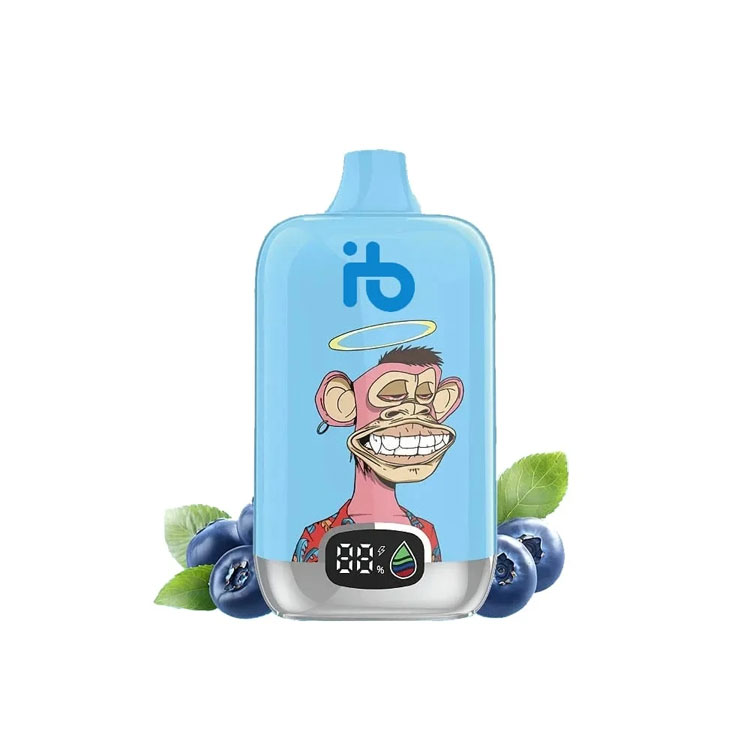
Regulation and Health Concerns
As the popularity of e-cigarettes rises, so does the scrutiny of their ingredients. While traditional smoking is widely acknowledged for its health implications, e-cigarettes present unique challenges for regulation and research. Health organizations are closely examining the long-term effects of inhaling these substances, leading to evolving policies aimed at consumer safety.
Frequently Asked Questions
- What are the primary components of an e-cigarette?
- An e-cigarette typically comprises an atomizer, battery, and cartridge or tank containing e-liquid. The e-liquid consists primarily of propylene glycol, vegetable glycerin, flavors, and nicotine.
- How does the composition impact the vaping experience?
- The ratios of PG and VG affect vapor production and throat sensation, while flavoring variations cater to personal taste preferences.
- Are there any health risks associated with e-cigarettes?
- While e-cigarettes are considered less harmful than smoking, they may still pose health risks, particularly from certain additives like diacetyl.
In summary, understanding what is in e cigarettes involves recognizing the diverse components that create the vaping experience, alongside the ongoing discourse around health implications and regulatory measures. Continued research is essential in unveiling the full effects of these substances on human health.