
 Utah’s decision to enact a flavored e-cigarette ban in 2024 has been making headlines. The legislation, known for targeting flavored tobacco products, is designed to curb teen vaping rates and improve general public health. While supporters hail this move as a progressive step towards better health, opponents argue it could unintentionally push consumers toward unregulated sources.
Understanding the Ban’s Core Objectives
At its heart, the flavored e-cigarette prohibition aims to address the alarming vaping trends among Utah’s youth. Statistics reveal that flavored variants of e-cigarettes are particularly appealing to younger audiences. By eliminating these, lawmakers hope to dissuade initiation into nicotine habits. Additionally, the legislation provides ground for broader tobacco control efforts, indirectly contributing to healthier communities.
Economic Implications for Local Businesses
The ban’s economic ripple effect is another critical dimension to consider. For local vape shops that rely heavily on flavored products, the legislation presents a significant business challenge. These enterprises must adapt by diversifying offerings or pivoting towards adult smoking cessation aids. Although there may be short-term financial strain, potentially, there could be long-term gains if they tap into a growing market for smoking alternatives devoid of flavors. Indeed, merchants may seek to expand their reach by promoting devices specifically designed to aid in quitting traditional smoking.
From a health standpoint, the ban’s potential to reduce teen addiction is significant. Flavored e-cigarettes have been identified as a gateway to habitual smoking, with flavors masking the harshness of tobacco. Public health advocates support the measure citing numerous studies drawing direct correlations between e-cigarette use and health complications. On the flip side, some health experts worry over the potential rise in illicit market transactions that could lead to consumption of unregulated and potentially more harmful substances. Navigating these complexities will be essential in mitigating unintended consequences.
- Potential decline in youth nicotine addiction
- Reduction in smoking-related healthcare costs
- Possible surge in illicit trade practices

Legal and Social Ramifications
Implementing such a ban also raises legal and social questions. Enforcement will require robust mechanisms, recognizing that simply banning flavors doesn’t eliminate the broader issue of nicotine addiction. Learn more about legal strategies states can employ to strengthen this initiative. Socially, there’s a dialogue around personal freedom and choice, with individuals querying the extent to which the government should control consumer options.
“This isn’t just about flavors; it’s about regulatory balance and the protection of vulnerable groups,” asserts Dr. Alex Stanford, a public health expert.
To address these complexities, Utah’s government might consider parallel public education campaigns to accompany the ban, focusing on the harms of nicotine. Provisions for cessation support services could bolster the ban’s success, providing resources to those seeking to quit nicotine for good.
Will the 2024 E-Cigarette Ban Set a Precedent?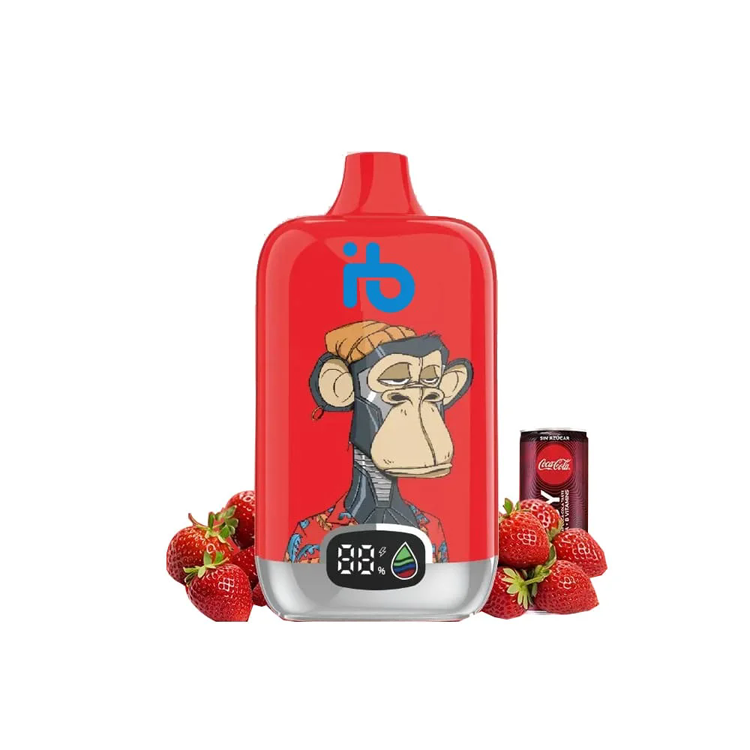
Utah’s flavored e-cigarette ban might be a harbinger for other states contemplating similar measures. Its effectiveness will likely be scrutinized nationwide, offering a potential blueprint for combating e-cigarette usage among minors.