Impact on Youth
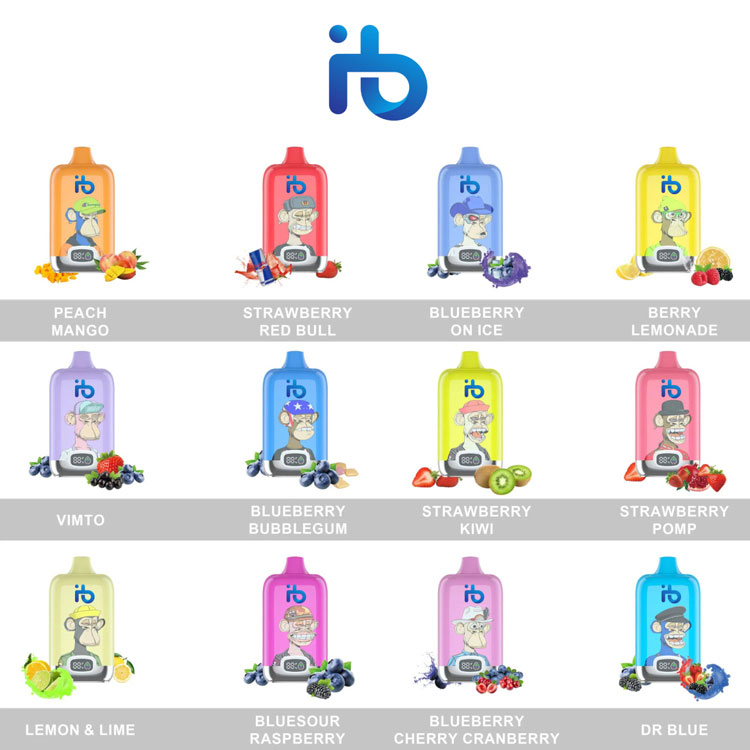
A significant concern is the attraction of young individuals to e-cigarettes. The appealing flavors make them particularly enticing, potentially leading to nicotine dependence and acting as a gateway to traditional tobacco products. Schools have reported cases of increased usage among students, prompting calls for stricter regulations. Opponents of e-cigarettes argue that their availability undermines efforts to curb tobacco usage among youth. Safety and Regulation Governments around the globe are wrestling with the dilemma of regulating e-cigarettes to ensure user safety while not discouraging those seeking an alternative to quit smoking. Some countries have decided to enact partial bans or stringent regulations, requiring health warnings and limiting sales to minors.
Should governments focus on educating the public about the risks rather than banning the product outright? Education campaigns could stress the potential dangers, enabling consumers to make informed decisions.
The argument extends to economic aspects as well. The e-cigarette industry has grown into a multi-billion-dollar sector, providing employment and generating tax revenues. Some view bans as economically detrimental, potentially leading to loss of jobs and decreased government tax income. Sustainable Alternatives Advocates for e-cigarettes suggest emphasizing the development of safer alternatives and technologies. Encouraging research and innovation could mitigate health risks, offering individuals reliable cessation tools. It’s essential for policymakers to weigh health impacts against economic implications. Balancing public health with individual freedom is at the core of this discussion.
FAQs
- What are the health hazards associated with e-cigarettes? E-cigarettes contain nicotine, which is addictive and poses health risks like increased heart rate. They also expose users to potentially toxic chemicals.
- Are there safer alternatives to e-cigarettes?
 Research is ongoing to innovate safer cessation methods, but currently, nicotine replacement therapies offer a less hazardous option compared to vaping.
 - How has the government responded to e-cigarette concerns? Responses vary; some countries have implemented regulations, while others focus on public education campaigns addressing the risks involved.


Whether government actions will lean towards a ban or a balanced approach remains an open question, influenced by evolving research and public sentiment. The debate highlights the need for holistic strategies in addressing modern nicotine use.