Electronic cigarettes, commonly referred to as e-cigarettes, have surged in popularity as an alternative to traditional smoking. These devices promise a smoke-free experience, but they bring a host of questions about e-cigarettes ingredients and what users are actually inhaling. Understanding the components used in e-cigarettes is crucial for both smokers looking to switch and non-smokers concerned about health implications.
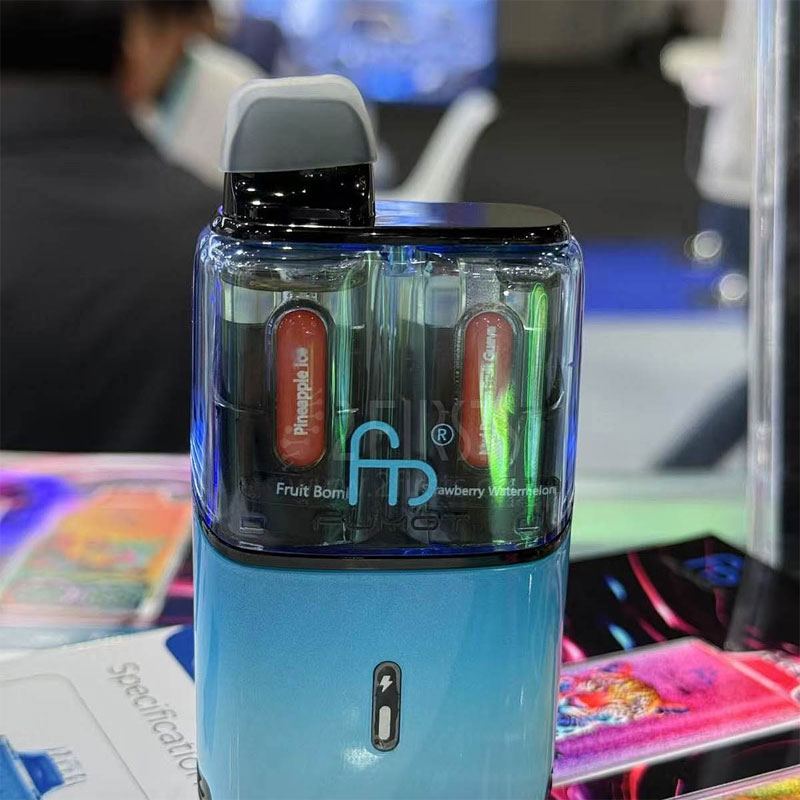
The primary component in e-cigarettes is the e-liquid, also known as vape juice or e-juice. This liquid is vaporized by the e-cigarette device to produce the inhalable aerosol. The main ingredients in this e-liquid typically include propylene glycol, vegetable glycerin, flavorings, and nicotine, although it’s noteworthy that some e-liquids may be nicotine-free. A closer look at each ingredient offers insights into their roles and safety.
Propylene Glycol and Vegetable Glycerin

The base of most e-liquids is a combination of propylene glycol (PG) and vegetable glycerin (VG). These two substances are responsible for creating the vapor and carrying the flavoring and nicotine. PG is a colorless, odorless liquid that has been used in various food and pharmaceutical products for decades. It’s known for its ability to produce throat hit that smokers crave. Meanwhile, VG is a thicker, sweet-tasting liquid derived from plant oils. It contributes to the vapor’s thickness or “cloud” and adds a touch of sweetness to the flavor.
Flavorings
Another crucial component of e-cigarette liquid is the flavor. E-liquids come in a myriad of flavors, ranging from tobacco to fruits, menthol, desserts, and more. These flavors are created using food-grade flavorings approved by food safety authorities for ingestion. However, some concerns have been raised about the safety of inhaling these compounds, as not all flavoring agents have been evaluated for inhalation.
Nicotine
Of significant concern to many is the presence of nicotine in e-cigarettes. Nicotine is a highly addictive substance that originally comes from tobacco. While e-liquids vary in nicotine concentration, often ranging from zero to high levels, it’s important to note that nicotine itself is not directly responsible for the tar and many other toxic substances found in traditional cigarettes. However, nicotine addiction remains a major concern for health officials.
Additional Chemicals and Additives
Aside from the main ingredients, e-cigarettes may contain a variety of other chemicals. These can include acetaldehyde, acrolein, and even trace amounts of metals like nickel and tin from the device itself. While these components are generally present in lower amounts compared to traditional cigarettes, their long-term health effects are not yet fully understood.
Safety and Regulations
The safety of e-cigarette ingredients has been a subject of intense research and debate. Regulatory agencies in many countries are working to establish standards and controls for the manufacturing and marketing of e-cigarettes. Users should look for products from reputable manufacturers who provide transparent ingredient lists and adhere to regulatory guidelines.
FAQ: Understanding E-Cigarettes
Q1: Can e-cigarettes help quit smoking?
A1: While some people use e-cigarettes to help them quit smoking, their effectiveness is still debated. Consulting with a healthcare provider is recommended for those looking to quit smoking.
Q2: Are e-cigarette flavors safe?
A2: Flavors in e-cigarettes are generally food-grade, but the safety of inhaling them is not well understood. Ongoing research aims to shed light on their long-term effects.
Q3: Do all e-cigarettes contain nicotine?
A3: Not all e-cigarettes contain nicotine. Users can choose nicotine-free e-liquids, but those looking to reduce nicotine dependence should do so cautiously and gradually.