Electronic cigarettes, commonly known as e-cigarettes, have surged in popularity as an alternative to traditional smoking. But what are the mysterious chemicals lurking in these modern devices? Understanding the components within e-cigarettes is vital for users and those curious about their potential impact on health.
The Composition of E-liquids
E-liquids are the substances vaporized in e-cigarettes. They typically contain a mixture of nicotine, flavorings, and base liquids like propylene glycol (PG) and vegetable glycerin (VG).
- Nicotine: The addictive substance found in tobacco.
- Propylene Glycol: A colorless liquid commonly used as a carrier fluid for flavors and nicotine.
- Vegetable Glycerin: A thicker liquid that produces vapor when heated.
- Flavorings: Various food-grade additives used to create specific tastes.
Additives and Chemicals
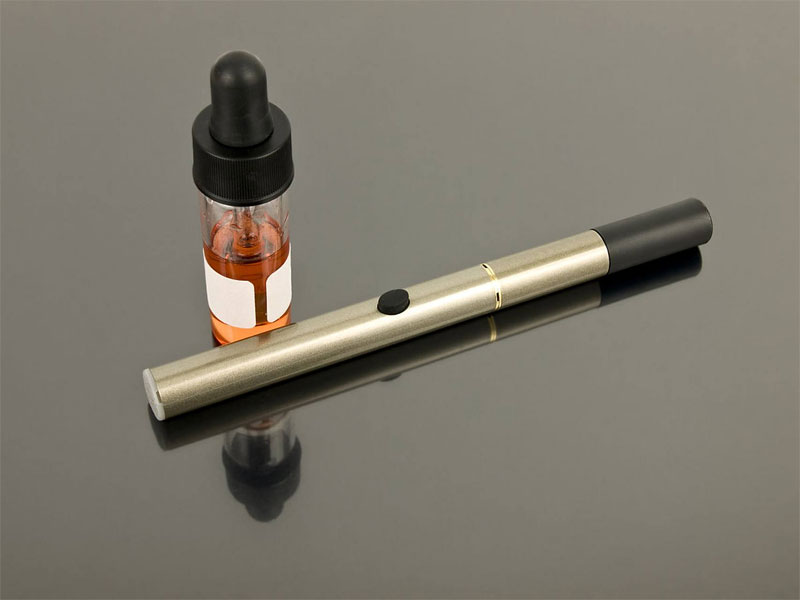
Aside from the core components, e-liquids can contain numerous additives and chemicals that vary by brand and flavor. These additional substances can have varying implications on health, particularly with prolonged use.
Common Additives
- Diacetyl: Used for buttery flavors, potentially harmful to the lungs.
- Acetyl Propionyl: A substitute for diacetyl with similar risks.
- Formaldehyde:
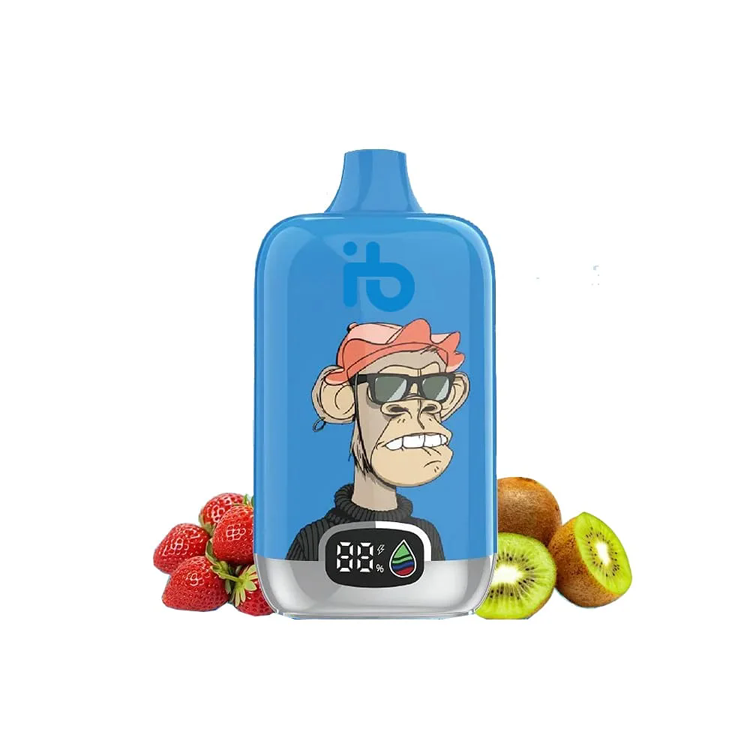 A byproduct formed during vaporization, linked to respiratory issues.
The Heating Element and Coil
The heating coil in e-cigarettes can produce additional elements when heated, including potentially harmful metals. Some studies have found traces of lead, nickel, and chromium in vapor, contributing to concerns about long-term health effects.
Health Implications
The presence of these chemicals in e-cigarettes has sparked debates about their safety compared to conventional smoking. While e-cigarettes eliminate many of the harmful byproducts of burning tobacco, they introduce a new range of compounds that warrant caution. Regulatory bodies continue to study e-cigarettes to better understand their impact.
Safeguarding Yourself
For users, selecting quality products from reputable manufacturers is crucial. Ensuring transparent labeling listing all ingredients assists in making informed decisions.
Frequently Asked Questions
What is the safest e-liquid base?
Both propylene glycol and vegetable glycerin are considered safe for consumption but should be monitored for personal tolerance levels. Allergies to PG can prompt users to opt for higher VG ratios.
Can e-cigarettes cause cancer?
While research is ongoing, some chemicals in the vapor may contribute to cancer risk, though generally considered lower than traditional cigarettes.
How can I minimize risks?
Choosing e-liquids with fewer additives and understanding product labeling can reduce exposure to potentially harmful substances.