Understanding the Composition of E-Cigarettes: Myth vs Reality
E-cigarettes have taken the world by storm, marketed as a safer alternative to traditional smoking. However, there are numerous myths floating around about what exactly they contain. A pervasive myth is that most e-cigarettes contain only water and flavoring. The reality is more complex, involving a diverse mix of chemicals. This article unravels this myth and sheds light on the true components of your vape.
The myth that e-cigarettes contain only water and flavoring stems from a misunderstanding of how these devices work. While e-cigarettes do contain flavorings, they are primarily composed of a mixture known as e-liquid or vape juice, which includes nicotine, propylene glycol (PG), vegetable glycerin (VG), and various flavoring agents. Notably, some e-liquids are available without nicotine to cater to different preferences.
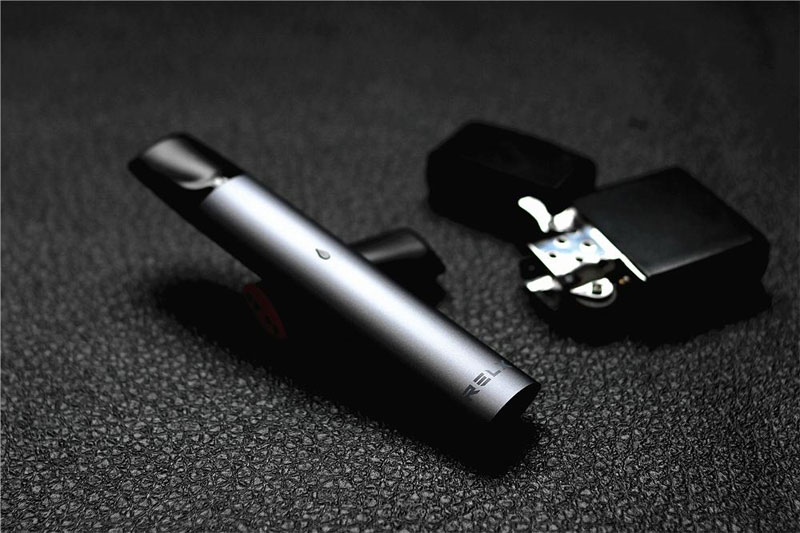
The Role of Nicotine
Nicotine is a crucial component of most e-liquids. It is the compound that typically results in addiction. In e-cigarettes, nicotine levels can vary to accommodate beginner to advanced users, offering a customizable nicotine delivery system. However, it’s important to understand that vaping nicotine is not without its risks, including dependence and potential health implications, though it is often considered less harmful than smoking traditional cigarettes.
Propylene Glycol and Vegetable Glycerin
PG and VG are the primary base substances found in e-liquids. These ingredients serve different purposes: PG provides a throat hit similar to smoking tobacco, and VG is responsible for the cloud production that many users enjoy. Both substances are generally recognized as safe for consumption in food and pharmaceuticals. However, when vaporized and inhaled, the long-term effects are still under scientific scrutiny.
Flavoring Agents
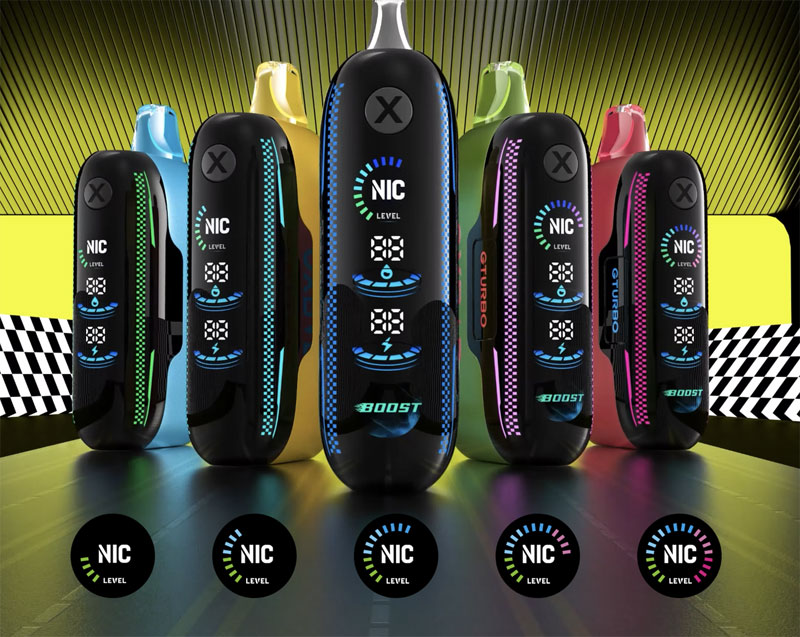
Flavorings in e-cigarettes are a significant draw for many users. These can range from tobacco and menthol to fruity and dessert themes. The FDA manages some of these flavors, yet others carry potential risks when heated and inhaled, as not all food-grade flavorings are safe for vaping.
Are E-Cigarettes Safer?
Compared to traditional smoking, e-cigarettes are usually described as less harmful. This belief arises from the absence of combustion and tar, substances known to cause cancer and other health issues in cigarette smoke. However, “safer” is not synonymous with “safe.” Vaping still poses health risks, particularly with oils, chemical compounds, and nicotine additives that can vary between products.
The Importance of Accurate Information
Misconceptions about e-cigarettes can lead to improper use and unexpected health issues. It’s crucial for consumers to seek accurate information, understand the components of their vapes, and be aware of legislative standards that govern these products. By debunking myths and promoting factual insights, users can make informed decisions about their health and habits.
Frequently Asked Questions
- Q: Do all e-cigarettes contain nicotine?
A: Not necessarily. While many e-liquids contain nicotine, there are options available that are nicotine-free. - Q: Are the flavorings in e-cigarettes harmful?
A: Some flavorings are safe for consumption but may not be safe to inhale. Users should be cautious and stay informed about the potential risks of certain flavored e-liquids. - Q: Can vaping help smokers quit?
A: Some use e-cigarettes as a smoking cessation tool. However, it’s important to approach this method carefully and ideally under professional guidance, as vaping itself can become habit-forming.