As the popularity of electronic cigarettes continues to rise, understanding their basic structure provides insights into how these devices operate. The design intricacies of an electronic cigarette structure are central to their function, efficiency, and user experience.
Understanding the Components
The typical electronic cigarette is composed of a few essential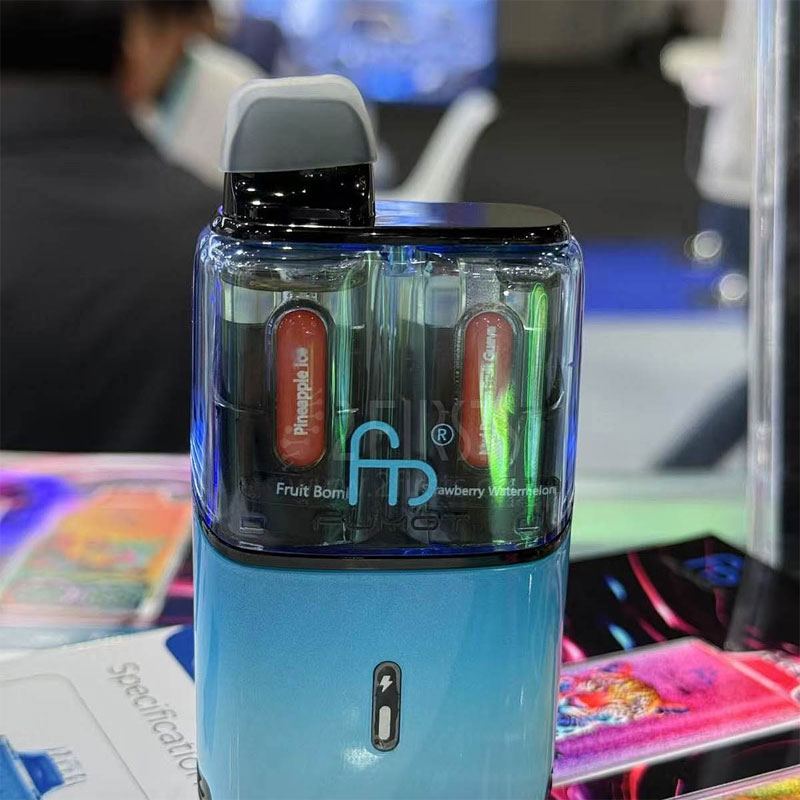 parts. These include a battery, an atomizer, a cartridge or tank for the e-liquid, and often a mouthpiece. The battery serves as the power source, igniting the atomizer, which then heats the e-liquid to produce vapor. This vapor is inhaled by the user, simulating the sensation of smoking without the harmful effects of combustion found in traditional cigarettes.
Battery: The Powerhouse
The battery is a critical component of the electronic cigarette structure . Typically, they are rechargeable, allowing for multiple uses and longer device life. Some are built into the device, while others are removable.
The quality and capacity of the battery can significantly affect the performance and lifespan of the e-cigarette.
The Atomizer: Heart of the Device
Arguably the most crucial part of the electronic cigarette, the atomizer is responsible for converting the e-liquid into vapor. It includes a heating coil and a wick. Some advanced models come with replaceable coils and adjustable wattage settings to customize the vaping experience.

Cartridge or Tank
The e-liquid reservoir, known as the cartridge or tank, holds the e-liquid. Electronic cigarettes offer different capacities from small, single-use cartridges to large, refillable tanks. This component determines how long the user can vape before needing a refill.

Some designs even incorporate advanced features like adjustable airflow and leak-proof seals to enhance user satisfaction.
Innovations in Electronic Cigarette Design
Modern electronic cigarette designs have advanced significantly from their early iterations. With technology focusing on user safety and customization, there have been notable developments such as temperature control, smart technology integration, and enhanced safety features to prevent malfunctions.
Temperature Control
One key innovation is the incorporation of temperature control features. This allows users to set a maximum temperature for their atomizer, preventing dry hits and ensuring consistency in vapor production, which is crucial for safety and overall vaping satisfaction.
Smart Technology Integration
Newer models often include Bluetooth connectivity, allowing users to track usage patterns, monitor performance metrics, and even control settings directly through an app on their smartphone, providing a highly personalized vaping experience.
These innovations underline the commitment of manufacturers to refine the electronic cigarette structure further, making it safer and more enjoyable for consumers.
FAQs About Electronic Cigarette Structure
- What is the purpose of the wick in an atomizer? The wick in an atomizer serves to absorb e-liquid and bring it into contact with the heating coil, facilitating vaporization.
- How long does a typical e-cigarette battery last? The lifespan of an e-cigarette battery varies but generally lasts several hundred charging cycles depending on use and maintenance.
- Are there environmental concerns with e-cigarette structures? While e-cigarettes are considered more environmentally friendly compared to traditional cigarettes, proper disposal of batteries and cartridges is essential to reduce environmental impact.