Global E-Cigarette Bans
Various countries have implemented bans on certain e-cigarette products for different reasons. In the United States, flavored e-cigarettes have come under scrutiny due to their appeal to younger demographics. As such, the FDA has enforced bans on specific flavors to curb underage vaping. Other countries, like Brazil and India, have enacted more comprehensive bans, prohibiting the sale, import, and advertising of e-cigarettes altogether.
Categorizing E-Cigarette Bans
 E-cigarette restrictions can be categorized into several types, each targeting different aspects of the product lifecycle. These include:
- Flavor Bans: To deter youth consumption, certain flavors are banned in various regions. For instance, in the U.S., the FDA restricts flavors that could attract minors.
- Specific Product Bans: Some bans target specific devices, especially those with high nicotine concentrations or certain delivery mechanisms.
- Industry-Wide Bans: Several countries, such as India, have outright banned the entire industry related to e-cigarettes.
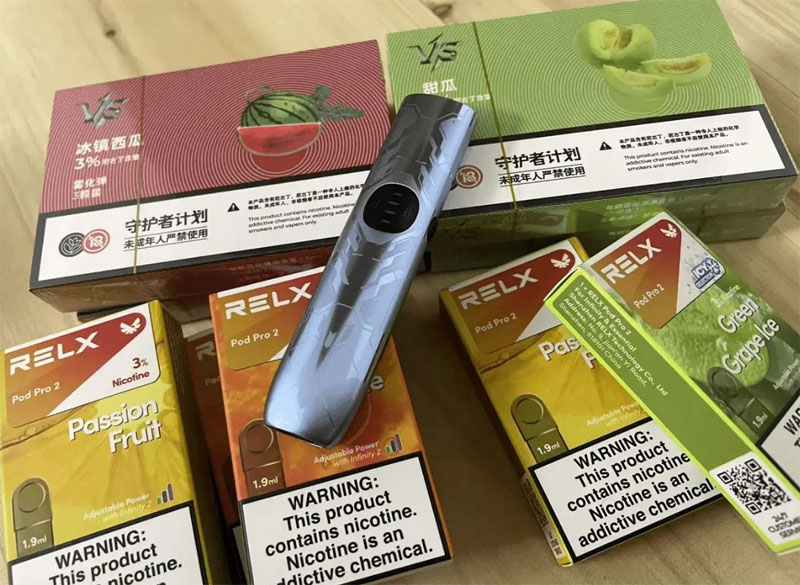
Rationale Behind E-Cigarette Bans
The primary motivation for implementing e-cigarette bans globally is the health and safety of the public. Studies suggest that certain products may pose health risks, particularly to young users. E-cigarettes are often marketed as a safer alternative to smoking, but concerns remain about their long-term effects. Governments aim to regulate or ban these products to minimize potential harm.
For example, flavor bans are primarily driven by the alarming rates of teenage vaping. Sweet and fruity flavors, which are particularly enticing to younger audiences, come under fire for contributing to the increased usage among adolescents. By implementing these bans, authorities intend to reduce the allure and accessibility of vaping products to minors.
The Impact on the Vaping Industry
Regulations and bans have significant implications for the e-cigarette industry. For manufacturers, it means altering product lines to comply with local laws. Retailers face the challenge of staying updated on the legal status of products they offer. For consumers, it affects availability and choice, forcing them to rethink their options.
- Manufacturers: Companies must stay agile, frequently reassessing their product offerings to ensure compliance. This includes altering marketing strategies and reformulating products to fit legal criteria.
- Retailers: Staying informed about changes in policies is crucial. Retailers have to regularly update their inventory and may even face financial losses when stock becomes illegal overnight.
- Consumers: Product availability can vary widely depending on the local laws. Consumers need to be aware of what is legal in their area to avoid penalties.
Looking to the Future
The future of e-cigarette regulation is still uncertain, with many experts predicting further restrictions. As research continues, more data will likely influence stricter guidelines aimed at safeguarding public health. Collaborative efforts between governments, health organizations, and the industry are vital to creating balanced policies.
FAQs on E-Cigarette Bans
Q: Why are some e-cigarette flavors banned and not others?
A: Flavors that appeal particularly to young demographics, such as candy or fruit, are often targeted to reduce underage vaping.
Q: Are all e-cigarettes banned in countries like India?
A: Yes, countries like India have instituted comprehensive bans, prohibiting the manufacture, sale, and import of all e-cigarette products.
Q: How can I find out if my e-cigarette is legal in my area?
A: It’s best to consult local government publications or official websites that detail current regulations for the most accurate and timely information.
In conclusion, understanding which e-cigarettes are banned and why helps consumers make informed choices while enabling businesses to remain compliant in a rapidly changing regulatory environment. Ensuring compliance fosters a safer market, aligning with the broader goal of public health preservation.