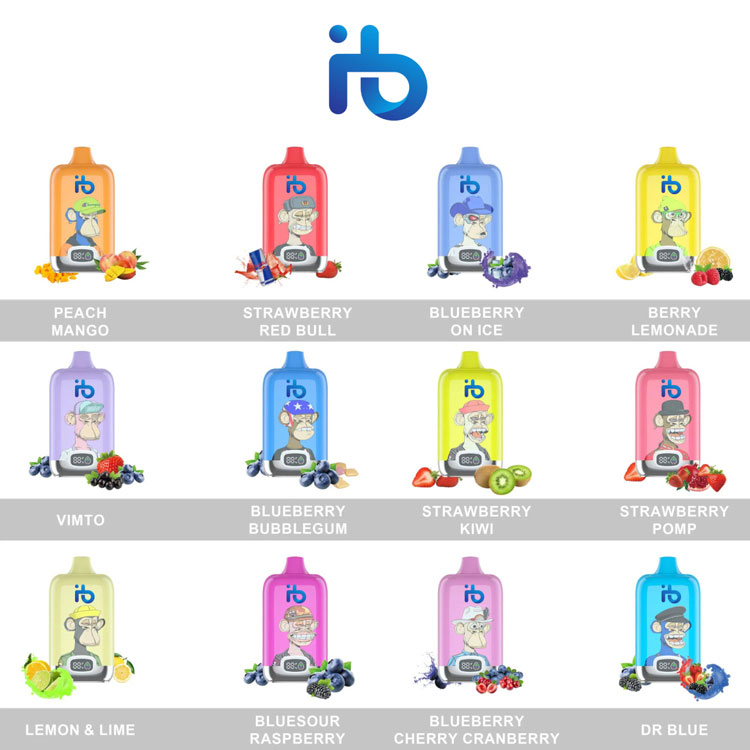
Key Ingredients in E-cigarettes
E-cigarettes primarily contain a liquid known as e-liquid or vape juice. This liquid is composed of several main ingredients, including nicotine, flavorings, propylene glycol (PG), and vegetable glycerin (VG). While nicotine is the addictive substance derived from tobacco, PG and VG are used to create the vapor you inhale.

Nicotine is naturally found in tobacco plants and is the substance that contributes to addiction. This is a critical ingredient in e-cigarettes, often present in varying concentrations. Users can often choose the nicotine level that best suits their needs.
Flavorings in e-cigarettes can range from simple tobacco flavors to complex fruity or candy-like concoctions. These flavorings are designed to enhance the vaping experience, but they are typically made from food-grade substances.
Propylene glycol is a synthetic liquid substance that absorbs water, used as a carrier for the flavors and nicotine in e-cigarettes. Known for its ability to produce vapor, PG is considered safe for consumption in small amounts and is widely used in food and pharmaceuticals.
Vegetable glycerin, a thicker substance than PG, is derived from plant oils. VG contributes to the vapor production and is responsible for the ‘smoke’ effect seen while vaping. It is also considered safe when ingested.
The Hidden Truth About E-cigarette Ingredients
Beyond the basic components, e-cigarettes can contain other organic compounds, metals, and even contaminants. For instance, there have been concerns about the presence of formaldehyde, acetaldehyde, and other volatile organic compounds. These are substances that can form during the heating process of the e-liquid.
Moreover, studies have detected trace metals such as lead, nickel, and chromium in some e-cigarette aerosols. These can potentially pose health risks if inhaled over time. The quality control and manufacturing processes are crucial factors influencing the presence of these unwanted ingredients.
Are E-cigarettes Safe?
While e-cigarettes are often marketed as a safer alternative to smoking, it is essential to weigh their potential risks. They do not produce tar like conventional cigarettes, but the long-term health impacts of inhaling vaporized e-liquid are still under investigation. The varied and complex ingredients emphasize the importance of studying e-cigarettes further. Users should stay informed about the quality and composition of the products they choose.
Frequently Asked Questions
- What is the safest e-liquid to use?
While no e-liquid is deemed completely safe, choosing products with high-quality ingredients and purchasing from reputable brands can mitigate risks. - Can e-cigarettes help you quit smoking?
Some individuals have successfully used e-cigarettes to transition away from smoking, but results vary and should be supported by additional cessation methods. - How can I ensure I am using a reputable e-cigarette brand?
Researching brands, checking for regulatory compliance, and reading reviews can provide insight into their reputation and ingredient standards.