When comparing traditional cigarettes to e-cigarettes, there are several noteworthy aspects to consider, which revolve around health implications, socio-economic factors, technological advancements, and the evolving perception of smoking. This analysis provides a comprehensive outlook on the ongoing trends and potential benefits associated with each option.
Health Implications
The health risks of smoking traditional cigarettes have been extensively documented over decades, linking it to lung cancer, heart disease, and numerous other serious conditions. Traditional cigarettes contain tobacco, which, when burned, releases numerous carcinogens that pose a risk to smokers and those around them via secondhand smoke. In contrast, e-cigarettes or electronic nicotine delivery systems, typically use a liquid that is vaporized rather than combusted. This process generally results in fewer harmful substances than the smoke from cigarettes, although some studies suggest e-cigarettes might still carry certain health risks, primarily due to nicotine and other additives.

Innovation and Technology
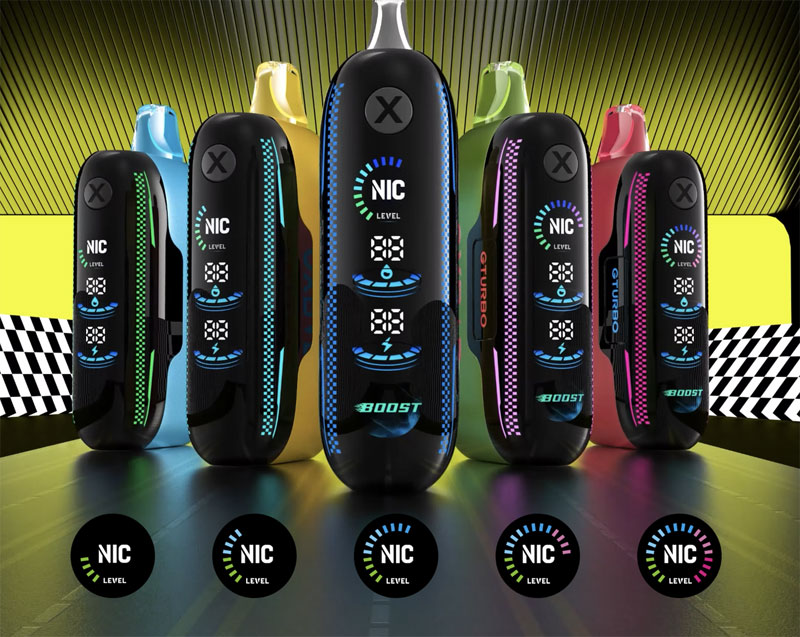
Technological innovation in e-cigarettes is one of their distinguishing features. Modern e-cigarettes are often equipped with features like adjustable power settings, various flavors, and customizable designs, which enhance user experience compared to the simplicity of regular cigarettes. The vapor produced by e-cigarettes also tends to dissipate more quickly than cigarette smoke, reducing lingering odors. Despite being relatively new, continuous advancements have made these devices more efficient, appealing to a technology-savvy audience.
E-cigarettes’ Socio-economic Impact

Economically, the rise of e-cigarettes has influenced job markets and tax revenues in various ways. Industries manufacturing vaping products have proliferated, creating numerous job opportunities and contributing to economic growth. Meanwhile, traditional tobacco industries have seen a decline in employment due to reduced cigarette consumption in some regions. On the consumer side, the cost variance of e-cigarettes versus traditional cigarettes is significant, as the initial investment in a vaping device and subsequent cartridge or liquid purchases can be more economical in the long term, depending on usage habits.
The perception of smoking has shifted increasingly towards harm reduction. Many view e-cigarettes as a viable alternative for those attempting to quit traditional smoking. Public health campaigns and regulations often emphasize harm reduction, aiming to minimize the adverse health impacts of nicotine consumption while acknowledging that e-cigarettes are not risk-free. Regulatory bodies across various countries are actively analyzing and adapting policies to balance potential benefits with existing health concerns.
- Regulation and Public Perception
Governmental regulation plays a crucial role in shaping the usage of cigarettes and e-cigarettes. Regulations often vary by region, with some countries imposing strict advertising and usage restrictions on e-cigarettes similar to those on tobacco products, while others endorse them as a cessation tool. Public perception is heavily influenced by these regulations and media coverage, contributing to social norms surrounding smoking.
Common Questions About Cigarettes and E-Cigarettes
Q1: Are e-cigarettes safer than traditional cigarettes?
A: E-cigarettes are generally considered less harmful than traditional cigarettes as they produce fewer toxic chemicals. However, they are not without risk, and long-term effects are still being studied.
Q2: Can e-cigarettes help in quitting smoking?
A: Many smokers have successfully used e-cigarettes as a tool to reduce or quit smoking, although they are not FDA-approved cessation devices. It is advised to seek professional guidance for quitting smoking.
Q3: What are the economic impacts of switching to e-cigarettes?
A: Switching to e-cigarettes can potentially save money in the long term due to lower ongoing costs compared to regular cigarettes, but initial setup costs for devices can be higher.