What is a Vape and How Do E-Cigarettes Work?
The popularity of vape products and e-cigarettes has surged in recent years as consumers look for alternatives to traditional smoking. These devices work by heating a liquid—often called e-liquid or vape juice—that usually contains nicotine, flavorings, and other chemicals. When heated, the liquid becomes an aerosol, allowing users to inhale it.
Key Components of Vape Devices
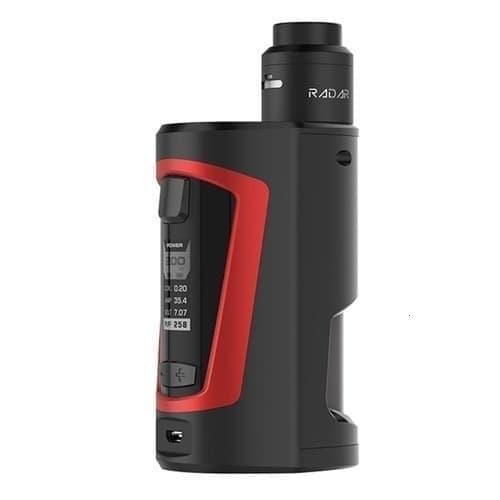
- Battery: Powers the heating element
- Atomizer: Heats the e-liquid
- Cartridge or Tank: Holds the e-liquid
- Mouthpiece: Used to inhale the vapor
Short-Term Negative Effects of Vape and E-cigarettes
While many believe vaping is a safer choice, numerous studies have identified the e cigarettes negative effects that can manifest even after brief use. These include:
- Throat and mouth irritation
- Coughing and wheezing
- Headaches and dizziness
- Increased heart rate
Some users have also reported allergic reactions to the chemicals in vape liquids, including propylene glycol and flavor additives.
Long-Term Health Risks Linked to Vape and E-Cigarettes
Research continues to uncover more about the e cigarettes negative effects on long-term health. Some key concerns include:
- Lung Damage: Vaping may cause inflammatory responses in the lungs, damage lung tissue, and potentially contribute to diseases like “popcorn lung” (bronchiolitis obliterans).
- Nicotine Addiction: Most e-liquids contain nicotine, a highly addictive substance leading to dependency and adverse effects on cardiovascular health.
- Increased Risk of Heart Conditions: Emerging data indicates a higher chance of heart attacks and hypertension in regular vape users.
- Negative Impact on Oral Health: Vaping is linked to gum disease, bad breath, and enamel erosion.
Chemical Exposure and Unknown Risks
Many consumers mistakenly assume vape devices are harmless because they do not contain tobacco. However, numerous studies caution about the wide range of chemicals inhaled with each puff. Substances such as formaldehyde, acetaldehyde, and acrolein are byproducts of the vaping process and may cause significant harm to the respiratory and cardiovascular systems over time. The full scope of e cigarettes negative effects remains uncertain as new flavors and ingredients enter the market, and long-term studies are still underway.
Impact on Adolescents and Teenagers
One of the most alarming trends in the realm of vape usage is its prevalence among young individuals. Adolescents are particularly susceptible to nicotine addiction, which can influence brain development and lead to cognitive and behavioral challenges. According to recent surveys, a significant portion of high school students have tried vaping at least once, putting themselves at risk of long-lasting e cigarettes negative effects.
Psychological and Social Considerations
Aside from physical health consequences, the usage of vape products and e-cigarettes can impact mental health. There is evidence linking nicotine exposure to anxiety, mood swings, and increased stress levels. Additionally, the social acceptability of vaping among youth may inadvertently normalize substance use behaviors, potentially leading to experimentation with other addictive products.
Passive Exposure: Is Secondhand Vape Harmful?
A growing concern is the impact of exposure to vapor from e-cigarettes, sometimes referred to as “passive vaping.” While the risks might be lower than with traditional cigarettes, limited research shows that bystanders can still inhale harmful substances, potentially facing related e cigarettes negative effects. Children, pregnant women, and individuals with pre-existing respiratory issues are particularly at risk.
The Environmental Toll of Vapes and E-cigarettes
Not only do vape and e-cigarette products impact personal health, but they also contribute to broader environmental problems. Disposable devices and cartridges produce plastic waste, lithium-ion batteries require special disposal, and the chemicals left in used devices can leach into the environment, threatening water sources and ecosystems.
Regulations and Safety Standards
Governments around the world are enacting stricter regulations to limit the production, sale, and marketing of vape products and e-cigarettes, particularly to protect minors from accessing them. However, disparities in regulations and enforcement mean gaps remain in consumer protection and product safety, warranting increased awareness about e cigarettes negative effects.

Attempting to Quit: Challenges and Support
Quitting vape usage can be difficult due to the addictive nature of nicotine and the behavioral habits associated with vaping. Many users switch to vaping to stop smoking and later find themselves addicted to the new habit. Effective cessation often requires counseling, support groups, and sometimes medical intervention.
Comparisons: Vaping vs. Traditional Smoking
Although vape and e-cigarette products are often advertised as less harmful than smoking, it’s important to contextualize the e cigarettes negative effects in relation to conventional tobacco products. It is true that vaping typically exposes users to fewer combustion-generated toxins than smoked cigarettes. However, this does not mean vapes are safe or free from health consequences. In fact, some flavoring agents used exclusively in vapes have not been studied for inhalation safety.
Common Misconceptions About Vaping
- “No Nicotine, No Harm” Fallacy: Even nicotine-free vape liquids may contain toxic chemicals and fine particulate matter that can irritate the lungs.
- “Vaping is Only Water Vapor”: The phrase misleads—what’s inhaled is an aerosol containing potentially harmful substances, not just water.
- “Vapes are Safe During Pregnancy”: All forms of nicotine exposure can be detrimental to fetal development, and women should avoid vape products entirely during pregnancy.
Tips for Safer Choices and Harm Reduction
If you choose to use vape or e-cigarette products, seeking products from reputable brands, avoiding unregulated or modified devices, and regularly monitoring for adverse symptoms can help reduce risk. Still, the best option is to avoid inhaling any non-prescribed substance to minimize e cigarettes negative effects and protect long-term health.
Current Research and The Future Outlook
With science evolving rapidly in this field, ongoing research aims to better define and quantify the e cigarettes negative effects. As more peer-reviewed studies emerge, public health policies and recommended guidelines are expected to adapt further. For now, the consensus among leading health organizations is to proceed with caution and awareness regarding vape products’ potential risks.
Conclusion: Making Informed Choices About Vape and E-Cigarettes
Understanding the mechanisms, health implications, environmental footprint, and societal impact of vape and e-cigarette devices is vital for both users and policy-makers. As awareness grows regarding e cigarettes negative effects, informed choices are more critical than ever. Always consult healthcare professionals before starting or stopping the use of any nicotine-containing product to ensure your individual health needs are met.
Frequently Asked Questions About Vape & E-Cigarettes
- Are vapes safer than traditional cigarettes?
- Vapes may expose users to fewer combustion products compared to traditional cigarettes, but they are not risk-free. Many harmful chemicals are still present, and both immediate and long-term health risks exist.
- Can you get addicted to vaping?
- Yes, most vapes contain nicotine, which is highly addictive. Even users intending to quit smoking may develop a dependency on e-cigarettes.
- What are the most common negative effects of e cigarettes?
- The most common risks include throat and lung irritation, nicotine addiction, headaches, increased heart rate, and potential long-term lung and heart conditions.
- Is secondhand vapor from e-cigarettes harmful?
- Though typically less toxic than cigarette smoke, secondhand vapor still contains substances that can affect vulnerable populations, including children and people with respiratory issues.