Understanding the Complexities of Vape and Its Chemical Composition
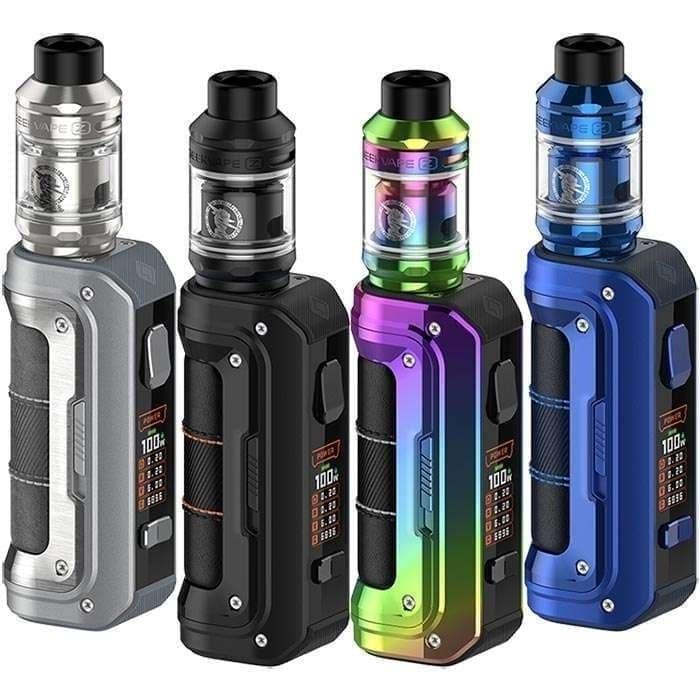
In recent years, the rising popularity of Vape devices and their alternatives to traditional smoking has sparked extensive debates and research regarding their safety and potential health risks. Central to these discussions are the various chemicals in e cigarettes, which influence both the immediate effects on users and the long-term consequences on public health. To make informed and safer choices, it is crucial to explore not only the addictive nature of vaping products but also the detailed chemistry hidden within these devices.
What Constitutes the Chemical Makeup of E-cigarettes?
At the heart of vaping is the e-liquid or vape juice, which, when heated, transforms into an aerosol inhaled by users. This liquid typically comprises a base of propylene glycol and vegetable glycerin, but also contains flavorings, nicotine, and other additives. While propylene glycol and vegetable glycerin are generally recognized as safe for ingestion, their inhalation can provoke respiratory irritation.
Most importantly, the chemicals in e cigarettes can include potentially harmful constituents such as formaldehyde, acetaldehyde, acrolein, and various volatile organic compounds (VOCs). These arise from thermal decomposition or reaction of vape components under high temperatures. Emerging studies suggest these substances might cause oxidative stress, cytotoxicity, and inflammation in lung tissues.
The Health Risks Associated with Vaping
Although marketed as safer than conventional cigarettes, vaping is not devoid of risk. The inhalation of aerosolized chemicals affects respiratory health and can impact cardiovascular function. Nicotine, a primary addictive component present in many vape liquids, remains a concern due to its stimulant properties and potential for dependency.
Research highlights the relation between chemicals in e cigarettes and respiratory diseases, including chronic bronchitis and asthma exacerbation. Additionally, some flavoring agents used to enhance user experience may contribute to airway irritation and even toxicity upon prolonged exposure.
Safer Consumption and Risk Mitigation Strategies
For those who choose to vape, understanding ways to mitigate harm is paramount. Selecting vape products with verified quality control, avoiding unregulated or homemade e-liquids, and minimizing usage frequency can help reduce exposure to hazardous chemicals. The presence of chemicals in e cigarettes necessitates ongoing scrutiny and consumer awareness.
Importantly, regulatory bodies worldwide are intensifying standards and monitoring to ensure product safety. Consumers may look for certifications and disclosures of chemical constituents in vape liquids to make safer choices. Moreover, seeking cessation support remains the most effective method to eliminate health risks associated with nicotine-containing products.
Future Perspectives and Research Directions on Vape Safety
The scientific community emphasizes that comprehensive studies on the long-term health consequences of inhaling various chemicals in e cigarettes are essential. Advancements in analytical techniques are enabling better identification of potentially harmful compounds, creating pathways for the formulation of safer alternatives.
Meanwhile, public health policies continue to evolve, balancing harm reduction benefits and potential risks tied to vaping. Educating users about chemical exposures and fostering transparent communication on product content play crucial roles in promoting informed decisions regarding vape usage.
Frequently Asked Questions
- What are the primary harmful chemicals found in vapes?
- Many chemicals in e cigarettes such as formaldehyde, acetaldehyde, and acrolein are linked to respiratory and cardiovascular issues, especially when inhaled consistently.
- Is vaping safer than smoking traditional cigarettes?
- While vaping generally exposes users to fewer toxic substances than conventional smoking, it is not risk-free due to the presence of nicotine and other chemical irritants.
- Can flavorings in vape liquids be harmful?
- Certain flavoring agents may irritate the lungs or cause toxicity, especially with long-term exposure. Research is ongoing to determine their full impact.
- How can I reduce health risks if I vape?
- Choosing high-quality regulated products, limiting use, and avoiding homemade e-liquids can mitigate some risks, but quitting vaping altogether is the most beneficial.