Understanding how vape outreach and social dynamics drive rising youth vaping trends
This in-depth overview examines how persuasive advertising, product design, price promotions, and peer influence combine to increase youth e-cigarette use and outlines community-centered strategies to reduce the appeal of these products. The goal is to offer practical insight for educators, public health advocates, parents, and policymakers who want to curb the momentum of vape experimentation among adolescents while preserving evidence-based approaches to harm reduction. The content below highlights the mechanisms of influence, presents intervention design principles, and suggests measurable actions communities can take to shift social norms away from nicotine initiation and sustained youth e-cigarette use.
What we mean by the modern vape landscape
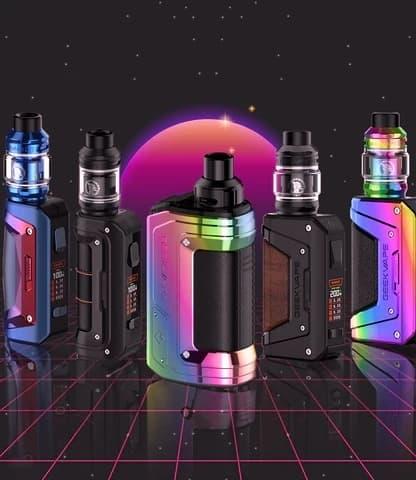
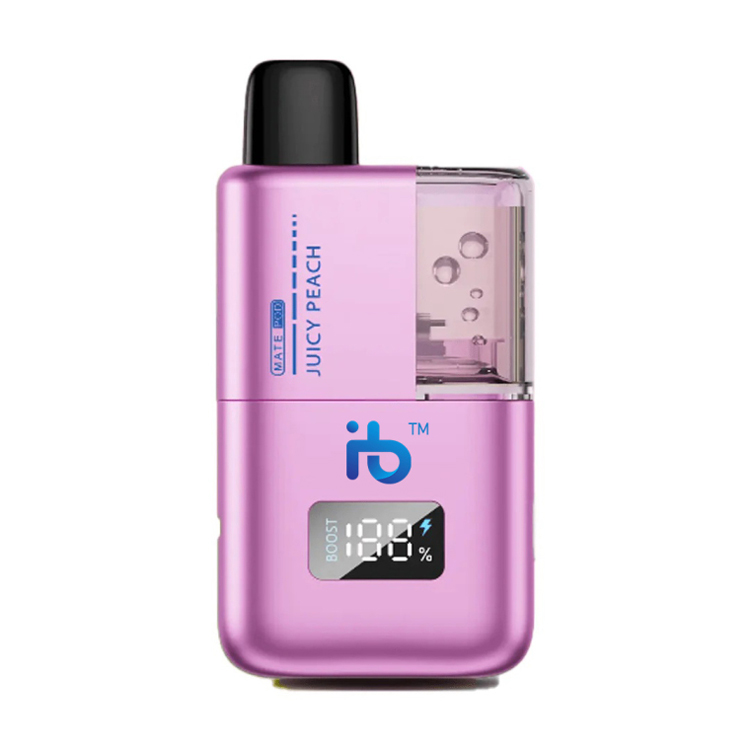
Over the last decade, the product category commonly referred to as vape devices has diversified into disposables, pod systems, and refillable mods that are marketed with bright packaging, flavor variety, and social media-friendly aesthetics. These features are not incidental: they are carefully optimized to attract attention, encourage trial, and facilitate sharing. When marketing and distribution strategies align with adolescent interests, the probability of experimentation and transition to regular youth e-cigarette use increases. Understanding the design of appeal is the first step to neutralizing it.
Key industry tactics that elevate risk
- Flavor innovation: Fruit, dessert, and beverage-inspired flavors reduce perceived harm and increase product novelty, fueling experimental vape use among youth and sustained youth e-cigarette use in some cohorts.
- Targeted digital marketing: Short videos, influencer partnerships, and algorithmic ad placements place vape content squarely in youth feeds, normalizing use and creating a cascade of peer imitation.
- Price promotions and accessibility: Lower-cost disposables and multi-unit discounts reduce economic barriers to trial and repeat purchases, sustaining patterns of vape consumption.
- Concealability and design: Slim, USB-like devices and odor-minimizing formulations make it easier for adolescents to hide use from authority figures, contributing to increasing youth e-cigarette use.
Peer influence: the social engine behind experimentation
Peer networks are a core driver of adolescent behavior change. When influential peers model vaping, they communicate implicit social approval. The visibility of an action within a peer group increases perceived prevalence, which in turn increases the likelihood that other group members will engage in the behavior. This contagion model is amplified by social media where gestures—cloudy exhalations, product unboxings, or “tricks”—become viral cues that accelerate vape desirability. To address rising youth e-cigarette use, interventions must work at the group and cultural level, not only the individual level.
Pathways from trial to regular use
Typical pathways include curiosity-driven trial promoted by flavors and peer invitations, intermittent social use, and then a shift to more frequent consumption driven by nicotine dependence or the desire to align with group identity. Each stage offers different intervention points: denying access, reducing appeal, altering group norms, and offering support for cessation. A layered approach that simultaneously reduces exposure, increases resistance skills, and provides alternatives tends to be most effective against entrenched patterns of youth e-cigarette use.
Community strategies to reduce vape appeal
Communities can act on several fronts: policy, school-based prevention, parental engagement, youth empowerment, retail compliance, and health communication. A coordinated portfolio that targets supply, demand, and normative belief systems has the highest likelihood of success. Below are evidence-informed tactics and considerations for implementation.
Policy and retail enforcement
- Enforce minimum purchase age laws rigorously and prioritize compliance checks for both brick-and-mortar and online retailers to limit youth access to vape products.
- Restrict flavor availability in the retail environment; consider targeted flavor restrictions to reduce the specific products most attractive to adolescents and thereby lower rates of youth e-cigarette use.
- Implement point-of-sale display limitations and stronger packaging standards to reduce the visual cues that drive impulse purchases.
- Taxation strategies: consider excise taxes calibrated to increase price sensitivity among youth without unduly penalizing adult smokers seeking alternatives.
School-based interventions
Schools are critical environments for prevention. Prevention curricula should be developmentally appropriate, interactive, and address social norms, refusal skills, and the science of addiction. Pair educational programs with clear disciplinary policies that emphasize support and cessation resources rather than zero-tolerance punishment which can push students away from help and into secretive patterns of youth e-cigarette use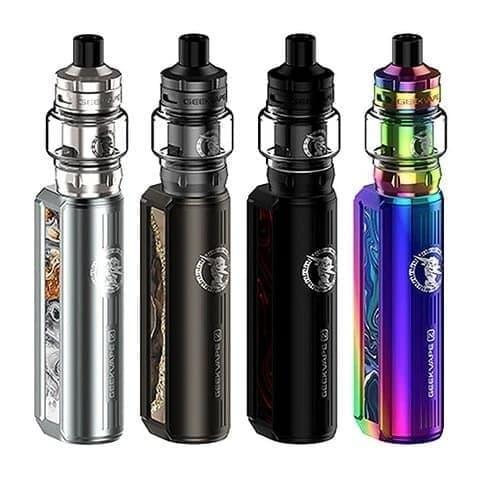 . Peer-led initiatives are particularly powerful because they directly leverage the same social influence mechanisms that promote experimentation.
Parental engagement and communication
Parents can reduce risk by setting clear household rules, monitoring for device indicators (chargers, small devices, unusual odors), and maintaining open, nonjudgmental conversations about nicotine and mental wellbeing. Messaging that labels vape use as a risk to brain development and mental health can be persuasive, but it should be coupled with empathy and actionable steps for parents to intervene and support adolescents seeking to quit.
Youth empowerment and alternative activities
Programs that build youth leadership and offer appealing alternatives—sports, arts, tech clubs, civic projects—reduce idle time and provide identity-affirming ways to connect without nicotine. When young people co-design campaigns that denormalize vape use using authentic peer voices, the credibility and uptake of prevention messages increases significantly.
Communication and counter-marketing
Effective counter-marketing focuses on three principles: clarity, credibility, and cultural relevance. Campaigns that rely on scare tactics alone are less effective than those that present relatable stories, emphasize short-term impacts (performance, finances, athletic ability), and model social disapproval in a non-shaming way. Using digital platforms where youth spend time allows for precise, scalable implementation of counter-narratives that challenge the glamorization of vape devices.
Message testing and segmentation
Conduct message testing with the intended audience segments: middle school vs high school, urban vs rural, and different cultural groups. Tailor messages about youth e-cigarette use to highlight locally-relevant harms and leverage trusted community messengers such as coaches, musicians, or peer leaders who resonate with specific subgroups.
Harm reduction and clinical approaches
For adolescents who have already established nicotine dependence through vape use, clinical support and cessation resources should be accessible and youth-friendly. Evidence-based cessation counseling adapted for teens, combined with behavioral supports and family involvement, is preferable to pharmacotherapy as first-line treatment except in specific clinical scenarios. Confidential access to counseling in school-based health centers, youth clinics, or via telehealth can reduce barriers to quitting and help lower ongoing rates of youth e-cigarette use.
Evaluation and surveillance
Ongoing measurement of prevalence, patterns of use, and the social contexts surrounding vape initiation is essential. Communities should establish baseline metrics and track changes over time, using school surveys, retailer compliance audits, and digital monitoring of ad exposure. Real-time data supports adaptive programming where interventions are iteratively refined for maximum impact on youth e-cigarette use.
Building cross-sector partnerships
Effective responses require collaboration across public health departments, education systems, law enforcement, community organizations, youth groups, and healthcare providers. Each sector offers unique tools—policy levers, educational reach, enforcement capacities, clinical services—that, when harmonized, form a robust defense against the normalization of vape products among adolescents.
Interventions that align supply reduction with demand reduction and cultural change yield the most sustainable declines in adolescent nicotine use.
Practical checklist for local action
- Conduct a rapid community assessment of prevalence and access points for vape products among youth.
- Convene a multi-stakeholder task force to set priorities and coordinate implementation across sectors.
- Adopt targeted policies (flavor limits, retail restrictions) and back them with enforcement and monitoring.
- Implement school and family-based prevention programs that are interactive and peer-informed.
- Deploy counter-marketing campaigns with tested messages and youth co-creation.
- Ensure accessible cessation resources for adolescents seeking help to stop youth e-cigarette use.
- Measure outcomes and adapt strategies using local data every 6–12 months.

Addressing myths and frequently encountered objections
Common arguments in favor of unrestricted availability of vape products include harm reduction for adult smokers and consumer freedom. These concerns are legitimate but do not preclude protective measures that specifically target youth access and appeal. Policies can be crafted to support adult cessation while minimizing youth exposure—for example, restricting flavors appealing to adolescents while preserving certain unflavored or tobacco-flavored alternatives for adult smokers trying to quit. Transparent communication about the rationale for youth-focused protections helps maintain public support and avoids polarization.
Equity considerations
Any strategy must be attentive to equity: marginalized youth may experience higher exposure to targeted marketing and greater barriers to cessation support. Invest in community-based organizations that serve high-risk populations, and tailor interventions to reduce disparities in rates of youth e-cigarette use.
Case examples and lessons learned
Several jurisdictions that combined flavor restrictions, retailer enforcement, and sustained youth-focused education saw measurable declines in adolescent vape prevalence over several years. The lessons include: ensure consistent enforcement to prevent market circumvention, invest in ongoing youth engagement rather than one-off campaigns, and prioritize local evaluation to demonstrate impact and build momentum for scale-up.
Actionable next steps for stakeholders
For city leaders: consider ordinances that limit flavors and strengthen retailer licensing. For schools: adopt curricula that emphasize social influence resistance and provide counseling resources. For parents: cultivate open conversations and be informed about device appearance and signs of use. For community groups: co-create youth-led campaigns that shift norms and offer alternatives to nicotine-focused sociality. For healthcare providers: screen adolescents for nicotine use, provide brief counseling, and refer to youth-friendly cessation programs when needed.
Conclusion
Addressing the rise of adolescent nicotine exposure requires a systems approach that reduces the appeal of vape devices, curtails access, and remodels social norms. Activities that are most promising include coordinated policy action, youth-driven prevention, targeted enforcement, and accessible cessation support. By focusing on the intersection of marketing, peer influence, and community resilience, stakeholders can reduce initiation and prevalence of youth e-cigarette use and protect adolescent health and development.
FAQ
- Q: What immediate signs suggest an adolescent is using a vape device?
A: Look for unfamiliar small devices or cartridges, frequent use of mints or gum to mask odors, battery chargers in unexpected places, and changes in mood or concentration. Behavioral changes like secretive behavior around friends or sudden withdrawal from activities can also be indicators. - Q: Are flavored products the main driver of experimentation?
A: Flavors play a major role by lowering perceived risk and making initial trials more palatable, especially for younger teens. They are a significant, though not sole, driver; marketing, price, and social acceptance also contribute to rising youth e-cigarette use. - Q: How can schools balance discipline with support?
A: Favor restorative approaches that connect students to counseling and cessation resources rather than purely punitive measures. Policies that focus on education and health support reduce recurrence and help students quit. - Q: Do adult harm reduction needs conflict with youth protection?
A: They can be balanced by policies that restrict youth-oriented product features—like flavors and colorful packaging—while allowing regulated access points for adult smokers seeking alternatives under clinical supervision.
For communities seeking templates, consider partnering with local public health departments for model ordinances, accessing evidence-based curricula from national prevention coalitions, and engaging youth in message design. Sustained, multi-level efforts that reduce visibility, alter norms, and increase supports for quitting will have the greatest chance of lowering rates of youth e-cigarette use in the long term.