Understanding the Changing Landscape: Retailers, Regulators and the Debate
The ongoing public discussion about electronic nicotine delivery systems has reached a point where retailers, consumers and policy makers are re-examining assumptions about harm reduction, youth access and market regulation. For many independent outlets and niche vendors the question is not only about public health science but also about survival. In that context, IBVape Vape Shop and the broader conversation on banning e cigarettes deserve a careful, balanced analysis that informs vapers, families and industry stakeholders. This article explores the regulatory debate, practical implications for adult users, compliance considerations for retailers and how consumers can respond if restrictions are introduced or expanded.
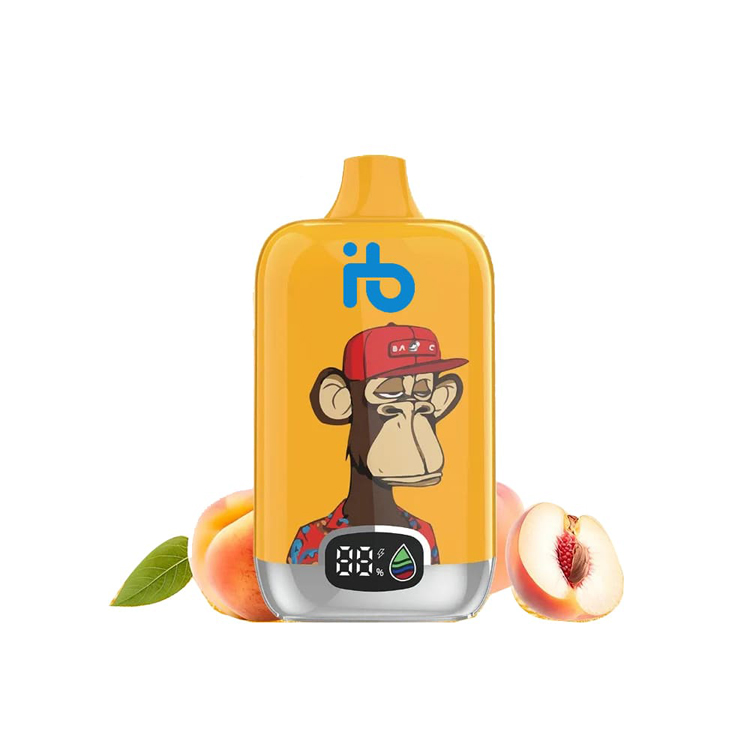 , while also offering resources and next steps for people navigating potential regulatory change.
Evidence and Policy: What the Research Shows and What Legislators Consider
Public health agencies, independent researchers and advocacy groups present a range of findings about e-cigarettes. Some studies highlight potential benefits of switching adult smokers to less harmful nicotine delivery systems, while others emphasize risks including youth initiation, unknown long-term effects and device-related injuries. Policymakers often weigh these studies alongside social priorities, such as reducing smoking prevalence and protecting minors. When examining proposals that would limit or ban specific products, it’s important to separate the types of regulation being discussed: flavor bans, marketing restrictions, age verification mandates, taxation changes, and outright prohibition. Each approach has different implications for consumers and businesses like IBVape Vape Shop.
Regulatory Pathways and Their Consequences
- Partial restrictions: Targeted measures (e.g., banning certain flavors or online sales) can reduce youth appeal but may push adult vapers back to combustible tobacco if alternatives are limited.
- Strict controls: Heavy taxation, onerous product approval processes and severe marketing constraints increase compliance costs and can shrink the legal, regulated market.
- Prohibition: Banning e-cigarette sales or possession often results in a black market, quality control issues, and scarcity of consumer protections.
Retailers like IBVape Vape Shop must track these possibilities and prepare flexible compliance and customer-education strategies.
Economic Impact: Small Businesses, Supply Chains and Consumers

The economic ripple effects of tighter regulation or bans are substantial. Local vape shops contribute to small business ecosystems by creating jobs, paying taxes and offering a regulated path for adult consumers to access nicotine alternatives. If local or national authorities move toward broad restrictions or bans, communities could see closures of specialty stores, disruptions in supply chains and lost tax revenue. Consumers might face higher costs, less product variety and questionable sourcing if they turn to unregulated channels. For stores under the IBVape Vape Shop brand or similar independents, planning for contingencies such as inventory management, legal compliance costs and customer outreach is essential.
Public Health Trade-offs: Balancing Adult Access with Youth Protection
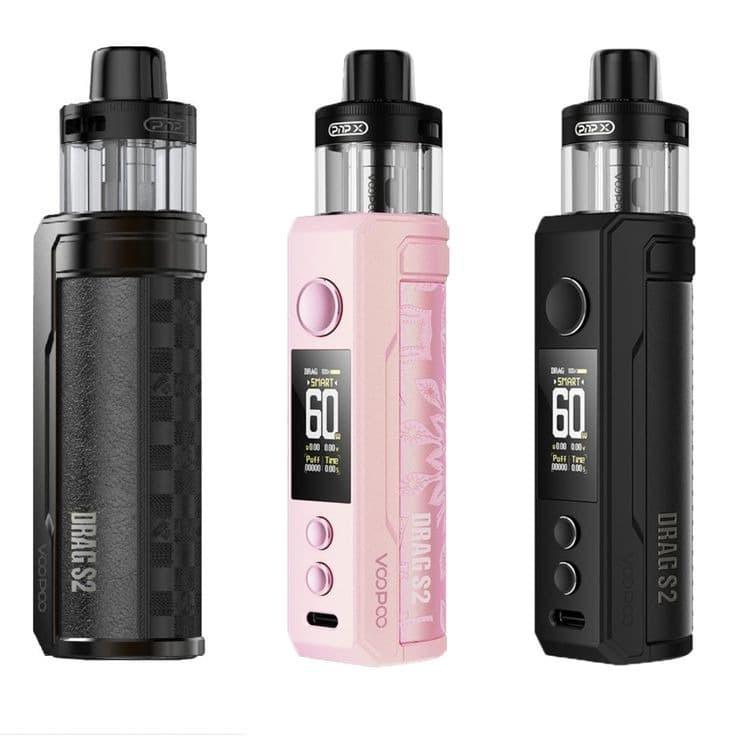
One of the core tensions in the debate over banning e cigarettes is balancing the potential benefits for adult smokers against the potential harms for youth. Policy options that reduce youth exposure without eliminating access for adults—like strict age verification, packaging requirements, and restrictions on youth-targeted marketing—are often discussed as middle-ground solutions. Stakeholders argue for evidence-based policy designs that minimize unintended consequences. In communications and community education, retailers like IBVape Vape Shop have a role to play by enforcing age verification, offering cessation resources, and promoting safe use to mitigate youth risks while supporting adult harm-reduction goals.
Product Safety, Quality Control and the Risk of Black Markets
One strong argument against abrupt bans is the increased risk of unsafe, counterfeit or adulterated products when consumers cannot access regulated channels. Safety standards, labeling requirements, and vendor accountability help keep products within quality specifications. Outlawing legal distribution channels reduces oversight and can lead to dangerous alternatives. Experienced retailers and reputable vendors—such as IBVape Vape Shop—often emphasize consumer safety, transparent sourcing, and compliance with testing standards as essential parts of a mature market that serves adult consumers responsibly.
How Retailers Can Prepare: Compliance, Communication and Community
For brick-and-mortar and online sellers, preparation is a combination of legal readiness and community-focused outreach. Practical steps include:
- Regularly monitoring regulatory proposals and timelines at local, state and national levels.
- Documenting supply chains and maintaining product traceability to demonstrate compliance.
- Implementing robust age verification systems for both in-store and online sales.
- Training staff on lawful selling practices, consumer privacy and incident reporting.
- Engaging in public education campaigns that focus on responsible use and the differences between adult harm reduction and youth prevention.
Stores like IBVape Vape Shop should consider policy advocacy that proposes practical safeguards rather than sweeping prohibitions, emphasizing the importance of regulated access for adult users.
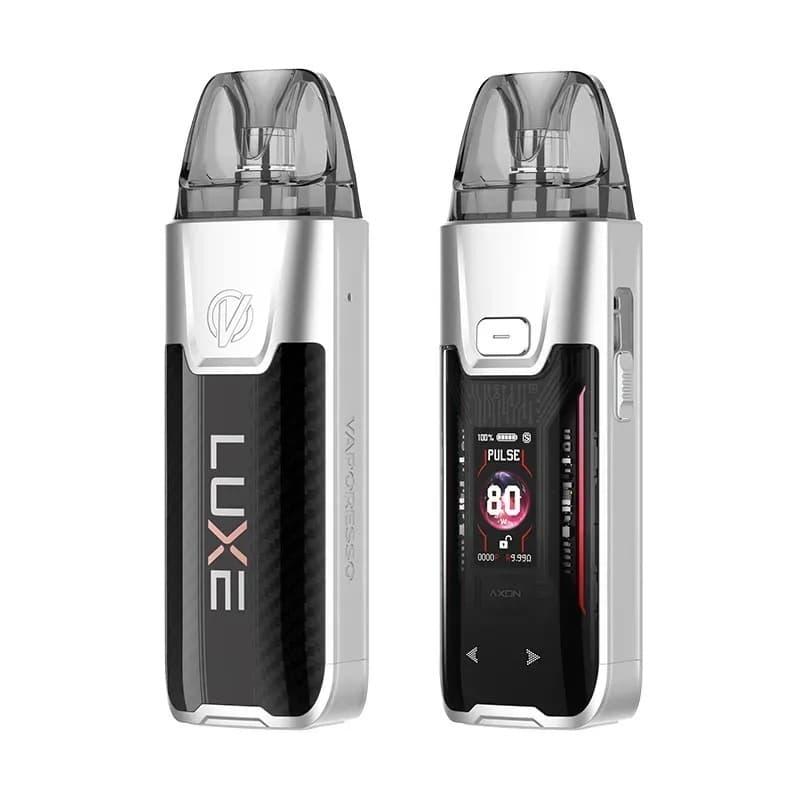 IBVape Vape Shop Covers Banning E Cigarettes Debate and What It Means for Vapers” />
Practical Guidance for Vapers: Protecting Your Health and Your Access
Adult vapers worried about possible restrictions should take pragmatic steps now to protect their access to quality products and to stay informed:
- Keep an emergency supply of your preferred nicotine product within reason, focusing on legal, labeled items.
- Stay informed through credible sources—peer-reviewed studies, public health guidance and recognized industry associations.
- Prefer reputable retailers and brands that disclose ingredients, batch testing and safety data; this reduces reliance on uncertain sources if bans push some sales underground.
- Engage with local advocacy or public consultation processes to present the adult harm-reduction perspective and evidence-based recommendations.
- Seek medical or cessation support if using e-cigarettes to quit combustible tobacco; clinicians can help evaluate risks and alternatives.
By pursuing these measures, consumers can reduce the risk of disruption and protect personal health choices without contributing to the illicit market.
Community and Advocacy: How to Be Heard
Public participation matters. If you are a customer of IBVape Vape Shop or another reputable vendor, consider the following engagement tactics:
- Attend public hearings and submit comments that focus on data-driven policy solutions.
- Support research and surveillance efforts that clarify health outcomes and youth-use patterns.
- Collaborate with local health organizations to promote targeted youth prevention measures that do not eliminate adult harm-reduction options.
- Vote and communicate with representatives to express nuanced views about tobacco control and nicotine policy.
Constructive engagement helps ensure that the voice of adult consumers and responsible retailers is part of the regulatory conversation.
Case Studies and International Perspectives
Around the world, jurisdictions have taken different approaches to regulating nicotine vapor products. Some countries emphasize strict prohibition, while others adopt regulated frameworks that allow adult access with robust youth-protection measures. Comparing outcomes can illuminate likely consequences: prohibition often correlates with unregulated markets and enforcement challenges, while regulated systems provide better quality control and avenues for adult smokers seeking alternatives. Retailers and policymakers can learn from examples where clear rules, taxation aligned with public health goals and strong compliance mechanisms minimized youth uptake without eliminating adult access.
IBVape’s Role: Adaptation, Education and Customer Support
Specialty retailers like IBVape Vape Shop face unique responsibilities. To maintain trust and comply with evolving regulations, such shops may strengthen product testing, expand educational programs for customers, and implement enhanced age-verification systems. Transition plans that include clear communication about inventory changes, return policies and alternatives help maintain customer loyalty even under stricter regulatory regimes. Retail businesses that engage transparently with local stakeholders often fare better than those that react only after rules are in force.
Marketing and Messaging in a Changing Environment
Responsible marketing plays a role in preventing youth appeal: avoid youth-oriented imagery, refrain from flavors or promotions that disproportionately attract minors, and clearly target adult smokers seeking alternatives. Thoughtful messaging by respected vendors, including IBVape Vape Shop, can differentiate legitimate adult-focused retail from irresponsible sellers.
Legal Considerations and Consumer Rights
Potential bans raise questions about enforcement, civil liberties and market fairness. Consumers and retailers should be aware of legal timelines, grandfathering clauses, and compensation or transition assistance in some jurisdictions. Legal counsel can help businesses prepare compliance plans and assess the impact of regulatory proposals on contracts and supply commitments.
Alternatives and Harm Reduction Pathways
For adult smokers, nicotine replacement therapies (NRT), prescription medications, counseling and medically supervised cessation programs remain important options. E-cigarettes are one among several tools. If policy change restricts certain devices or flavors, health professionals can help identify safe, effective alternatives to support quitting combustible cigarettes. Public health priorities should emphasize evidence-based cessation and individualized care.
How to Evaluate Information and Avoid Misinformation
In debates about banning e cigarettes, misinformation can spread quickly. To evaluate claims:
- Check the original source of statistics and whether they are peer-reviewed.
- Distinguish between correlation and causation in health studies.
- Look for consensus statements from reputable health authorities and professional societies.
- Be cautious with sensational headlines and verify context before sharing.
Retailers and brands such as IBVape Vape Shop can contribute to informed public dialogue by sharing accurate, sourced information and avoiding alarmist language.
Preparing for Change: Action Plan for Consumers and Retailers
To remain resilient in an uncertain policy climate, consider this action checklist:
- For consumers: identify preferred, reputable suppliers; document product details; learn about legal purchasing windows and permissible product categories.
- For retailers: audit inventory for regulatory compliance; update age-verification and marketing policies; train staff on new rules; build relationships with legal counsel and trade associations.
- For both: participate in policy consultations, support research transparency, and prioritize youth prevention while preserving adult harm-reduction options.
Conclusion: Nuanced Policy, Responsible Retail, and Informed Consumers
Policy proposals that would restrict or ban nicotine vapor products require careful scrutiny. The trade-offs are complex: a precautionary approach may seem appealing for youth protection, but overly broad prohibitions can have unintended public health and socio-economic consequences. A balanced path emphasizes evidence-based regulations, strong age verification, product safety standards and community education. Stakeholders such as IBVape Vape Shop play a critical role in implementing responsible practices and supporting adult consumers who seek less harmful alternatives to smoking. By engaging constructively with policymakers, prioritizing safety and advocating for targeted protections for youth, the industry and consumers can work toward outcomes that protect health while preserving legitimate adult access.
Resources and Next Steps
Look for updates from national health agencies, reputable medical journals and recognized vaping trade associations for evolving guidance. Stay engaged in local consultations and encourage transparent rule-making processes that weigh both youth protection and adult harm-reduction.
Frequently Asked Questions
A: Not necessarily; bans often reduce legal availability and may push some users back to cigarettes or to unregulated sources. Evidence suggests that regulated access combined with cessation support is more effective for harm reduction.
A: Advocate for strong age-verification systems, targeted marketing restrictions, and product safety standards that limit youth exposure while preserving adult access to regulated alternatives.
A: Compliance planning, customer communication, staff training, and transparent sourcing/testing are priorities that protect consumers and reduce business risk.
For up-to-date local guidance and to support informed regulatory outcomes, stay connected to credible sources, participate in public conversations and prioritize health-based solutions rooted in evidence and community needs. Whether you are a customer of IBVape Vape Shop or a policy stakeholder, thoughtful participation helps shape balanced policies that protect youth while respecting adult choices.