E Cigs travel guide: Practical advice on carrying vapes and batteries
Traveling with portable nicotine devices is a common concern for modern flyers. Whether you own a small pod system, a pen-style vape or a box mod, this long-form guide helps you understand rules, best packing practices, safety tips and international caveats so you can travel confidently. We focus on key questions like can you take an e cigarette on a plane and how to pack e-cigarettes safely for flights while keeping airline rules and lithium battery safety top of mind.
Quick summary: what most airlines and safety authorities allow
In most jurisdictions and under major aviation authorities (FAA, TSA, EASA and many national regulators) the baseline rules are fairly consistent: e-cigarette devices, including E Cigs, are permitted on aircraft only in carry-on baggage; they are generally prohibited in checked luggage. Spare lithium-ion batteries and power banks must also be carried in the cabin and must be protected against short circuits. E-liquids fall under the liquid restrictions for hand luggage (typically 100 ml / 3.4 oz per container, in a single transparent resealable bag). However, local and airline-specific restrictions can be stricter, and a handful of countries ban possession or import of vaping technology entirely. Always verify before you travel.
Why these rules exist
Two safety reasons drive the restrictions: fire risk from lithium batteries and the general prohibition on smoking or vaping in aircraft cabins. Lithium batteries can overheat and cause fires; the controlled environment of a cabin allows crew to respond quickly, hence the restriction to carry-on. Smoking or using e-cigarettes is banned on flights because it impacts cabin safety, air quality and is unenforceable at altitude. Even if an e-cigarette is allowed in your carry-on, use during the flight is strictly forbidden.
Detailed packing checklist for safe travel with vapes
- Carry-on only: Pack your e-cigarette devices, pod systems, mods and spare batteries in your hand luggage. Checked baggage is not a safe place for lithium-powered devices.
- Protect batteries: Place spare batteries in original packaging or use dedicated battery cases. Ensure battery terminals are covered and batteries cannot touch metal objects that could short them.
- Power banks: Treat power banks (external chargers) like spare batteries: carry them on board and check airline limits on capacity (mAh or Wh thresholds).
- Disassemble where possible: If your device has a removable tank, remove it and store it upright in a leak-proof container. Consider emptying tanks if pressure changes might cause leaking.
- E-liquid containers: Follow the 100 ml / 3.4 oz per container rule for liquids in most regions: keep all e-liquids in a clear quart-sized bag at the security checkpoint.
- Device off and safe: Turn off devices and secure fire buttons so they won’t activate in transit. Consider using a protective case or silicone band around the device.
- Declare when required: If a customs form or airline specifically asks about nicotine products, answer truthfully to avoid penalties, especially when traveling to jurisdictions with tight bans.
Step-by-step at the airport: how to pass security smoothly
- Before you leave for the airport, review your airline’s policy and local regulations at destination. Policies vary and some airlines impose additional restrictions.
- At security, remove e-liquids from your bag and place them in the clear plastic bag with other liquids. Make sure each bottle is 100 ml or less unless specific exemptions apply.
- Keep devices and spare batteries accessible. If screening staff ask, present devices separately in a tray. Some countries may ask you to power on the device to show it is a functioning unit.
- Don’t attempt to conceal batteries in checked luggage or wrapped in clothing; this increases the risk (and could violate airline rules).
Battery and power bank rules — what to check
Airlines and international regulators often limit lithium battery capacities. A simple way to understand limits: capacities up to 100 Wh (watt-hours) are typically permitted in carry-on without airline approval, while batteries between 100 Wh and 160 Wh usually require airline approval and are limited to two spares per passenger. Batteries over 160 Wh are often prohibited. Many consumer vapes have batteries well under these limits but high-capacity external packs can exceed them. If the battery mAh is shown, convert to Wh (Wh = (mAh/1000) × V) or check manufacturer specs.
Practical packing tips for battery safety
- Insulate battery terminals with tape or use individual plastic covers.
- Keep spare batteries in original packaging or a dedicated hard case.
- Keep batteries away from loose change, keys or metallic objects.
- When flying long-haul, do not leave devices charging unattended in the cabin; airlines may prohibit charging for some devices.
International travel: special rules and country bans
When traveling internationally, it’s crucial to check destination laws. Some countries consider the import or use of e-cigarettes illegal or restricted; penalties can include fines or even arrest. Examples to watch for: certain Southeast Asian countries (e.g., Singapore) enforce strict bans on e-cigarettes and nicotine-containing products, sometimes without a straightforward permit process. Other regions may permit possession but have strict rules on nicotine concentrations and packaging. Customs officials can be strict — in these cases consider not bringing devices or using alternative nicotine management strategies for travel days.
Helpful packing scenarios
Light traveler: one pod device, one spare pod, minimal e-liquid in 30 ml bottle — everything in carry-on, e-liquids in quart bag, device off and in case.
Frequent traveler: two devices (backup), three spare batteries in a dedicated case, power bank within permitted Wh, e-liquids separated and clearly labeled. Keep receipts if you have high-value devices to prove purchase date and ownership if questioned.
International itinerant: research local restrictions, check baggage rules for each airline segment, avoid carrying large quantities of e-liquid or branded packaging that may attract attention at customs.

Onboard behavior and inflight rules
Remember: even if you’re allowed to carry an electronic cigarette, inflight use is prohibited. Attempting to vape in a lavatory or cabin can result in fines, diversion of the aircraft, criminal charges or bans from airlines. Crew members are authorized to enforce no-smoking and no-vaping rules and will act to maintain safety. If you need nicotine relief, plan ahead with alternatives (NRT patches, gum) while complying with laws at your destination.
Common pitfalls and how to avoid them
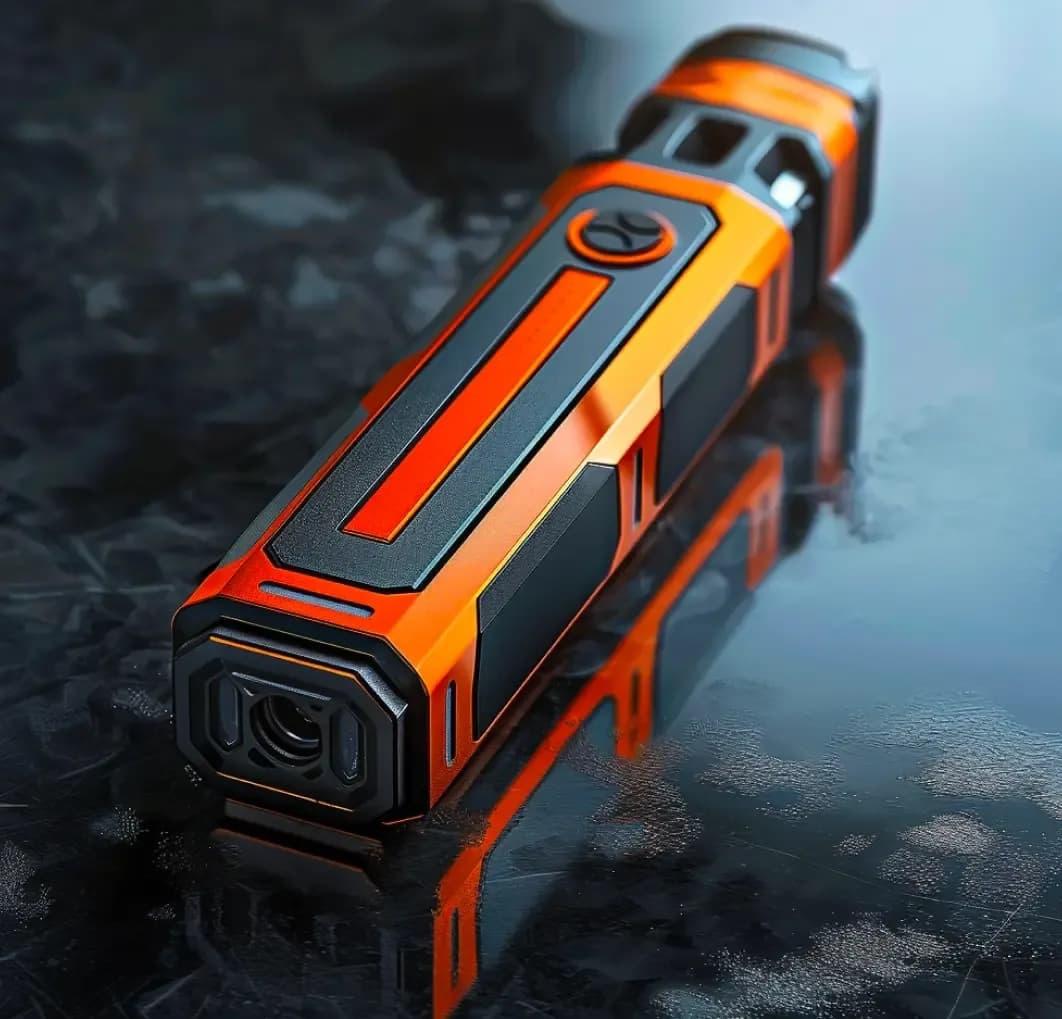
Major mistakes travelers make:
- Placing devices in checked luggage — many devices are confiscated or lead to penalties.
- Carrying large quantities of e-liquid that exceed customs allowances in some countries.
- Trying to hide devices or batteries in electronic gadgets — increasing inspection time and risk of confiscation.
- Assuming all countries treat e-cigarettes like cigarettes — some treat them as contraband.
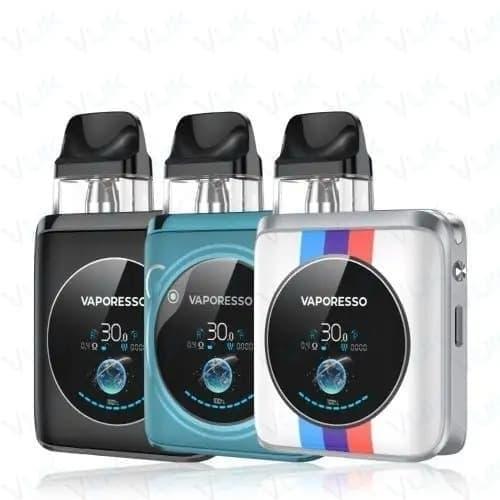
How to avoid pitfalls: check airline policies early, pack smart, keep documentation for electricity capacity of batteries, and when in doubt, choose compliance over convenience.
Tips for preserving your device and e-liquid during transit
- Maintain tanks upright and partially filled (not overfilled) to reduce leak risk.
- Store e-liquids in small, sealed bottles to minimize impact if a leak happens.
- Use a compact, padded travel case to protect devices from drops and pressure changes.
- Consider nicotine patches for takeoff/landing if you worry about cravings or security hassles.
What to do if your device is confiscated or you face penalties
If an airport authority or airline confiscates your device, ask for a written receipt. If local law enforcement is involved, remain calm, cooperate and seek consular assistance if abroad. Prevention is better than cure: check rules before travel and avoid last-minute surprises at security checkpoints.
SEO-focused notes on relevant search queries
Many travelers type specific phrases into search engines: “can you take an e cigarette on a plane”, “E Cigs carry-on rules”, “vape battery on plane”, or “are e-liquids allowed in hand luggage”. This guide aims to match those intents by answering the principal question—can you take an e cigarette on a plane—and providing practical packing and safety steps that searchers find useful. Repeating the phrase can you take an e cigarette on a plane in headings and descriptive copy helps clarify intent and improves the relevancy signal for search engines while delivering clear user value.
Additional travel hacks
- Pack small desiccant pouches in your vape case to absorb moisture and reduce condensation risks.
- Keep receipts or proof of purchase for high-end devices to show ownership when questioned by security or customs.
- Label spare batteries with a permanent marker to indicate they are for personal use.
- Place a sticker on your carry-on noting you have medical or nicotine-related items — but only when truthful and in line with airline guidance.
When to leave devices at home
Consider not traveling with E Cigs if:
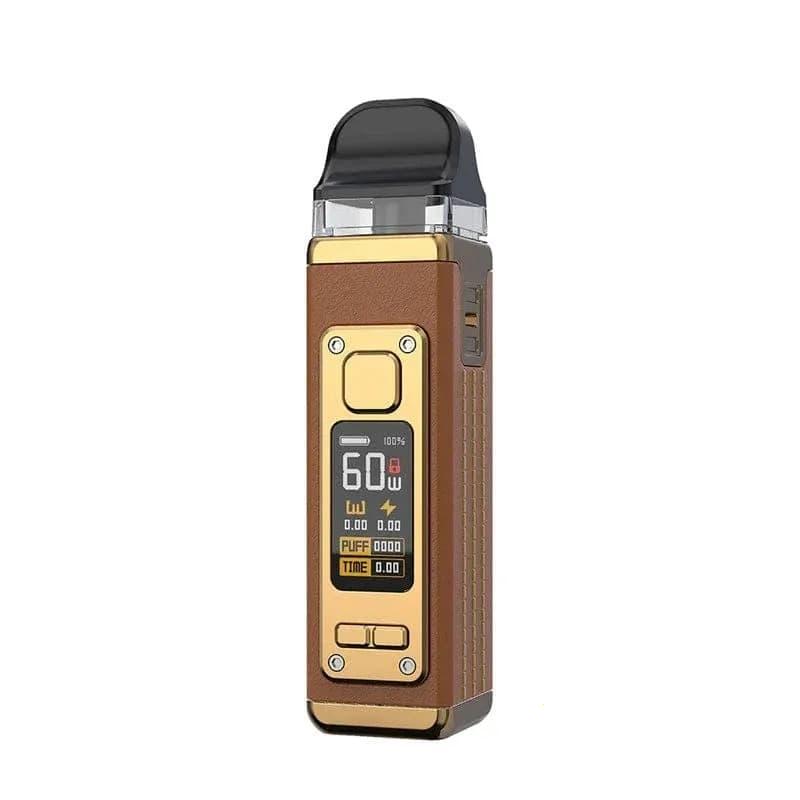 E Cigs safely for flights” />
- Your destination has strict e-cigarette bans or heavy penalties.
- You will have multiple connecting flights with inconsistent airline policies.
- You’re short on time and prefer to avoid the chance of device inspection or confiscation.
Choosing alternatives for travel days (patches, gum) may save time and avoid legal risk.
Final checklist before you close your suitcase
- Devices in carry-on and switched off.
- Spare batteries in protective cases with terminals insulated.
- E-liquids in 100 ml (/3.4 oz) bottles in a transparent bag if required.
- Power bank carried on and within airline specs.
- Knowledge of destination rules and airline policies stored on your phone or printed.
Useful resources and authorities to check
Prior to travel consult official sources: your airline’s website, TSA or the equivalent civil aviation authority in the country of origin, and the destination country’s customs or health ministry pages. For international flights, consult the International Air Transport Association (IATA) guidance on dangerous goods for up-to-date battery and device rules.
Closing thoughts
By following simple rules—carry devices in cabin luggage, protect batteries, observe liquid limits and verify local laws—you can travel with confidence. The single most repeated question among travelers is can you take an e cigarette on a plane, and the consistent answer is yes, with caveats and responsibilities. Planning ahead, packing carefully and respecting airline and country regulations will reduce stress and keep your trip smooth.
FAQ
- Q: Are e-cigarettes allowed in checked baggage?
- A: No. In most jurisdictions e-cigarettes and spare lithium batteries must be carried in the cabin. Checked baggage is considered unsafe for lithium-powered devices and many airlines prohibit them there.
- Q: How much e-liquid can I bring on a plane?
- A: Typically you can bring e-liquid in containers of 100 ml / 3.4 oz or less inside your carry-on liquid bag, but check both departure and arrival country rules for variations.
- Q: Can I charge my vape on the plane?
- A: Charging devices inflight is often restricted. Even if allowed, it may be impractical. Use airport charging stations before boarding and carry a compliant power bank.
- Q: What if my destination bans e-cigarettes?
- A: If a country bans e-cigarettes, do not bring them. You risk fines, confiscation or worse. Check customs and health authority guidance for the destination prior to travel.
Travel advice is subject to change; always verify the latest rules with your airline and official aviation authorities before flying. Safe travels and pack smart with E Cigs awareness in mind.