Vape Shop insights: understanding risks and practical harm reduction
Overview: what an informed customer should know
When someone walks into a Vape Shop or browses online, they encounter a wide variety of devices, e-liquids, and claims. Understanding the basics—what e-cigarettes are, what they contain, and how they differ from combustible tobacco—is the first step to evaluating the health risks of e-cigarettes and choosing safer behaviors. This article summarizes current scientific understanding, points out uncertain areas, and provides practical harm reduction tips you can use immediately.
What are e-cigarettes and how do they work?
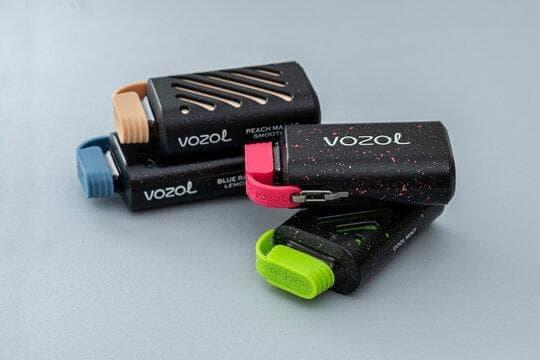 Vape Shop explores the health risks of e-cigarettes while offering harm reduction tips for users” />
E-cigarettes are battery-powered devices that heat a liquid to produce an aerosol commonly called vapor. The e-liquid typically contains propylene glycol (PG), vegetable glycerin (VG), flavorings, and nicotine, although nicotine-free options exist. Devices range from disposable pod systems to refillable box mods. The composition of the aerosol depends on device temperature, coil material, and the e-liquid formulation—factors that influence both user experience and the potential exposure to harmful substances.
The components that matter for health
- Nicotine: an addictive stimulant that affects cardiovascular and neurological systems, especially risky for pregnant people and adolescents.
- Solvents (PG, VG): generally regarded as safe for ingestion but may produce irritants or thermal decomposition products when heated.
- Flavorings: often rated safe for food use but not necessarily for inhalation; some compounds can cause airway irritation or have toxic metabolites.
- Metals and particles: coils and atomizers can release trace metals and ultrafine particles that reach deep into the lungs.
Short-term effects to watch for
Short-term adverse events reported by users include throat and airway irritation, coughing, dizziness, and nausea. Devices operated at high temperatures may increase exposure to aldehydes such as formaldehyde, which have known respiratory toxicity. Clinicians and shop staff should recognize acute reactions and advise customers about device settings, e-liquid selection, and signs that require medical attention.
Long-term uncertainties and documented concerns
Long-term epidemiological data remain limited compared with decades of research on combustible tobacco. However, studies indicate potential risks to cardiovascular health, changes in lung function, and negative impacts on adolescent brain development. The truly long-term outcomes—such as cancer risk from chronic inhalation of flavoring-derived compounds—are still being established. For people switching completely from cigarettes to e-cigarettes, many health experts consider that a reduction in harm is likely compared to continued smoking, but abstinence from all nicotine products remains the healthiest option.
Populations at elevated risk
Specific groups should exercise particular caution: young people, pregnant or breastfeeding people, individuals with cardiovascular disease or chronic respiratory conditions, and people who are nicotine-naïve. A reputable Vape Shop will prioritize counseling customers in these categories and discourage initiation.
Misconceptions and evidence-based corrections
Myth: E-cigarettes are completely harmless. Fact: While often less harmful than combustible cigarettes for established smokers, e-cigarettes are not risk-free and can cause measurable harm.
Myth: Flavors are safe because they are food-grade. Fact: Not all food-grade chemicals are safe to inhale; thermal degradation and chronic inhalation present different exposure pathways.
How to evaluate products at a Vape Shop
When selecting a device or e-liquid, consider these practical criteria: build quality and certifications, transparent ingredient lists, reputable manufacturers, and clear labeling of nicotine strength. Avoid products with contradictory claims, unlabeled additives, or suspicious marketing to minors. A trusted retailer will provide guidance on device maintenance, coil compatibility, and safe battery handling to reduce fire or explosion risks.
- Ask for lab reports or certificates of analysis for nicotine concentration and contaminants when available.
- Choose sealed products from known manufacturers rather than homemade mixes or unregulated imports.
- Prefer devices that allow temperature or wattage control to minimize overheating the e-liquid.
Harm reduction strategies for people who vape
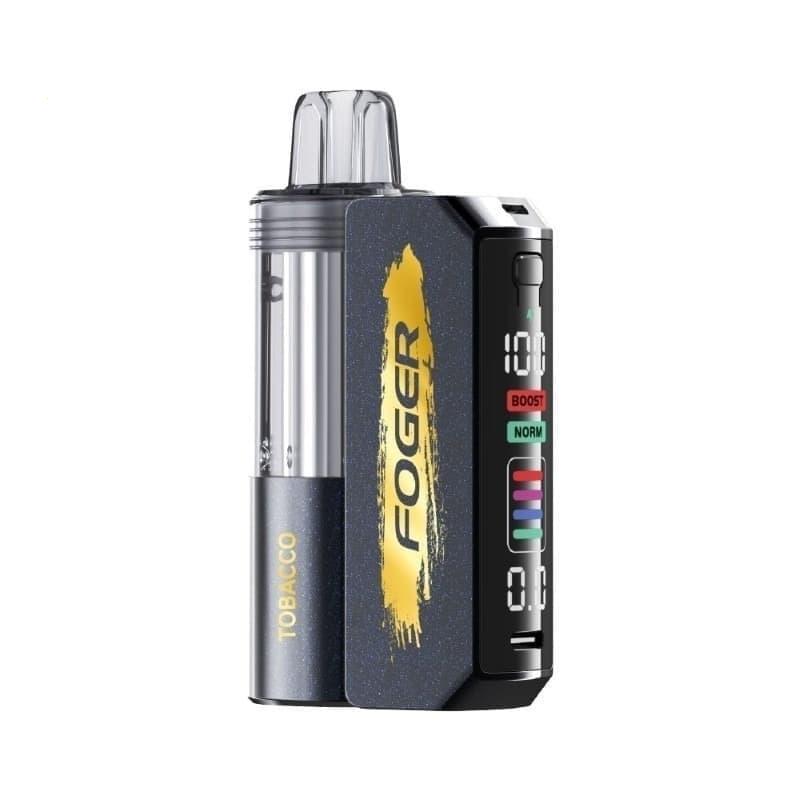
Harm reduction accepts that some people will continue using nicotine and focuses on lower-risk behaviors. Below are targeted, practical steps to reduce exposure to the most concerning elements linked to the health risks of e-cigarettes:
- Prioritize complete switching from combustible tobacco: If you smoke cigarettes, transitioning fully to a regulated e-cigarette product is generally less harmful than continuing to smoke. Dual use (smoking plus vaping) does not eliminate the harms of combustion.
- Use the lowest effective nicotine dose: Choosing an appropriate nicotine concentration helps manage cravings and reduces the frequency of deep inhalations.
- Lower device temperature: Running devices at moderate wattage/temperature produces less thermal degradation and fewer harmful byproducts.
- Choose simpler flavor profiles: Fewer and well-studied flavoring chemicals reduce unknown inhalation risks; avoid flavors with diacetyl or other compounds linked to lung disease when possible.
- Prefer reputable suppliers: Buy from a licensed Vape Shop that offers transparency and product quality assurance.
- Store e-liquids safely: Keep products away from children and pets, and follow manufacturer guidance on disposal.
- Monitor respiratory and cardiovascular symptoms: If you notice persistent cough, chest pain, palpitations, or shortness of breath, seek medical evaluation.
Behavioral tips to reduce intake and dependence
Gradual reduction plans, stepped-down nicotine strengths, and behavioral supports (counseling, digital apps, or quitlines) can help users reduce dependence. Combining pharmacotherapy and behavioral counseling remains the most effective approach for people seeking to quit nicotine entirely.
What clinicians and shop staff should tell customers
Care teams and informed Vape Shop staff should provide balanced, nonjudgmental information: acknowledge relative risk reductions for smokers who switch, emphasize that e-cigarettes are not harmless, and highlight signs of misuse. Staff training on local regulations, labeling requirements, and referral options for cessation services improves the quality of advice customers receive.
Regulation, quality control, and ongoing research
Regulatory oversight varies by country and region. Stricter regulation—enforcing accurate labeling, banning harmful additives, requiring product testing, and limiting youth-targeted marketing—reduces the overall public health risk. Ongoing research into long-term respiratory, cardiovascular, and developmental effects will continue to refine guidance. Retailers who proactively comply with best practices aid both consumer protection and science-based policy development.
Practical checklist before making a purchase
Use this quick checklist at a Vape Shop or online to reduce avoidable risks: verify nicotine content, request manufacturer or lab documentation, confirm device temperature controls and battery specs, choose established brands, avoid suspicious additives, and seek staff guidance if uncertain. Following these steps helps minimize the health risks of e-cigarettes that stem from poor manufacturing and misuse rather than the core concept of vaping.
Creative ways to support people who want to quit
Support can be social, technological, and medical: peer support groups, smartphone apps that track reduction goals, and counseling combined with nicotine replacement therapies. A harm reduction–oriented Vape Shop can act as a bridge, offering products that help smokers transition away from combustibles while pointing them to evidence-based cessation resources.
Environmental considerations
Disposable devices and single-use pods raise environmental concerns. Proper recycling programs, battery disposal, and consumer education on product lifespan contribute to less environmental harm. Choose refillable systems when practical and recycle batteries through designated collection points.
Evidence highlights and what the science says
Key findings from systematic reviews and large cohort studies: for adult smokers, e-cigarettes are associated with increased smoking cessation compared to nicotine-free controls in some trials; cardiovascular biomarkers show mixed changes with some short-term improvements in smokers who switch; respiratory symptoms may improve in former smokers who completely transition, but new-onset symptoms are reported among never-smokers who begin vaping. The overall scientific consensus emphasizes prevention of youth initiation and support for adult smokers seeking less harmful alternatives.
When to seek medical help
Immediate medical attention is recommended for severe chest pain, low oxygen symptoms (e.g., severe breathlessness), syncope, seizures, or unexplained major changes after using an e-cigarette. For less severe but persistent signs—new chronic cough, wheeze, or palpitations—schedule prompt evaluation with a primary care provider.
How a responsible Vape Shop operates
Responsible retailers: enforce age verification, provide clear product information, promote safer device operation, keep detailed batch information, and refer customers to cessation support where appropriate. They avoid marketing that downplays the health risks of e-cigarettes or targets young people with youth-oriented imagery and flavors in areas where that is prohibited.

Summary: practical takeaways
- E-cigarettes are not harmless; weigh their benefits for smoking reduction against potential risks, particularly for vulnerable groups.
- If you smoke and cannot quit, switching completely to a regulated e-cigarette product under informed guidance may lower health risks compared with continued smoking.
- Buy from reputable vendors and follow harm reduction steps—lower temperatures, transparent ingredients, appropriate nicotine levels, and good battery/device maintenance.
- Prevent youth uptake by keeping devices and e-liquids out of reach and supporting strong age-verification policies at the point of sale.
Resources and references
Seek information from national public health agencies, peer-reviewed journals, and professional medical societies for up-to-date recommendations. If in doubt, consult a healthcare professional about nicotine replacement and cessation plans rather than experimenting with unregulated products.
Additional practical tips (quick reference)
- Keep nicotine out of reach of children and pets; even small amounts can be toxic.
- Replace coils at manufacturer-recommended intervals to avoid buildup and overheating.
- Store batteries in protective cases and avoid contact with metal objects.
- Report product defects and adverse events to local health authorities to help build a safety dataset.
FAQ
Q: Are e-cigarettes safer than cigarettes?
A: For adult smokers, switching completely to regulated e-cigarettes is widely considered less harmful than continuing to smoke cigarettes, but e-cigarettes are not risk-free and are not recommended for people who do not already use nicotine.
Q: Can flavors cause lung disease?
A: Certain flavoring chemicals have been associated with lung injury in case reports and in vitro studies. Long-term inhalation risks are not fully known, so minimizing exposure to untested flavoring compounds and avoiding known harmful additives is prudent.
Q: How can I reduce exposure if I continue to vape?
A: Use reputable products, choose lower nicotine strengths, control device temperature, avoid disposable or black-market items, and follow safety guidelines on battery use and storage. Seek medical advice for persistent symptoms.