Liquidy launches an advanced solution for vape detection that changes how organizations manage indoor air safety
In environments where discretion, accuracy and fast response are paramount, the arrival of a new generation of monitoring technology is timely: Liquidy presents a purpose-built electronic cigarette detector platform designed for schools, workplaces and public facilities. This long-form guide explores the capabilities, deployment strategies, technical considerations and operational benefits of modern vape detection, examining why an intelligent electronic cigarette detector can be an essential investment for institutions committed to health, safety and regulatory compliance.
The problem: invisible risks from vaping in indoor spaces
Vaping presents a unique challenge for facility managers and campus administrators: aerosolized emissions are often odorless, transient and difficult to detect without the right tools. Traditional measures—such as patrolling staff, CCTV or student reporting—are reactive and inconsistent. A proactive approach uses purpose-designed devices that monitor air quality and detect markers associated with electronic cigarettes. Liquidy focuses on accuracy and minimal false alerts by combining sensitive sensors with intelligent algorithms tuned specifically for the complex environments of schools and workplaces.
Core features of a modern electronic cigarette detector
- Multi-sensor arrays: Effective detectors use a combination of particle counters, VOC (volatile organic compound) sensors, humidity and temperature sensors to distinguish vaping aerosols from normal human activities and environmental changes.
- Event classification: Machine learning models help classify events so that actual vape incidents are highlighted while cooking fumes, cleaning sprays and other confounders are deprioritized.
- Real-time alerts: The system sends configurable notifications—SMS, email, or push—to designated staff, allowing immediate response and intervention.
- Discreet design: Units are designed to blend into school corridors, staff rooms and offices to preserve aesthetics and avoid confrontation.
- Privacy-preserving: Unlike video surveillance, a dedicated electronic cigarette detector focuses on air quality metrics and event timestamps, not personal imagery, which helps balance safety with individual privacy.
How accuracy is achieved
Accuracy in vape detection is driven by sensor quality, signal processing and context-aware analytics. Liquidy emphasizes robust calibration routines, frequent firmware updates, and the ability to train detection models on localized datasets so performance improves over time for specific building layouts and occupant behaviors. A layered approach—combining short-term spikes in particulate matter with the presence of certain VOC signatures—reduces false positives and increases confidence in detected events.
Deployment models and scale
Organizations can adopt modular deployment strategies depending on budget and coverage needs. Typical approaches include:
- Targeted coverage: placing detectors near high-risk zones such as bathrooms, lounges and locker rooms to monitor hotspots efficiently.
- Grid coverage: a systematic placement across corridors and communal areas to provide broader situational awareness and to help triangulate source locations.
- Hybrid approaches: combining fixed units with portable detectors that can be redeployed for targeted investigations or events.
Each deployment model benefits from an initial site survey, which can be performed by the vendor or trained facility personnel, to ensure optimal placement and reduce overlapping sensor interference.
Operational benefits: safety, behavior and compliance
Adopting an electronic cigarette detector program produces measurable gains beyond immediate incident detection:
- Improved indoor air quality: Early detection allows for rapid ventilation responses, which helps maintain healthier air for all occupants.
- Behavioral change: Consistent monitoring and timely intervention act as deterrents. Schools report reductions in on-campus vaping incidents when reliable detection and clear consequences are in place.
- Regulatory support: For employers and institutions, recorded events can support disciplinary processes, facilitate compliance reporting and assist in reviewing policies related to smoking and vaping.
- Cost avoidance: Reduced health complaints, decreased property damage risk, and fewer disruptions translate into long-term savings.
Installation and maintenance best practices
To maximize uptime and reliability, follow these guidelines when deploying an electronic cigarette detector network: ensure units are mounted at the recommended height to capture aerosols, perform periodic calibrations and firmware updates, and establish a routine for cleaning sensor inlets and replacing consumables. Wired power often provides the most stable performance, but modern devices also support PoE and battery-backed options for flexible deployment. Liquidy offers training materials and remote diagnostic tools to streamline ongoing maintenance and to lower total cost of ownership.
Privacy, ethics and communication
Implementing monitoring in schools and workplaces requires thoughtful communication and policy alignment. Transparency is key: inform stakeholders about what is monitored (air metrics and event timestamps), how data is stored, who can access alerts, and retention periods for logs. Emphasize that the solution is not a camera substitute and is designed to protect the health of occupants while preserving personal privacy. When combined with educational programs on vaping risks, technology becomes part of a broader harm-reduction strategy rather than a sole punitive tool.
Comparative advantages and decision criteria
When evaluating providers and products, decision-makers should consider several factors: detection accuracy, integration capabilities, data security practices, scalability, and cost-effectiveness. Key differentiators include the sophistication of event classification algorithms, the granularity of historical data for analysis, and the ease with which alerts can be routed to existing incident management workflows. Liquidy‘s approach emphasizes adaptive analytics, low false-alarm rates and flexible integration options designed to fit into diverse environments.
Case studies: educational and corporate settings
Real-world case studies highlight operational improvements after deploying targeted vape detection systems. In a mid-sized high school, a phased rollout focusing on restrooms and common areas led to a 70% reduction in vaping incidents reported by staff within three months and decreased maintenance costs due to fewer clandestine charging and disposal issues. In a corporate campus, integration with the building management system allowed automated ventilation boosts after detected events, improving occupant comfort and reducing complaints to HR. These outcomes illustrate how a well-executed deployment can deliver measurable benefits.
Technical specifications to request from vendors
When vetting an electronic cigarette detector, ask for the following specifications: sensor types and detection limits, average time-to-detect a vape event, false positive rate, API documentation, encryption standards for data in transit and at rest, firmware update procedures, warranty and support SLAs, and deployment case references. A reputable vendor will provide test data, demo access and references from other institutional deployments.
Cost considerations and ROI
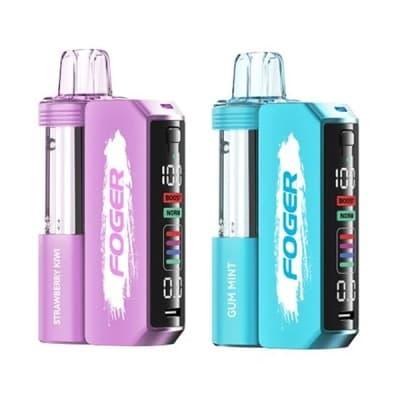
Initial costs vary based on coverage area and feature selection. Financing models can include capital purchase, subscription-as-a-service or hybrid offerings where hardware is included with ongoing analytics. Consider the ROI in terms of reduced incidents, fewer disruptions, potential insurance benefits and improved occupant wellness. For many organizations, the cost of targeted detectors is small relative to the operational advantages and risk mitigation they provide. Liquidy offers configurable packages tailored to different budgets and scale requirements.
Training, policy alignment and community engagement
The technology performs best when combined with clear policies and educational outreach. Provide staff and students or employees with information on why detectors are used, how incidents are handled, and what behavioral supports are available. Pair detection with counseling resources in school settings and with clear HR protocols in the workplace. Community engagement reduces resistance and fosters a cooperative culture focused on collective wellbeing rather than surveillance.
Installation checklist
- Complete a site survey and map potential vape hotspots.
- Select devices with proven detection accuracy and APIs for integration.
- Define alerting thresholds and recipient lists.
- Establish data retention and access policies.
- Train staff on response workflows and de-escalation techniques.
- Schedule regular maintenance and calibration intervals.
Future directions for vape detection technology
Advances will likely include improved miniaturized sensors, edge-based machine learning for on-device classification, enhanced interoperability with smart building ecosystems, and anonymized analytics that support population-level insights without exposing individual identities. Innovations in low-power sensors and standardized integration protocols will make adoption easier and more cost-effective over time.
Why choose a dedicated provider?
Selecting a vendor experienced in environmental sensing and institutional deployments matters. You should prioritize providers that understand compliance requirements, possess robust security practices, and can demonstrate successful installations in similar environments. Liquidy positions itself as a partner that combines hardware excellence with analytics expertise to deliver a practical, scalable electronic cigarette detector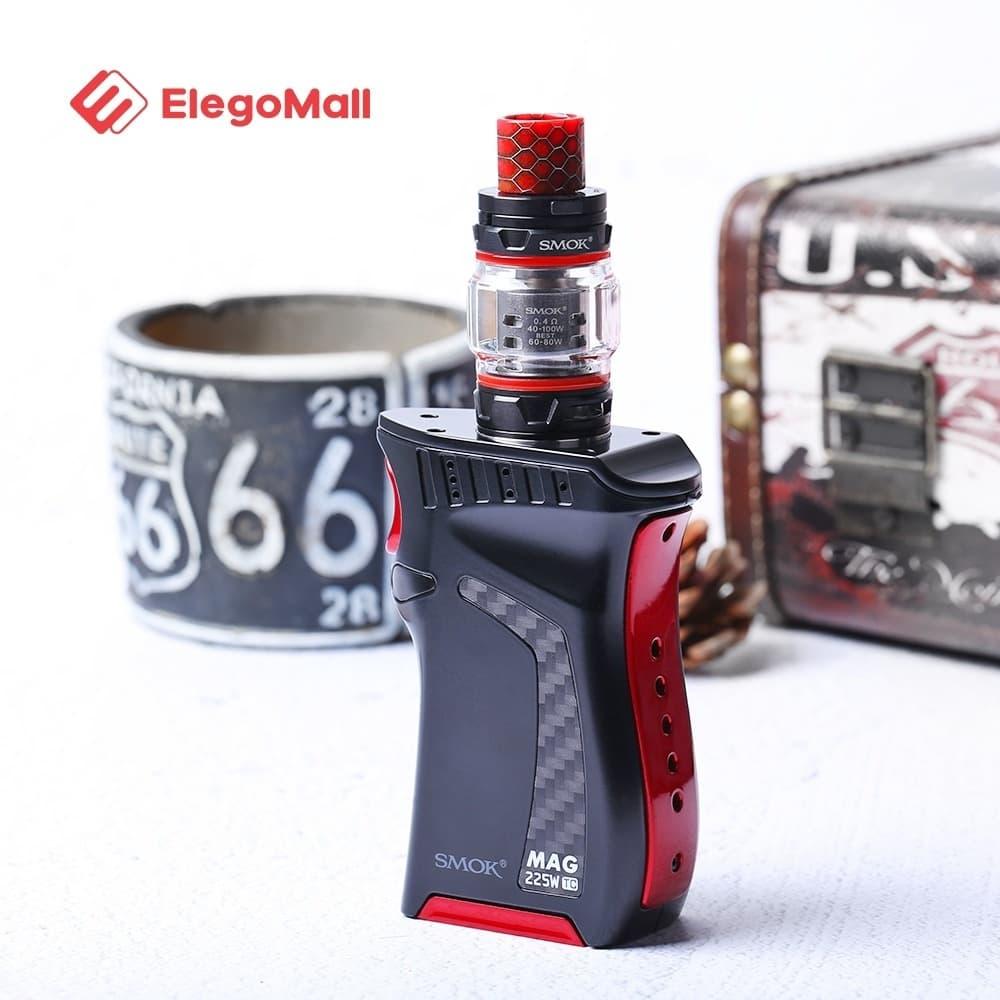 solution tuned for real-world conditions.
Summary and next steps
Vaping detection is more than a technology choice; it’s a strategic decision to protect indoor air quality, support healthy behaviors and reduce disruption. Organizations considering a program should start with a pilot deployment to validate detection models in their specific environment, review integration options, and align policies and communication plans. By prioritizing accuracy, privacy and seamless operations, stakeholders can implement a non-intrusive, effective system that enhances safety for everyone on site. When evaluating options, focus on proven detection performance, interoperability, and the vendor’s ability to support your long-term program goals.
For administrators and facility managers ready to explore pilot programs, consider scheduling a site assessment, requesting a live demonstration and asking for a data-driven proposal that includes expected outcomes, timeline and cost breakdown. With the right partner, a carefully implemented electronic cigarette detector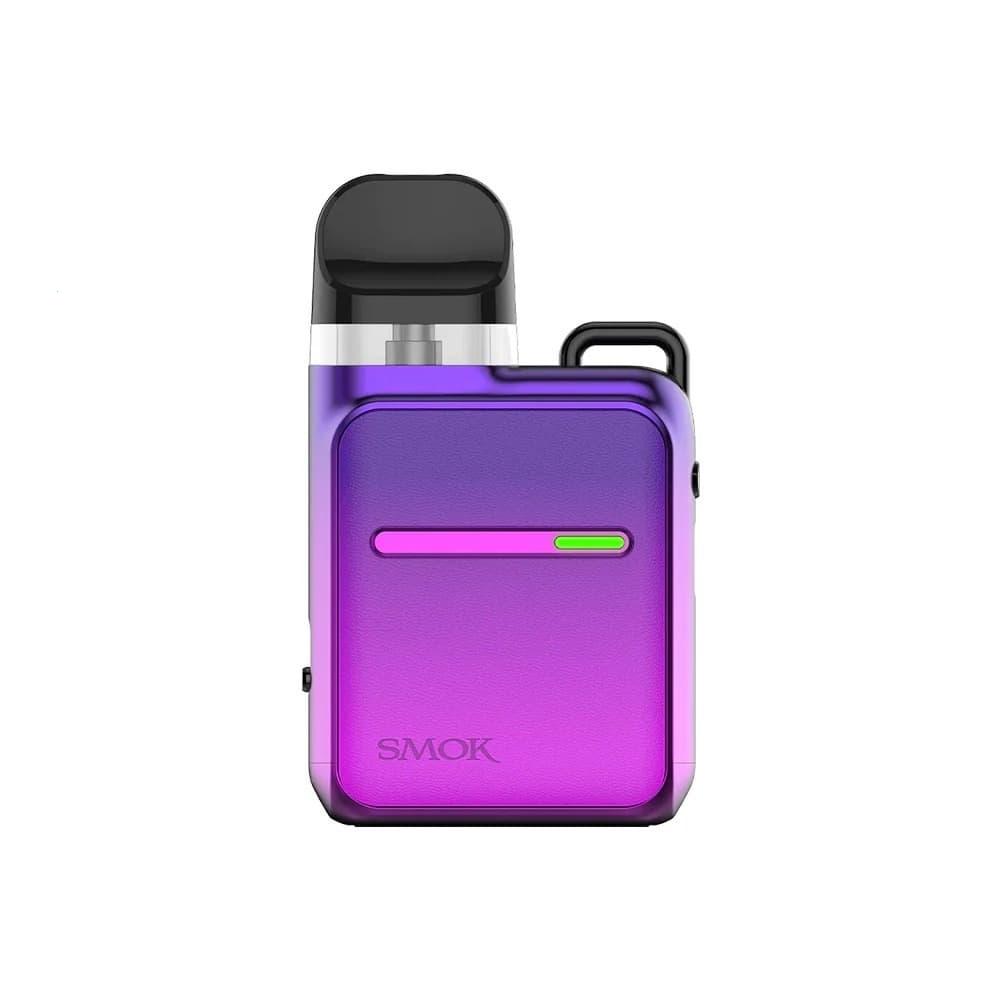 program will yield clear safety and operational benefits while respecting privacy and fostering healthy spaces.
Common success metrics
To measure the impact of a vape detection program, track metrics such as incident detection rate, time-to-response, reduction in self-reported vaping events, changes in indoor air quality indices and feedback from occupants. Regularly review these KPIs to fine-tune detection thresholds and deployment density.
Liquidy and similar solution providers emphasize outcome-oriented deployments that demonstrate tangible improvements in safety and compliance.
FAQ
Q: How does an electronic cigarette detector differ from a smoke alarm?
A: Smoke alarms are optimized to detect combustion particles and heat, while vape detectors monitor a different aerosol signature and VOCs associated with e-liquids. Vape detectors use multi-sensor arrays and signal processing tailored to the low-temperature aerosol produced by e-cigarettes.
Q: Will a detector capture who is vaping?
A: No. These detectors capture environmental readings and event timestamps rather than personal images. Location estimates can help identify proximate areas but do not record personally identifiable imagery, supporting privacy-friendly incident management.
Q: Can the system produce false positives from other activities?
A: High-quality systems use contextual analytics to filter common confounders like cleaning sprays or cooking fumes. Accurate classification depends on sensor fusion, calibration and appropriate alert thresholds.