Practical Approaches for a Responsible vape shop Environment
Managing indoor air quality and minimizing exposure is a core responsibility for any retail environment that sells and showcases vapor products. Operators and managers of a vape shop need to understand how to reduce electronic cigarette secondhand smoke concerns while maintaining a welcoming experience for customers. This extensive guide explores evidence-based strategies, store layout tactics, staff training programs, engineering controls, and community communication plans that together form a robust plan for reducing airborne contaminants related to vaping.
Why Targeting Electronic Cigarette Secondhand Smoke Matters
Concerns about electronic cigarette secondhand smoke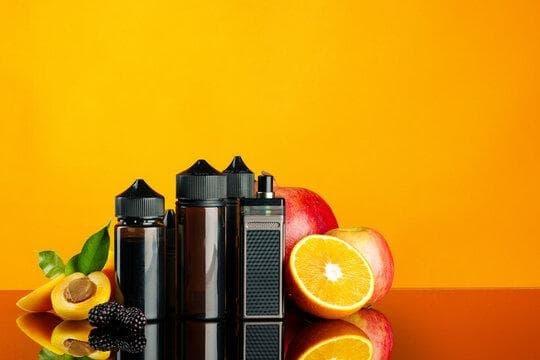 arise from the aerosol produced by vaping devices that may contain nicotine, volatile organic compounds, ultrafine particles, and flavoring agents. Although aerosols differ from cigarette smoke, their presence in shared spaces can affect non-vapers, staff, and sensitive populations. A responsible vape shop strategy recognizes these risks and implements practical countermeasures that protect health, comply with local regulation, and improve customer satisfaction.
Core Principles to Reduce Exposure
- Source control: Encourage responsible product use, restrict in-store demonstration to designated, well-ventilated areas, and offer samples via non-aerosol methods when possible.
- Engineering controls: Optimize ventilation, use targeted exhaust, and deploy air cleaning technologies where appropriate.
- Administrative controls: Create and enforce store policies, staff protocols, and signage to manage when and where vaping occurs.
- Education and communication: Inform customers about the reasons for policies and the measures you take to ensure a safe environment.
Design and Layout: Reduce Cross-Contamination
Smart spatial design reduces the spread of exhaled aerosol. Place demonstration counters away from the main retail floor, install physical barriers when demonstrations are necessary, and position registers and seating areas so that emissions do not flow toward staff. A vape shop that separates product displays from test areas can effectively limit exposure to electronic cigarette secondhand smoke.
Ventilation Strategies That Work
Ventilation is the single most effective engineering control for reducing airborne aerosols. Strategies include:
- Increase fresh air exchange: Raise outdoor air intake where climate and HVAC capacity allow, aiming for higher air changes per hour (ACH) in demonstration zones.
- Local exhaust: Install hoods or localized exhaust systems at demonstration counters to capture aerosol source emissions directly.
- Optimize airflow patterns: Ensure supply air is introduced in a way that sweeps contaminants away from occupants and toward exhaust points.
When describing these options to stakeholders, emphasize that well-designed ventilation reduces concentrations of electronic cigarette secondhand smoke and improves overall comfort.
Air Cleaning Technologies: What to Consider
Supplementing ventilation with air cleaners can be valuable, but devices vary in effectiveness. Consider the following:
- HEPA filtration: Captures ultrafine particles, which are a major component of aerosols; choose units sized for the demonstration area’s volume.
- Activated carbon: Helps reduce odors and volatile organics; useful in combination with HEPA systems.
- UV-C and advanced oxidation: These can neutralize microbes and some chemicals but require careful selection and professional installation to avoid harmful byproducts.
Combine engineering solutions with administrative policies: airy space plus clear rules reduces electronic cigarette secondhand smoke more than either approach alone.
Policy and Operational Controls
Clear policies protect staff and customers while simplifying enforcement. A well-crafted policy should:
- Define where vaping is allowed (if at all) and under what conditions.
- Outline demonstration procedures, including how devices are prepared and how long demonstrations may run.
- State cleaning protocols for surfaces and air-handling equipment to remove residues associated with vaping.
- Provide staff with scripted language to explain policies calmly and professionally to customers.
Policies that incorporate scientific reasoning about reducing electronic cigarette secondhand smoke are easier to communicate and enforce in a vape shop context.
Staff Training: The Human Factor
Thorough training empowers employees to implement controls consistently. Training modules should include:
- Health and safety basics about aerosol exposure and how it differs from tobacco smoke.
- Operation and maintenance of ventilation and air cleaning devices.
- Customer service skills for handling policy reminders, including de-escalation techniques.
- Recording incidents, customer requests, and ventilation performance logs.
Well-trained staff can explain why policies exist, such as reducing electronic cigarette secondhand smoke in enclosed spaces, and they can adapt practices to minimize surrogate risks like flavor residue or strong odors.
Communicating with Customers
Transparent communication increases compliance. Effective tactics include:
- Visible signage that is polite, concise, and explains the rationale for restrictions (e.g., to protect staff and non-vaping customers from electronic cigarette secondhand smoke).
- Informational leaflets or QR codes linking to trusted sources about vaping aerosols and mitigation strategies.
- Incentives for compliance, such as loyalty points for customers who test products off-site or during scheduled demo hours.
Customers are more receptive when they understand that measures are for shared wellbeing rather than punitive control.
Measuring Air Quality and Evaluating Performance
Objective measurements demonstrate whether mitigation steps are working. Useful metrics and tools include:
- Particle counters: Measure ultrafine and fine particle concentration spikes during demonstrations to identify hotspots.
- CO2 monitors: Serve as proxies for ventilation effectiveness; high CO2 indicates inadequate fresh air exchange.
- Volatile organic compound (VOC) sensors: Detect chemical traces associated with flavorings and solvents.
Regular monitoring provides data-driven justification for upgrades and informs maintenance schedules. Documenting improvements also demonstrates to regulators and the community that your vape shop takes electronic cigarette secondhand smoke reduction seriously.
Maintenance and Housekeeping
Routine cleaning and filter replacement maintain the effectiveness of engineering controls. Key tasks:
- Replace HVAC and portable unit filters per manufacturer guidelines.
- Clean demo equipment to avoid contaminant buildup that can re-offgas into the air.
- Schedule periodic professional maintenance for exhaust systems to ensure peak capture efficiency.
Proactive housekeeping prevents long-term accumulation of residues that can contribute to persistent odors or low-level electronic cigarette secondhand smoke exposure.
Product Stewardship and Demonstration Best Practices
A vape shop can reduce airborne emissions by altering how product demos are conducted:
- Use closed-system demonstrations when possible, or sealed sample approaches that avoid aerosol release into general areas.
- Prefer short, controlled puffs during demos and provide pre-filled disposable testers for customers to try off-site rather than in-store inhalation demonstrations.
- Train demonstrators to keep devices pointing away from others and to use local capture when producing vapor for demonstration.
These tactical changes minimize the volume and persistence of electronic cigarette secondhand smoke within a shop.
Legal Compliance and Policy Alignment
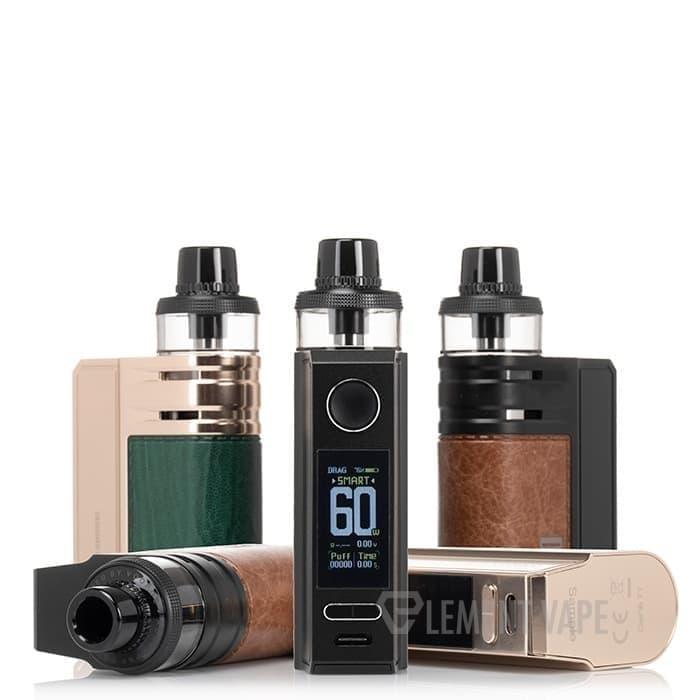
Local regulations often define where vaping is allowed. Remaining compliant requires keeping up-to-date with municipal and national law, and adapting store policies accordingly. A compliance checklist may include:
- Monitoring smoke-free laws that explicitly include or exclude vaping.
- Documenting ventilation metrics and staff training records to demonstrate proactive management.
- Working with legal counsel to craft customer-facing policies that align with regulations while addressing health and business needs.
Regulatory alignment reduces risk and supports community trust in your vape shop approach to mitigating electronic cigarette secondhand smoke.
Community Engagement and Reputation Management
Public perception influences business success. Steps to build credibility include:
- Hosting community forums or informational sessions about indoor air quality and vaping science.
- Partnering with local health organizations to present balanced information and mitigation strategies.
- Showcasing your shop’s air quality data and policy documents in-store or online to demonstrate transparency.
Active engagement positions your vape shop as a responsible stakeholder committed to minimizing electronic cigarette secondhand smoke impacts in shared spaces.
Case Studies and Real-World Examples
Several independent retailers have successfully reduced exposure by integrating the strategies above. Common successful elements include designated demo cubicles with dedicated exhaust, portable HEPA units used during busy periods, and strict but friendly signage. These shops report fewer complaints, improved staff wellbeing, and stronger local reputations.
Checklist: Quick Action Plan for Any Retailer
- Audit store layout and identify demo zones that need containment.
- Increase ventilation where possible and install local exhaust at demonstration points.
- Deploy portable HEPA + carbon units in demonstration and seating areas.
- Create and post clear policies about where and how vaping may occur.
- Train staff on safety, customer communication, and equipment maintenance.
- Monitor air quality periodically and document results.
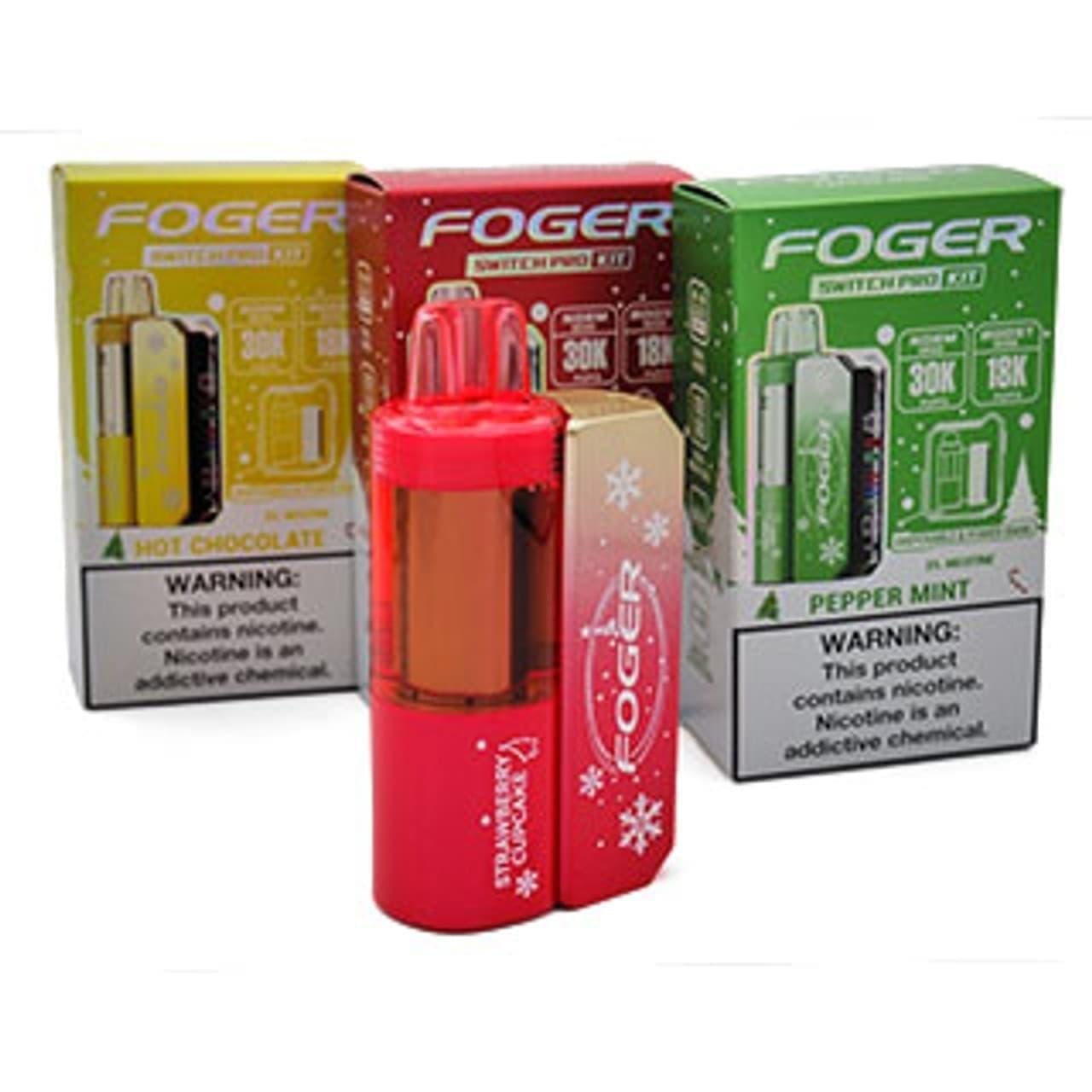
Following this checklist will reduce the likelihood of persistent electronic cigarette secondhand smoke and improve the operational resilience of your vape shop.
Common Misconceptions and Evidence-Based Responses
Addressing myths helps customers and staff adopt better practices. Common misconceptions include:
- “Vapor is just water vapor.” Scientific measurements show aerosols carry particles and chemicals; proper ventilation and capture reduce exposure.
- “A little vaping is harmless to bystanders.” While single exposures may be lower risk than cigarette smoke, repeated exposure in enclosed spaces can accumulate particulates and VOCs.
- “Air fresheners solve the problem.”strong>
Counter these myths with measured data and practical steps that reduce both visual aerosol and chemical traces.
In conclusion, a comprehensive plan that combines source control, optimized ventilation, air cleaning technology, clear policy, staff training, and community communication will significantly reduce concerns about electronic cigarette secondhand smoke in retail environments. A proactive vape shop can foster a safer, more comfortable space for customers and employees while protecting business interests and complying with evolving regulations.
Next Steps for Implementation
Start with a simple walk-through audit, implement no-cost administrative changes, and then invest in engineering controls based on measured needs. Prioritize training and communication so the entire team understands why changes are being made and can participate in enforcement and improvement. Regularly revisit performance metrics and adjust systems to maintain high air quality standards over time.
By following these layered strategies, retailers can responsibly balance product demonstration and customer experience with the important goal of minimizing electronic cigarette secondhand smoke exposure in shared indoor spaces. These steps safeguard health, simplify compliance with local rules, and enhance customer confidence in your vape shop.
FAQ
Q: Can ventilation alone eliminate electronic cigarette secondhand smoke?
A: Ventilation greatly reduces aerosol concentration but is most effective when combined with source controls, policy limits, and air cleaning technologies. A layered approach is recommended.
Q: Are portable HEPA air purifiers worth the investment for a vape shop?
A: Yes, when sized correctly and used alongside good ventilation and maintenance, HEPA units capture ultrafine particles that contribute to aerosol exposure and can improve perceived air quality.
Q: How should staff handle customers who ignore in-store vaping policies?
A: Train staff in calm, standardized communication techniques and have a clear escalation protocol. Document interactions and enforce policies consistently to maintain fairness and safety.