Kicking the smoking habit can be one of the most challenging endeavors for any smoker. However, with the advent of electronic cigarettes for quitting smoking, many have found a viable alternative to traditional methods. These devices offer a way to reduce nicotine dependency in a step-by-step process that many find manageable without the harsh withdrawal symptoms. Electronic cigarettes, or e-cigarettes, work by heating a liquid containing nicotine and other flavorings to create an aerosol that users inhale. This method simulates the experience of smoking, which can significantly aid in reducing cravings.
Understanding Electronic Cigarettes: A Brief Overview
Electronic cigarettes do not contain tobacco, which is a primary cause of the harmful effects associated with traditional smoking. Instead, they use e-liquid that may contain nicotine and a number of flavorings, allowing users to choose their preferences. This personalization aspect is particularly attractive to users seeking a gradual transition away from smoking.
Main Components of Electronic Cigarettes
- Battery: It provides power to heat the liquid.
- Atomizer: Heats the liquid to create vapor.
- Cartridge or Tank: Holds the e-liquid.
The modularity of these devices often means users can adjust nicotine levels, which is crucial in reducing dependency gradually.
Why Choose Electronic Cigarettes for Smoking Cessation?
Several studies suggest that electronic cigarettes for quitting smoking can be more effective than traditional nicotine replacement therapies such as gums and patches. One significant advantage is the ability to mimic the hand-to-mouth ritual that many smokers miss, offering a behavioral replacement that complements nicotine tapering efforts.
Health Benefits of Using E-Cigarettes
While no smoking alternative is entirely risk-free, e-cigarettes generally contain fewer toxins compared to the thousands found in cigarette smoke. They eliminate exposure to tar and carbon monoxide, two of the most harmful substances in cigarettes. This reduction in harmful exposure can result in improved respiratory and cardiovascular health over time.
Steps to Transition Smoothly with Electronic Cigarettes
Successfully switching to electronic cigarettes involves setting clear goals and finding the right device and e-liquid. Begin by choosing an e-cigarette that feels comfortable and offers the necessary nicotine levels. Gradually reduce nicotine concentration in e-liquids as you become accustomed to less nicotine intake. Consistent adherence to these steps can lead to freedom from nicotine addiction.
Tailoring Your Experience
Since every smoker’s journey is unique, the availability of diverse flavors and nicotine strengths in e-liquids offers a personalized and enjoyable smoking cessation experience. This customizable approach makes it easier for users to find a solution that works best for them.
Addressing Concerns and Misconceptions
Despite the positive outlook of using electronic cigarettes for quitting smoking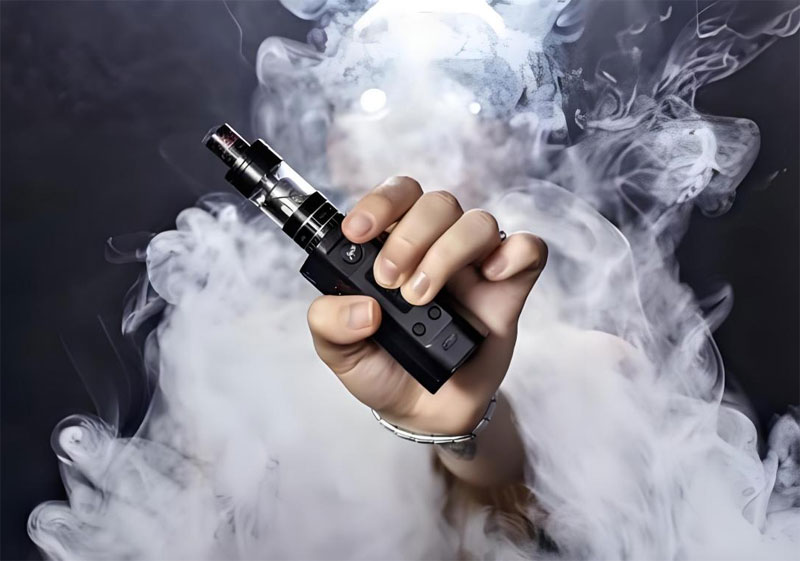 , common concerns such as health impacts and long-term efficacy persist. It’s important to consider medical advice and consult reputable sources when considering e-cigarettes.

FAQs
Q: Are electronic cigarettes entirely safe?
A: While e-cigarettes are generally safer than traditional cigarettes, they are not without risk. It’s vital to recognize they are a tool for harm reduction rather than a completely risk-free option.
Q: How do I choose the right nicotine strength?
A: When first transitioning, gauge your smoking habits. Heavier smokers may start with higher nicotine levels, gradually decreasing as they adapt to the e-cigarette.
Q: Can I quit smoking completely using e-cigarettes?
A: Many have successfully quit smoking altogether by gradually reducing nicotine intake through e-cigarettes. However, individual results can vary, and additional behavioral support may increase success rates.