The landscape of tobacco consumption is changing rapidly, and with it, the regulations governing e-cigarettes. Malaysia is no exception, and as we approach 2025, understanding the evolving e-cigarette import regulations in Malaysia becomes increasingly crucial for importers, retailers, and consumers. This article delves into what to expect regarding Malaysia’s e-cigarette market and its regulatory framework.
Background of E-Cigarette Regulations in Malaysia
Electronic cigarettes, or e-cigarettes, have been part of Malaysia’s tobacco market for over a decade. However, the government has continually adapted its policies to address health concerns and market dynamics. Previously, restrictions focused on the nicotine content in e-liquids and safety standards for devices. Yet, as the 2025 deadline approaches, more stringent regulations are anticipated to ensure consumer safety and control market practices.
Why Are Changes Anticipated by 2025?
The anticipated changes in Malaysia’s e-cigarette import regulations for 2025 are largely driven by global trends and rising awareness of health implications. With countries around the world tightening rules around e-cigarette sales and distribution, Malaysia is expected to align its policies to maintain public health standards and manage the influx of contraband products.
Key Components of Upcoming Regulations
- Registration and Licensing: All e-cigarette products entering Malaysia are expected to undergo rigorous scrutiny. Importers will need licenses and must provide detailed documentation about product safety and composition.
- Nicotine Restrictions: While nicotine concentration limits have been in place, limits might become stricter, reflecting global standards. The maximum allowed nicotine concentration could be further reduced to minimize addictive risks.
- Packaging and Labeling:
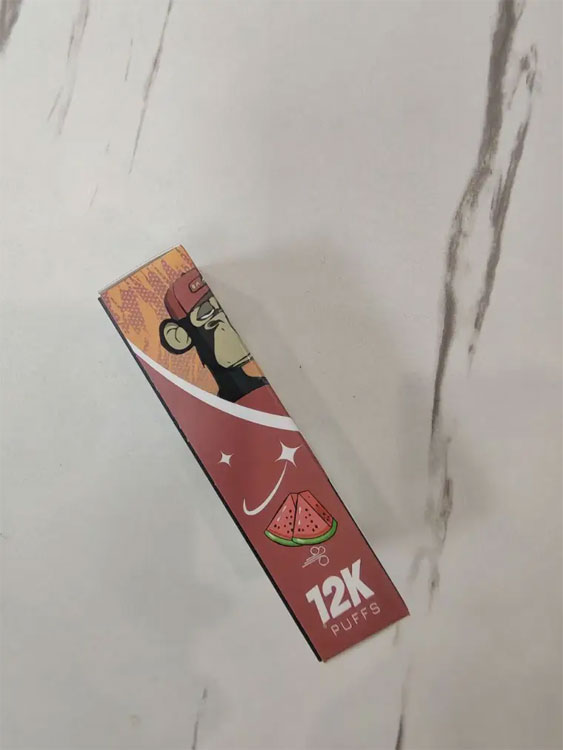
 New laws may introduce obligatory health warnings on packaging. Moreover, child-proof packaging is likely to become mandatory, reinforcing consumer protection efforts.
Impact on Importers and Retailers
These new regulations will require significant adjustments from both importers and retailers. For importers, the need for comprehensive documentation and product registration will demand more rigorous compliance mechanisms. Retailers will have to adapt their inventory to meet the new standards, possibly reducing product variety but ensuring customer safety.
Many industry experts believe that while these regulations might initially disrupt market operations, they will ultimately foster a safer, more reliable consumer environment.
Consumer Considerations
For consumers, particularly those accustomed to a wide array of choices in flavors and nicotine strengths, these regulations might feel restrictive. However, the focus on safety and quality assurance can enhance consumer trust and satisfaction over the long term. Understanding the rationale behind these regulations is essential for consumers to appreciate the broader public health objectives.
Looking Ahead to 2025
As 2025 approaches, stakeholders in Malaysia’s e-cigarette market must prepare for a regulatory environment that prioritizes health and safety. Importers and retailers must stay informed and proactive, while consumers should remain aware of how these changes impact their choices and health.
Frequently Asked Questions (FAQ)
- Will all e-cigarette products be banned in Malaysia by 2025? No, the focus is on regulated import, sales, and use rather than an outright ban. The government aims to implement stringent standards to ensure consumer safety.
- How will these regulations affect e-liquid flavors? While certain flavorings may face restrictions, the primary focus is on safety. Products containing harmful additives will be under scrutiny.
- What should importers do to comply with new regulations? Importers should start gathering extensive product documentation, prepare for stringent registration processes, and stay updated on regulatory changes.
By understanding these impending regulations, stakeholders can navigate the changes effectively, ensuring compliance and continued business operation.