The realm of e-cigarettes is often shrouded in myths and misconceptions. Among the most common beliefs is that most e-cigarettes only contain water and flavoring. While e-cigarettes have gained popularity as an alternative to traditional smoking, understanding their actual composition is crucial for consumers aiming for a healthier lifestyle. So, what are e-cigarettes made of, and do they really just contain water and flavoring?
Ingredients Breakdown
At their core, e-cigarettes, also known as vape pens or electronic nicotine delivery systems, work by heating a liquid to produce an aerosol, or vapor, that users inhale. This liquid, commonly referred to as e-liquid or vape juice, does indeed contain water and flavoring, but it also typically includes other components like propylene glycol (PG), vegetable glycerin (VG), and nicotine.
Water and Flavoring
Water forms a part of the e-liquid to offer the right consistency and vaporization properties. Many users believe that this water is the primary component; however, it usually constitutes a small fraction of the liquid. Flavoring agents are added to provide a pleasant taste and aroma, available in a myriad of options, from fruity to dessert-like flavors, aiming to enhance the user’s experience.
The Role of Propylene Glycol and Vegetable Glycerin
Propylene glycol and vegetable glycerin are critical to the e-cigarette experience. PG is a colorless, odorless liquid that serves as a carrier for the flavoring and nicotine, providing the “throat hit” that simulates the sensation of smoking. On the other hand, VG is thicker and produces vapor clouds, contributing to the overall sensory feel. The balance between PG and VG in the e-liquid determines the viscosity, vapor production, and flavor delivery.
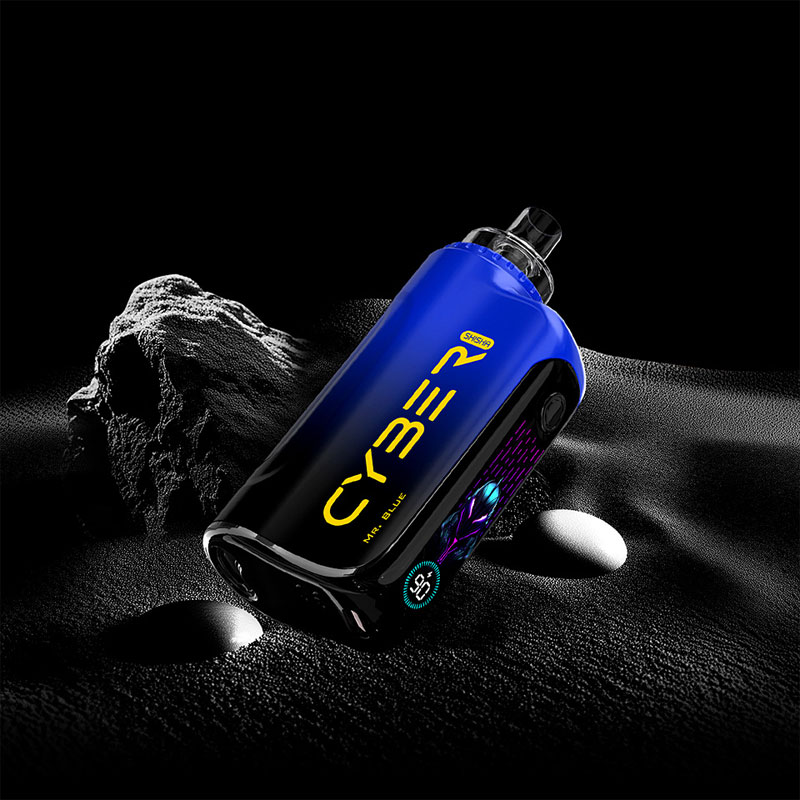
The Nicotine Factor
Contrary to the simplified view that e-cigarettes are merely flavored water, nicotine is frequently an integral part of the mix. Nicotine levels can vary significantly across products, catering to different preferences and helping those looking to reduce nicotine dependency gradually. Some e-liquids contain little to no nicotine, while others can have high concentrations. Understanding one’s nicotine needs is essential when choosing e-cigarette products.
Myth Debunked
While the belief that most e-cigarettes only contain water and flavoring is widespread, it significantly downplays the complex mixture of chemicals in the e-liquid. Educating oneself on the ingredients helps in making informed decisions and understanding the health implications of e-cigarette use.
Potential Health Considerations
The composition of e-cigarettes raises questions about their safety and health impacts. Although they are considered less harmful than traditional cigarettes, particularly due to the absence of tar and some harmful by-products of combustion, it’s crucial to consider the long-term effects of inhaling propylene glycol, vegetable glycerin, and nicotine. Research is ongoing to determine the full scope of these impacts.
- Frequent Misunderstanding: Believing that vaping is just inhaling flavored mist oversimplifies its potential effects on health.
- Regulatory Perspective: Regulatory bodies like the FDA are instituting measures to ensure the safety and transparency of e-cigarette products.
- Consumer Education: It’s essential for users to scrutinize the labels on e-liquids for a better understanding of what they are inhaling.
FAQs
Q: Are e-cigarettes safer than traditional cigarettes?
A: E-cigarettes are generally considered less harmful than traditional cigarettes because they don’t involve combustion, which releases multiple carcinogens. However, they are not completely risk-free.
Q: Can I use e-cigarettes to quit smoking?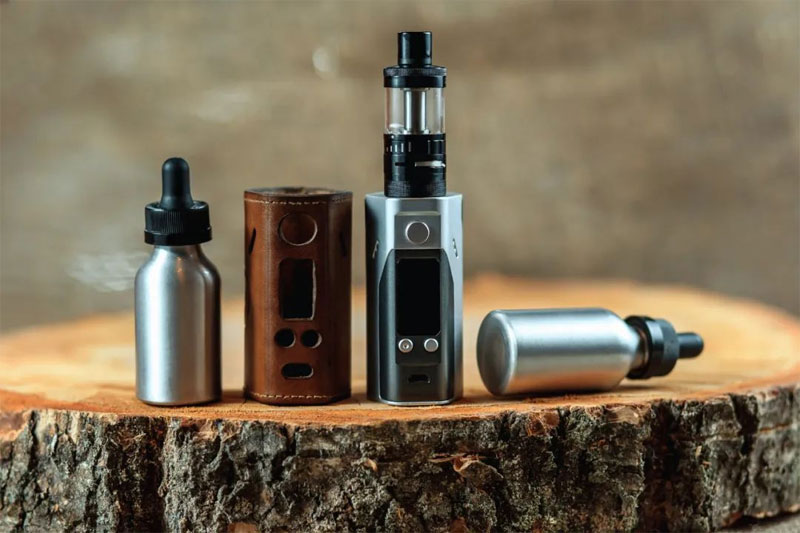
A: Many people use e-cigarettes as a part of a smoking cessation plan. They offer the flexibility of reduced nicotine levels, which can help in gradually weaning off the addiction. Consultation with a healthcare provider is recommended for personalized advice.
Q: What should I look for in an e-cigarette product?
A: Look for transparent labeling on ingredients, nicotine levels, and manufacturing standards. It’s also wise to purchase from a reputable brand that complies with safety regulations.