Singapore’s stance on e-cigarettes is unequivocal: they are banned. The sale, import, and use of e-cigarettes in the city-state are strictly prohibited under the nation’s stringent laws. Singapore is known for its rigorous health regulations and its proactive measures in controlling substances considered detrimental to public well-being.
Understanding the Ban on E-Cigarettes in Singapore
The primary reason e-cigarettes are disallowed in Singapore is due to health concerns. The government maintains that allowing e-cigarettes could undermine the efforts in reducing tobacco use among the populace.
E-cigarettes, often marketed as a less harmful alternative to traditional smoking, still pose significant health risks. The health authorities in Singapore argue that the long-term effects of inhaling vaporized nicotine and other chemicals found in e-cigarettes are still not entirely understood, making their use a public health risk. Furthermore, there is evidence suggesting that e-cigarettes could act as a gateway to traditional cigarette smoking, particularly among young people.
The Legal Framework
The ban in Singapore is enforced through several legislative measures. According to the Tobacco (Control of Advertisements and Sale) Act, the importation, distribution, sale, or offer for sale of any imitation tobacco product is prohibited. This includes e-cigarettes. Violation of this law can result in hefty fines and even imprisonment.
Under the Health Sciences Authority (HSA), enforcement is strict, with significant penalties imposed on those caught in violation. For instance, individuals found guilty of importing e-cigarettes are liable to a fine of up to SGD 10,000 or imprisonment of up to 6 months, or both for the first offense. For repeat offenders, the penalties intensify, doubling the fines and potential imprisonment duration.
Public Health Considerations
The Singapore government’s decision to ban e-cigarettes is part of a broader public health strategy. This includes efforts to reduce smoking prevalence and to protect youth from potential nicotine addiction. While e-cigarettes might not produce traditional smoke, the health risks associated with their use are considered significant enough to warrant prohibition.
Singapore also takes part in global initiatives to combat the proliferation of tobacco and nicotine products. The country is a signatory to the World Health Organization’s Framework Convention on Tobacco Control, which provides a blueprint for stamping out smoking and tobacco use worldwide.

The Impact of the Ban
Singapore’s stringent measures reflect its commitment to public health. By maintaining this ban, the government aims to deter the use of tobacco products in all its forms, thereby reducing the overall health burden on its citizens.
Surveys indicate that the ban on e-cigarettes is supported by a significant portion of the population, who perceive it as a positive move towards a smoke-free environment. Despite some criticisms about personal freedom and choice, the general consensus aligns with health authorities’ stance on prioritizing public health.
Frequently Asked Questions
Are there any exceptions to the e-cigarette ban in Singapore?
Currently, there are no legal exceptions to the e-cigarette ban in Singapore. All forms of sale, import, and distribution are strictly restricted.
What happens if I am found with an e-cigarette in Singapore?
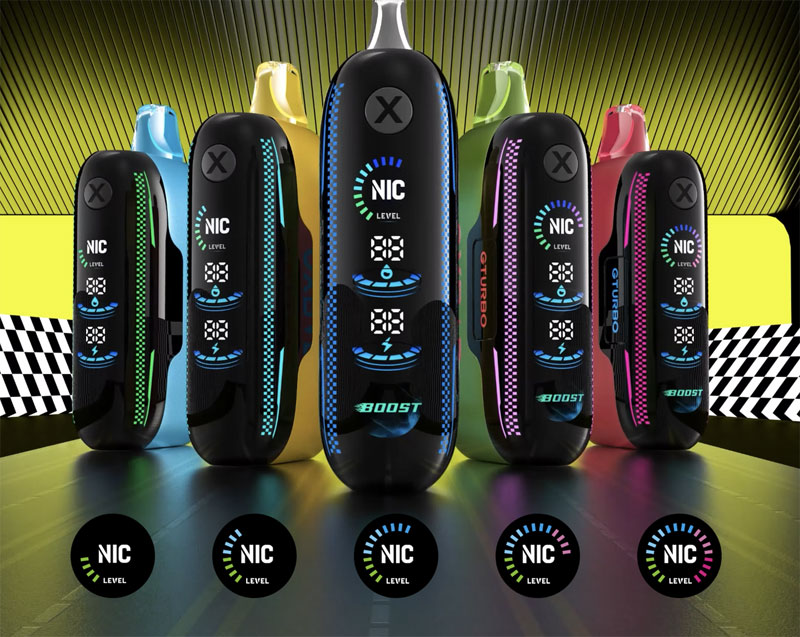
If caught, offenders may face severe penalties, including fines and possible imprisonment, reflecting the government’s firm stance on enforcement.
Can tourists bring e-cigarettes into Singapore for personal use?
Tourists are also subject to the same regulations and must refrain from bringing e-cigarettes into the country. Doing so can result in confiscation and legal repercussions.