Electronic cigarettes have become increasingly popular as a modern alternative to traditional smoking, but many are curious about what is in an electronic cigarette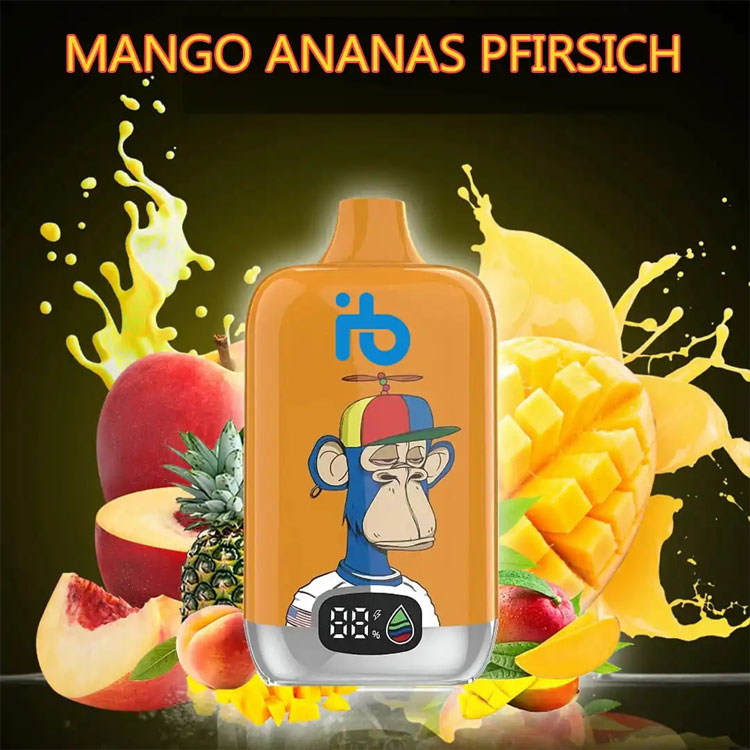 and how these devices function. At its core, an e-cigarette comprises a few essential components: a battery, a heating element (also called an atomizer or coil), and a cartridge or tank that contains e-liquid. The battery provides the necessary power to heat the element, which then vaporizes the e-liquid into an inhalable vapor.
The e-liquid is a crucial element of an e-cigarette’s operation. Typically, this liquid is a combination of propylene glycol (PG) and vegetable glycerin (VG), serving as the base components. PG is known for enhancing flavor, while VG produces thicker vapor. Combined in different ratios, they affect the sensation or “throat hit” experienced by the user. Nicotine, the addictive substance also found in traditional cigarettes, is usually present in varying concentrations to cater to different preferences.
Besides PG, VG, and nicotine, e-liquid includes food-grade flavorings to provide a wide range of tastes. These can range from classic tobacco and menthol to exotic fruit mixes and dessert flavors. The exact composition and quality can vary greatly between brands, impacting both taste and safety.
As the industry evolves, users should remain informed about potential health implications. While e-cigarettes may offer a less harmful alternative than conventional smoking, they are not without risks. Studies suggest that some ingredients might lead to respiratory issues or other health concerns. It’s vital to select products from reputable manufacturers who provide transparency about their ingredients.
Let’s consider the operational aspect in greater detail. When a user draws on an e-cigarette, the activated battery sends a current through the heating element. This element swiftly heats up, causing the e-liquid to vaporize or atomize. The user then inhales the resulting aerosol, which delivers both flavor and nicotine. This process mimics the sensation of smoking without combustion, thus significantly reducing the number of harmful by-products.
Regular users of e-cigarettes often seek customization, both for personal comfort and to maximize their device’s efficiency. Modifications can include adjusting nicotine levels or experimenting with different PG/VG ratios. Advanced users may even select devices with variable voltage or wattage to further tailor their vaping experience.
FAQs:
Q: Are electronic cigarettes safe to use?
A: While considered less harmful than smoking traditional tobacco cigarettes, e-cigarettes are not without risks. They still deliver nicotine and other substances that can be harmful, especially to developing adolescents.
Q: What are the potential side effects of vaping?
A: Some common side effects include throat irritation, cough, and dry mouth. More severe effects could involve respiratory issues, particularly in products with lower-quality ingredients.
Q: Can I use e-cigarettes to quit smoking?
A: Many people use e-cigarettes as a smoking cessation tool. However, success varies, and it is often recommended to combine e-cigarettes with professional guidance for best results.
An electronic cigarette, or e-cigarette, typically contains a battery, a heating element, and a cartridge or tank that holds a liquid solution known as e-liquid or vape juice. The e-liquid usually consists of propylene glycol, vegetable glycerin, nicotine, flavorings, and other chemicals. When the device is activated, the heating element vaporizes the e-liquid, which users then inhale.