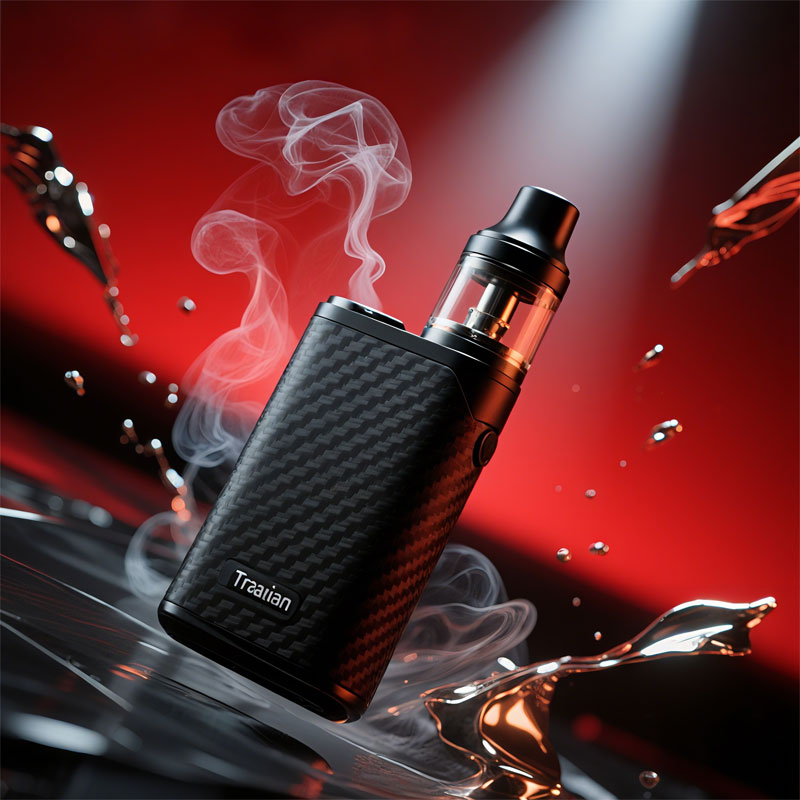
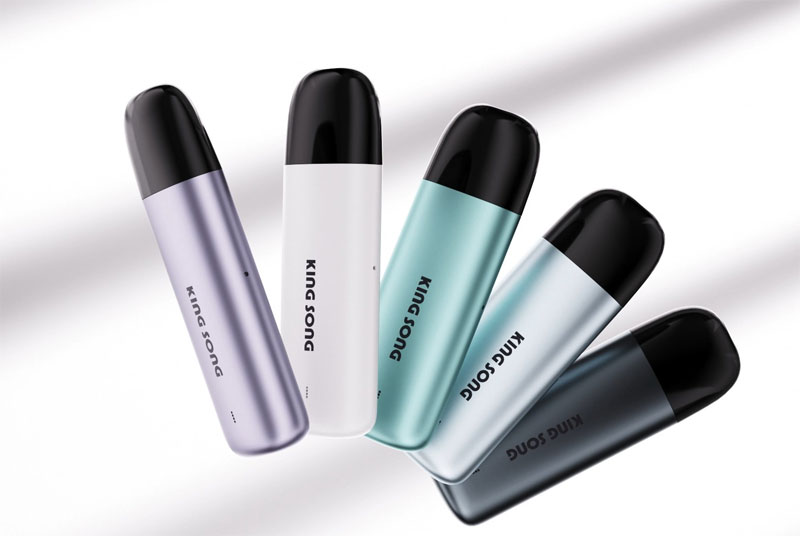
E-cigarettes have rapidly gained popularity over the past few years, becoming a preferred alternative to traditional cigarettes for many smokers looking to either quit or reduce their tobacco intake. But what do e-cigarettes contain? Understanding the components of e-cigarettes can help users make informed decisions about their use. Typically, an e-cigarette consists of three main components: a battery, an atomizer, and a e-liquid cartridge. However, the most critical part, and the one we focus on here, is the e-liquid, as that’s where the main ingredients reside.
E-Liquids and Their Ingredients
E-liquids, also known as vape juice or e-juice, are the liquids that e-cigarettes heat to produce vapor. While the formula of e-liquids can vary between brands and flavors, most are made up of a few common ingredients:
- Propylene Glycol (PG): This is a colorless, odorless liquid used in the food industry and is FDA-approved. It serves as the base for the e-liquid, helping to distribute the flavor evenly. PG is favored for its ability to provide a strong throat hit similar to that of traditional smoking.
- Vegetable Glycerin (VG): Often used along with PG, VG is a thicker liquid that produces thicker vapor clouds. It is derived from plant oils and is commonly found in food and cosmetic products. VG tends to offer a sweeter taste than PG, which affects the overall flavor profile of the e-liquid.
- Nicotine: The inclusion of nicotine varies depending on the e-liquid’s strength. Users can select nicotine-free e-liquids, while others contain nicotine levels to help smokers gradually decrease their intake. Some e-cigarettes allow users to adjust the nicotine strength to suit personal preferences.
- Flavorings: A significant allure of e-cigarettes is the variety of flavors available, from tobacco and menthol to fruits, desserts, and even drinks. These flavorings are usually food-grade and approved for consumption, but their long-term effects when inhaled are not entirely known.
Additional Additives in E-Cigarettes
Besides the primary ingredients, some e-cigarettes contain
 other additives that might not be as widely recognized:
- Sweeteners: Some e-liquids include sweeteners to enhance their taste. While these can improve the flavor, they might contribute to coil buildup in the e-cigarette device.
- Acetoin and Diacetyl: These compounds can be found in some flavorings to replicate a buttery taste. Although commonly used in the food industry, they are controversial in e-cigarettes due to potential respiratory issues when inhaled.
- Ethanol
 : Sometimes used as a solvent or to carry flavors, ethanol is occasionally found in minute amounts in e-liquids.
The Importance of Transparency
When considering using e-cigarettes, understanding what they contain is crucial for safety and personal health. E-cigarette manufacturers are required to list their ingredients, which helps consumers make safer choices about what they inhale. Being aware of these ingredients allows users to choose products that avoid compounds they wish to steer clear of.
FAQs
Q: Are e-cigarette ingredients safe?
A: While many ingredients are deemed safe for consumption, their safety when vaporized and inhaled is still being studied. Long-term effects are not entirely known.
Q: Can I get e-juices without nicotine?
A: Yes, many e-liquids are available in nicotine-free versions, which can help users who want to enjoy vaping without the addictive substance.
Q: How does the ratio of PG to VG affect my vaping experience?
A: A higher PG ratio provides a stronger throat hit and better flavor distribution, while a higher VG ratio produces larger clouds and a smoother feel. Users often choose ratios based on personal preference.