When it comes to air travel, packing can sometimes become a complex affair filled with regulations and restrictions. One of the common queries travelers have these days is: Can you pack e-cigarettes in checked luggage? With the rising popularity of e-cigarettes, such as the brand Elf Bar, travelers might wonder about the best way to transport these devices while adhering to airline policies and safety guidelines.
Packing E-Cigarettes: Know the Rules
E-cigarettes, like the Elf Bar, operate on lithium batteries and this is a key factor to consider. According to the TSA and most international aviation authorities, e-cigarettes should not be packed in checked luggage due to the fire risks associated with lithium batteries. The preferred method is to carry them in your hand luggage, where they can be monitored easily. In a carry-on, these devices pose a much lower risk as they are quickly accessible in case any irregular situation arises.
The Importance of Battery Safety
With the concern around lithium batteries, airlines have strong policies prohibiting packing these in checked bags. Elf Bar and similar e-cigarette devices should therefore always be carried in the cabin. It’s essential to ensure your device is off during flights and that the battery is disconnected, if possible, to prevent accidental activation.
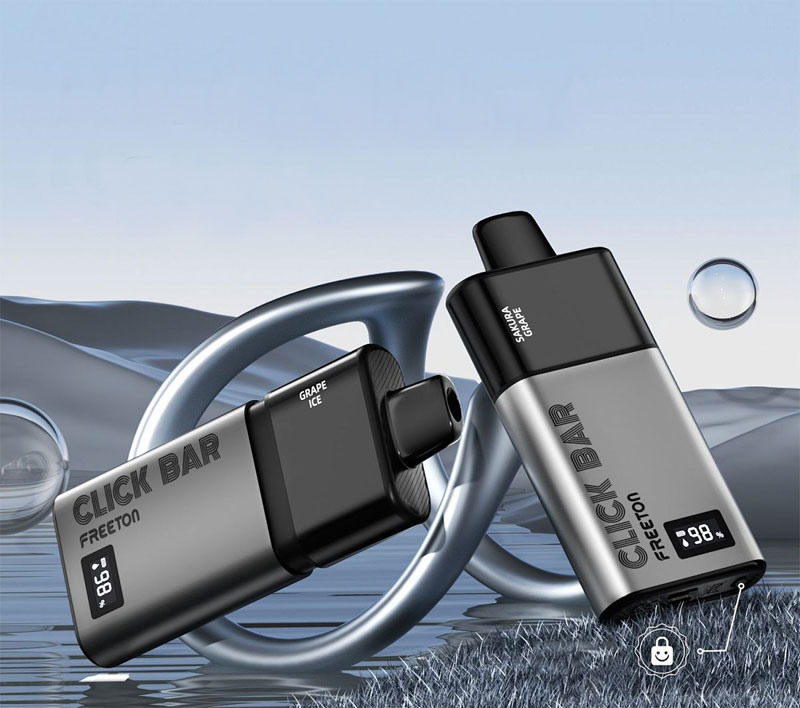
Additional E-Cigarette Travel Tips
Besides the battery concerns, other factors should also be considered:
- Ensure your e-cigarette is in compliance with local laws at your destination, as regulations can vary widely.
- Store e-liquids in containers no larger than 100ml due to liquid rules for carry-on luggage, and pack them in a sealable plastic bag for easy inspection.
Check with your airline if you have any doubts, as they may have additional policies on transporting e-cigarettes.
Remember: The cabin is the safest place for these devices, ensuring safety and compliance.
Understanding Airline Policies
Different airlines might have additional rules or guidelines on how to safely transport e-cigarettes. It’s always wise to confirm with the specific airline you’re flying with to avoid any last-minute surprises. While the baseline is usually consistent given international air regulations on battery-powered devices, individual carriers might impose stricter rules.
Why the Caution?
The primary reason behind these restrictions is safety. Lithium-ion batteries are known to pose fire risks if damaged or subjected to high stresses. Thus, having access to them in the cabin allows airline staff and passengers to react quickly if something goes amiss.
FAQs on E-Cigarette Regulations
Q1: Can I use my e-cigarette during the flight?
No, the use of e-cigarettes is not permitted on flights. Most airlines ban vaping due to concerns about secondhand emissions and potential interference with onboard systems.
Q2: What if my e-cigarette is lost or damaged during flight?
It’s advised to keep e-cigarettes within your carry-on and secure any accompanying components safely. Airlines may not take responsibility for personal items damaged or lost during travel.
Q3: Are there exceptions for e-cigarettes in checked baggage?
No, there are typically no exceptions. It’s crucial to follow guidelines and keep such devices in carry-on luggage to ensure they are easy to access and manage during the flight.
In conclusion, while e-cigarettes are increasingly popular, ensuring their safe and legal transport is a priority. Always prepare before heading to the airport to avoid last-minute hassles and ensure a smooth travel experience.