Introduction to Vaping Device Evolution
E-cigarettes and vape pens have evolved remarkably since their inception, reflecting groundbreaking advances in battery technology, e-liquid composition, coil design, portability, and user customization. For anyone researching what are the 5 generations of e-cigarettes and vape pens, recognizing each stage is vital. Early models were basic alternatives to tobacco but have since matured into sophisticated personal vaporisers.
The First Generation: Cigalikes
The first generation, known as “cigalikes,” resembled traditional cigarettes in appearance and use. These devices were disposable or featured minimal reusability, often coming pre-filled with low-capacity cartridges. Designed chiefly for smokers seeking a direct substitute, first-gen e-cigarettes offered straightforward vapor production without customization. Though technologically limited, they formed the vital foundation for the category and introduced millions to smoke-free nicotine delivery.
- Appearance mirroring real cigarettes
- Disposable or basic rechargeable batteries
- Low vapor output and flavor selection
- No adjustable settings
The Second Generation: Vape Pens
With the rise of the second generation, vape pens emerged: longer cylinder-shaped devices, equipped with refillable clearomizers and improved battery capacity. This crucial step allowed users to choose e-liquid flavors and nicotine strengths, promoting broader experimentation. Vape pens delivered thicker vapor, better throat hit, and signaled a shift toward more engaged vaping communities. Adjustable voltage appeared, allowing users to tweak their experience to taste.
- Refillable tanks rather than disposable cartridges
- Improved battery life
- Wider selection of flavors and nicotine strengths
- Introduction of variable voltage
The Third Generation: Advanced Personal Vaporizers (APVs)
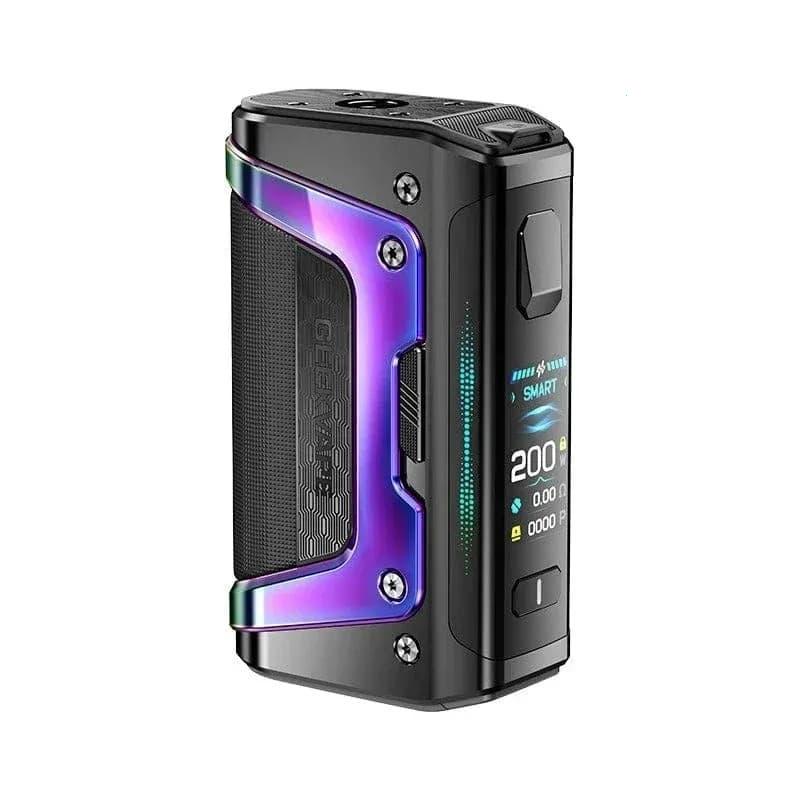
The third generation witnessed the rise of box mods and APVs, catering to hobbyists and enthusiasts. These larger, boxy devices featured enhanced electronics, replaceable batteries, and display screens. With advanced functionalities like wattage control, temperature settings, and sub-ohm vaping, vapers could achieve huge clouds and robust flavors. DIY coil building and custom tank setups became mainstream, pushing performance frontiers.
- Customizable power and temperature
- Replaceable batteries and screens
- Support for low-resistance (sub-ohm) coils
- Substantial vapor and flavor production
Fourth Generation: Pod Systems
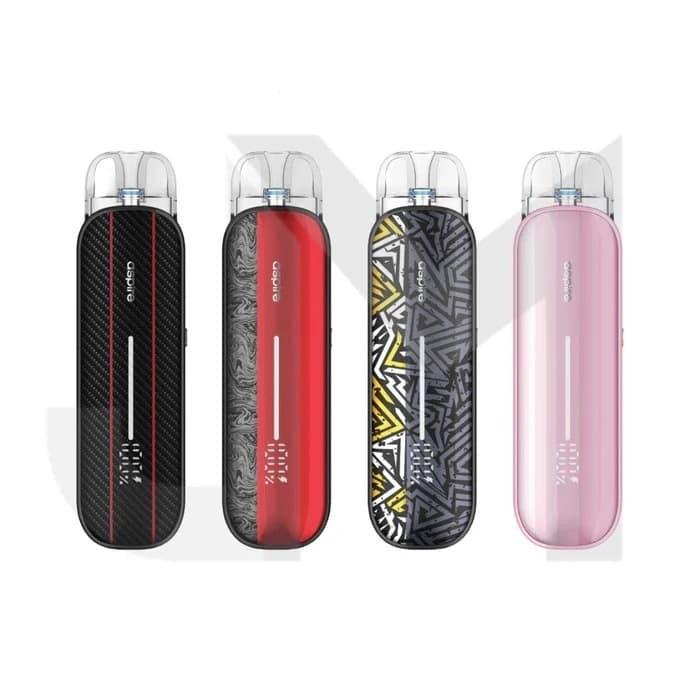
Compact and stylish, the fourth generation brought pod systems to prominence. These devices married simplicity with sophistication, featuring closed systems using magnetic or snap-in pods, often pre-filled but also refillable. Pod mods cater to both nic salt and freebase e-liquids, maximizing user flexibility. With sleek, low-profile designs and “draw-activated” functions, pod systems appeal to both beginners and experienced users desiring convenience and discretion. Features like fast charging and leak protection became standard.
- Ultra-portable, pocket-friendly builds
- Pre-filled and refillable pod options
- Nicotine salt compatibility for smoother throat hit
- Automatic, buttonless operation
Fifth Generation: Smart, Connected Devices
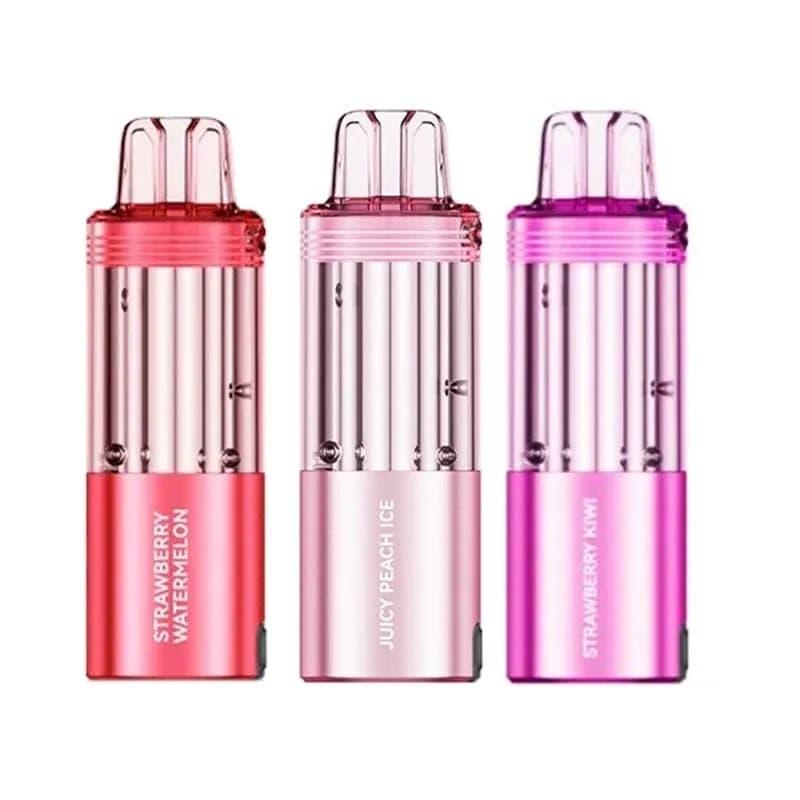
Finally, the fifth generation is defined by intelligent vape tech and integration with smart devices. Bluetooth connectivity, companion apps, Puff tracking, firmware updates, and personalized vaping modes are now available, offering a data-rich and highly customizable experience. Some top-end fifth-gen vapes leverage AI to analyse usage patterns or suggest optimal wattage settings. Mobile connectivity enables remote locking and usage reports. These futuristic features exemplify vaping’s transition into the broader Internet of Things ecosystem, linking hardware, software, and user preferences for safer and smarter vaping.
- Wireless connectivity and mobile apps
- Real-time device status, battery monitoring, and usage analytics
- Automatic coil detection and power adjustment
- AI-assisted safety and optimization features
Key Differences and User Considerations
Throughout these five generations, the primary differences lie in factors such as device portability, battery longevity, vapor customization, ease of use, and data integration. Cigalikes and vape pens remain ideal for those prioritizing simplicity and ease, whereas advanced mods and smart vapes better suit enthusiasts hungry for control, intense flavor, or technological integration. Understanding what are the 5 generations of e-cigarettes and vape pens helps users choose products reflecting their lifestyle, experience level, and flavor preferences.
The Impact of Generational Advancements
The evolution across these generations has spurred not only improved performance and user satisfaction but also transformed the safety landscape. Modern devices emphasize child-resistant features, leak prevention, battery quality, and temperature control, drastically reducing associated hazards. Firmware innovations have streamlined troubleshooting and maintenance. And as more features transition to apps and cloud platforms, responsible usage and product education are increasingly emphasized by manufacturers.
Trends You Should Watch
- Integration of biometric security with vape management
- Growth of eco-friendly, recyclable materials
- Expansion of open-source hardware and firmware platforms
- Enhanced customization for flavor blending and coil profiles
How to Choose the Best Generation for Your Needs?
Choosing among the five vaping device types means weighing convenience, safety, personalization, and future-proofing. Beginners may find pod systems or vape pens the most approachable, while seasoned vapers with technical know-how might desire APVs or smart mods. Assess your preferred nicotine strength, cloud size, feature set, and how much you want to interact with technology. Compatibility with e-liquids should also be considered, especially if you prefer non-standard blends or nic salt formulas.
Common FAQs
- What distinguishes pod systems from vape pens?
- Pod systems are typically more compact and use pre-filled or refillable pods, while vape pens utilize tanks or clearomizers and may offer greater flexibility for e-liquid selection and customization.
- Are smart vape devices safer than previous generations?
- Smart vapes often include enhanced safety features like automatic coil detection, firmware updates, and usage alerts, providing additional layers of protection compared to earlier models.
- Will e-cigarette technology continue to evolve?
- Absolutely. The market sees constant innovation, with upcoming trends focusing on sustainability, improved battery efficiency, and deeper integration of mobile and IoT technologies for personalized vaping experiences.
By analyzing the advancement of each generation, users can make informed decisions and anticipate future trends in e-cigarettes and vape pens, ensuring both optimal enjoyment and safety.