Practical guidance for traveling with a vape and e-liquid
If you’ve ever wondered can you take e cigarette liquid on a plane and what the rules really are, this comprehensive guide breaks down official limits, smart packing methods, and actionable tips so you can travel confidently without surprises at security checkpoints. Whether you call it a vape, e-cigarette, pod system, or box mod, the main concerns for airlines and security agencies are liquids, batteries and safety. This article will explain the most common regulations, international differences, and everyday travel hacks that seasoned flyers use to move their vape gear from home to destination with minimal fuss.
Quick summary: the core rules you need to know
In short: you can usually bring e-liquid and a vape device in your carry-on if you follow liquid limits and battery regulations. Checked baggage is generally discouraged for devices with lithium batteries. Security authorities like the TSA, EU aviation regulators and many countries follow the universal principle of limiting liquids to small containers in carry-on luggage (typically 100ml/3.4oz each inside a single clear quart-sized bag). Always declare when required and check country-specific bans on nicotine e-liquid.
Carry-on vs checked baggage: where to pack your e-liquid and device
- Carry-on (recommended): Place e-liquids in containers no larger than 100ml and put them into your clear plastic liquids bag. Keep the device and spare batteries in your cabin bag to avoid battery heating and other hazards associated with the hold.
- Checked baggage (risky): Many airlines discourage putting batteries or assembled vape devices in checked bags. If a battery is embedded and cannot be removed, check the airline policy—some allow it but often require it to be powered off and insulated to prevent accidental activation.
- Spare batteries: Always carry spare lithium-ion batteries in hand luggage, with terminals taped or in original packaging and each battery in its own protective pouch to prevent short circuits.
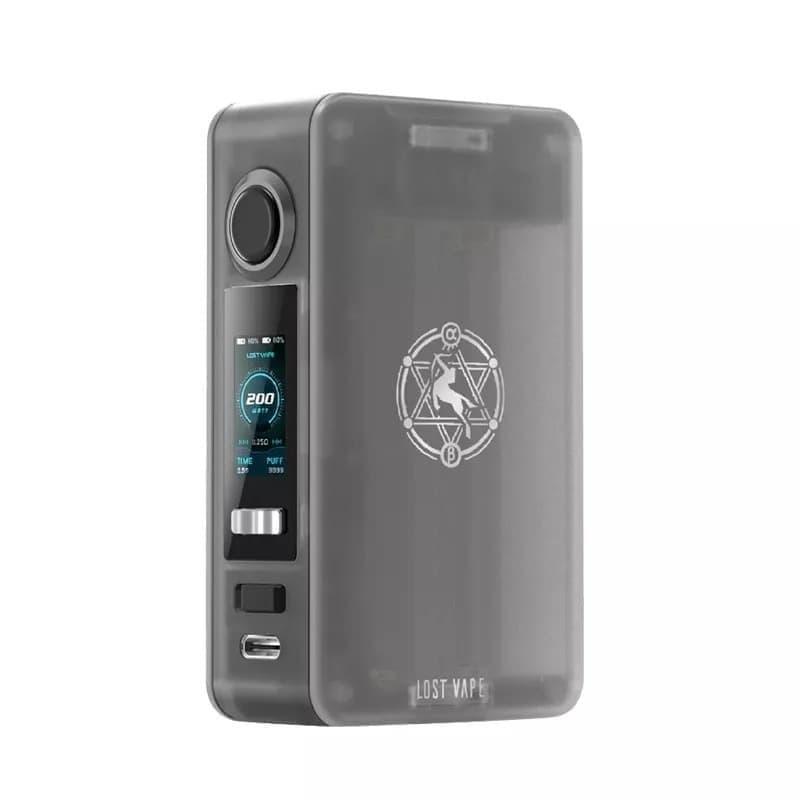
Liquid limits and packaging: making security checks smooth
Most airports enforce the 100ml/3.4oz rule per container for liquids in carry-on luggage. For e-liquid this means:
- Transfer large bottles into travel-size bottles that are 100ml or less if you plan to carry them in cabin.
- Place all small bottles inside a single clear, resealable bag (typically one quart-sized bag per passenger).
- If you have multiple bottles, ensure each is 100ml or under and together they still must fit in the single clear bag.
Label your bottles clearly so security officers can identify nicotine vs non-nicotine solutions. Remember: can you take e cigarette liquid on a plane often comes down to the container size and how it is presented at the screening point.
Battery basics and safety
Battery rules can be more complicated than liquid rules. Most airlines require that:
- Devices with lithium-ion batteries be carried in the cabin.
- Batteries remain inside the device where possible and devices are powered off.
- Spare batteries be carried in carry-on baggage only, not in checked luggage.
- There are usually watt-hour (Wh) limits for batteries—batteries under 100 Wh are commonly allowed without airline approval; between 100 Wh and 160 Wh may require airline approval; over 160 Wh are generally prohibited.
How to prepare batteries for travel
To comply, remove batteries if your device design allows it, cover exposed terminals with tape or use battery cases, and store each battery separately. Also make sure the device cannot accidentally activate—leave it open, disconnected, or in a protective case. Most security agents will ask you to power the device on to confirm it is functional and not a threat.
International travel: bans and country-specific rules
Policies vary significantly between countries. Examples to keep top of mind:
- European Union and Schengen: Follow the standard 100ml carry-on liquid rule; spare batteries in carry-on are allowed with typical watt-hour limits.
- United States: TSA allows e-cigarettes and e-liquid in carry-on; check the airline for battery specifics. Declaring large quantities or shipping e-liquid can trigger additional customs questions.
- Australia: Nicotine e-liquid is treated as a prescription medicine; bringing nicotine-containing e-liquid without a prescription can result in confiscation or fines.
- Singapore, UAE and some Asian/Middle Eastern countries: Strict bans exist; bringing an e-cigarette device or nicotine liquid can lead to heavy penalties, fines or even criminal charges. When in doubt, research the destination’s rules carefully.
How to pack to minimize leaks and avoid confiscation
Liquid leakage is a common travel headache. Follow these best practices:
- Buy travel-sized bottles with leak-proof caps or use silicone travel bottles with a secure seal.
- Place each bottle in a zip-lock bag and then into your main liquids bag.
- Use a padded case or box for your vape device and include absorbent materials (paper towel, cotton) to protect other items from potential spills.
- Use original retail packaging for sealed e-liquid bottles whenever possible to simplify security checks.
- Consider carrying pre-filled cartridges instead of loose bottles—cartridges tend to be more secure and less likely to spill.
What to expect at airport security
At the checkpoint you should be prepared to:
- Remove your clear liquid bag from your carry-on and place it in the bin for X-ray inspection.
- Pull out the vape device if requested and show it powered off.
- Show any original packaging or receipts for liquid quantities if asked by officers.
If a bottle is over the permitted size, expect it to be confiscated. If you attempt to conceal large quantities, you may face additional scrutiny or penalties. Always declare unusual quantities or ask airline staff ahead of travel if you have doubt.
Packing checklist: items to bring and why
- Travel-sized e-liquid bottles (≤100ml) in a clear bag — so you meet the liquids rule.
- Protective case for your vape
 device — to avoid accidental activation and protect fragile components.
 - Spare batteries in a battery case — for safety and compliance.
- Replacement coils and small tool kit — to avoid buying disposables abroad.
- Receipts and paperwork for nicotine e-liquid where legally required (e.g., prescriptions in Australia) — to prevent confiscation.
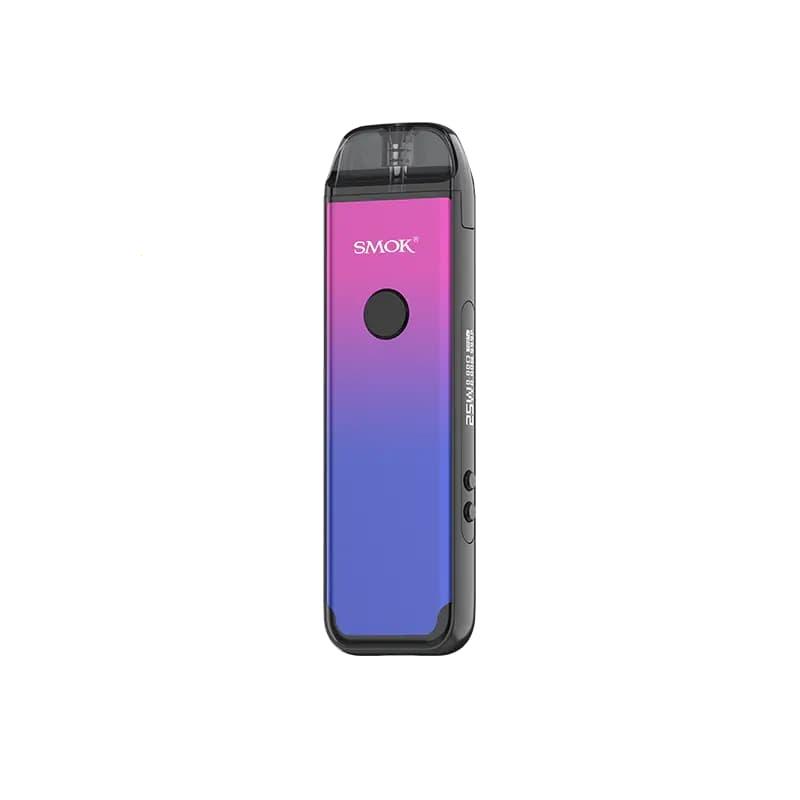
Tips for long trips and layovers
If you have long layovers or need to fly between countries with different laws, plan ahead:
- Check each country’s import rules before boarding connecting flights; what’s legal in one country may be illegal in another.
- Consider shipping larger bottles to your destination by compliant courier services that accept e-liquid shipments, but verify the carrier’s rules.
- Limit the amount of nicotine e-liquid you carry to the smallest necessary volume to avoid customs trouble.
What about duty-free purchases?
Duty-free stores at airports sometimes sell e-liquid and devices. Even if purchased duty-free, e-liquid must still comply with carry-on liquid restrictions for subsequent flights and security checks. If you buy sealed items in departure security areas and they are placed in tamper-evident bags, retain receipts and keep them sealed until you reach your final destination to avoid inconvenience on connecting flights.
Common mistakes travellers make
- Packing spare batteries in checked luggage — this is a common reason devices are confiscated.
- Assuming every country has the same rules — this leads to confiscation or worse in places with strict bans.
- Carrying large bottles that exceed the 100ml rule — expect those to be taken away at security.
- Not insulating or taping battery terminals — leading to safety concerns and potential refusal to fly with the battery.
Sample airport conversation
Officer: “Do you have any liquids?”
Traveler: “Yes, I have a few small bottles of e-liquid and a vape device in my carry-on. All liquids are under 100ml and in a clear bag.”
Officer: “Please put the liquids in a bin and remove the device from your bag.”
Traveler: “Sure, here you go. The spare batteries are in their case as well.”
Being prepared and transparent speeds the process and reduces stress.
Alternatives if carrying e-liquid is difficult
- Purchase nicotine patches or gum for the duration of travel where e-liquids are restricted.
- Buy sealed replacement pods or devices at your destination from licensed retailers (but check local laws first).
- Consider an oral nicotine product if legal and acceptable for your health needs.
Maintenance and hygiene while traveling
Clean your tank or pod before packing to reduce odors and leakage. Pack a small microfiber cloth and wipes to keep threads and contacts clean, and avoid filling tanks aboard the aircraft or in public places where regulations are ambiguous.
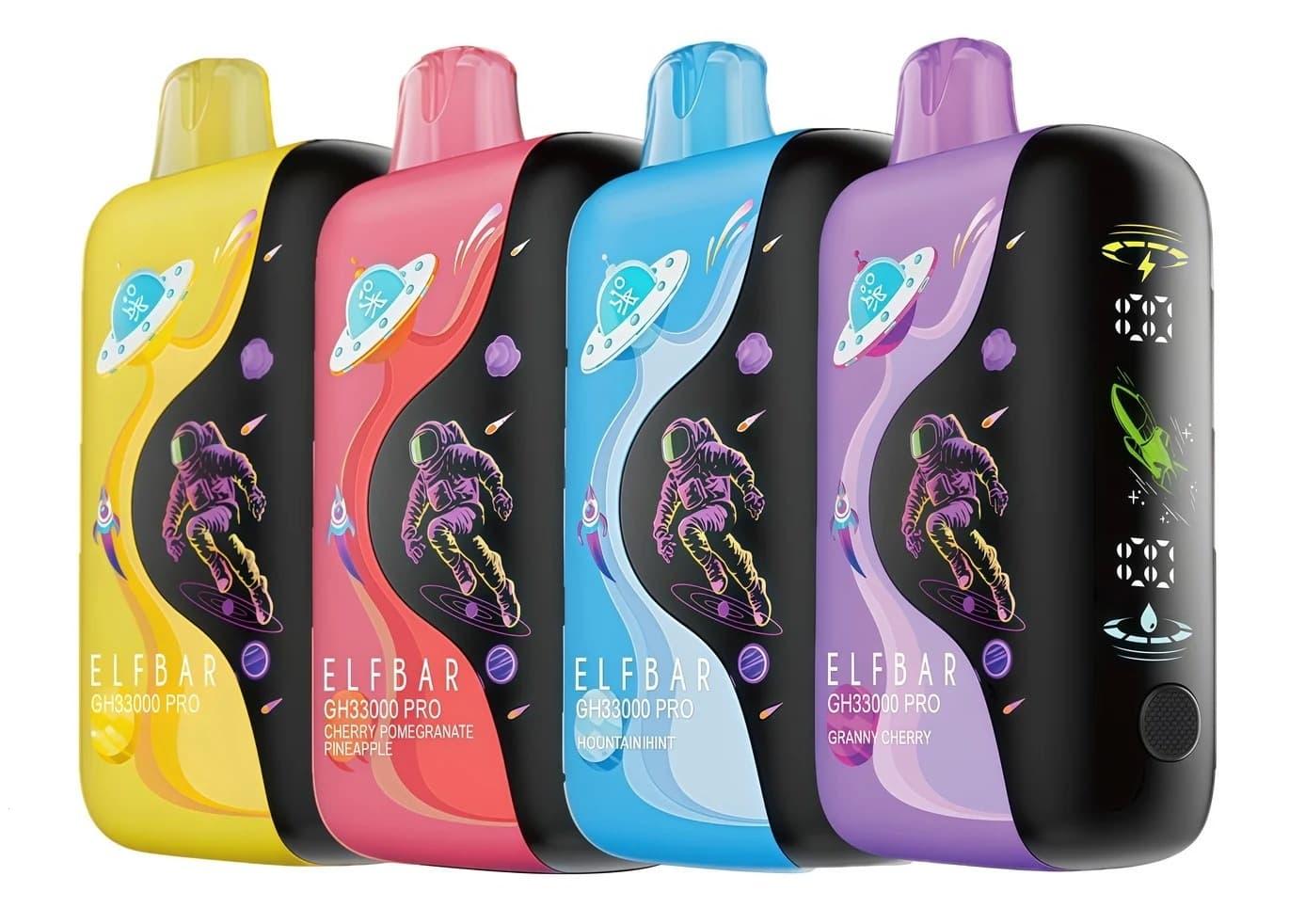 vape packing tips for flights” />
When in doubt: check official sources
Because rules change, verify current guidance from:
- Your airline’s website and customer service.
- The airport authority or national aviation agency for both departure and arrival countries.
- Official customs websites if transporting quantities that might be considered commercial.
Search queries like “vape travel regulations” and “can you take e cigarette liquid on a plane rules” can help you find the most recent updates from regulators and carriers.
Smart packing: a procedural checklist
- Empty and clean tanks; consider shipping large bottles.
- Place e-liquid bottles into labeled travel containers ≤100ml.
- Store liquids in a single clear bag and separate batteries in protective cases.
- Power devices off and isolate switches to prevent accidental firing.
- Carry documentation for any medical or prescription-related nicotine supplies.
Legal concerns and border control
Remember that import laws may treat nicotine as a controlled substance in some jurisdictions. Bringing nicotine without proper documentation can result in fines or criminal charges. Non-nicotine e-liquids may face fewer controls but can still be subject to general liquid carry-on rules. When crossing borders, customs agents have wide discretion; minimalism and transparency often prevent complications.
Final thoughts and best practice recap
To recap, the safest approach when traveling with a vape and e-liquid is: keep liquids in ≤100ml bottles in your carry-on clear bag, keep devices and spare batteries in your cabin luggage, tape terminals, and verify destination-specific laws in advance. Knowing the answer to can you take e cigarette liquid on a plane is less about a single universal yes-or-no and more about following the correct protocol for liquids and batteries while respecting local regulations.
FAQ
A: Follow the typical 100ml/3.4oz per container rule; all containers should fit into one clear resealable bag as per the airport’s liquids policy. If you need more for medical reasons, check airline and country-specific allowances and bring documentation.
A: No, spare lithium-ion batteries should be carried in carry-on luggage with terminals covered or in protective cases. Many airlines prohibit spare batteries in checked bags due to fire risk.
A: Do not bring the device or e-liquid. Research local laws before travel and either leave devices at home or ship them via a legal courier if the destination permits import with special conditions.
A: Only if the item remains sealed in a tamper-evident bag with proof of purchase and fits within the connecting flight’s liquid limits. Still check the security rules for the connecting airport.
A: Disposables can be convenient but may still be restricted or banned at your destination and are typically not allowed in checked luggage if they contain lithium batteries. They also can’t be refilled, which may be a limitation on long trips.