E-Shisha Health Compendium: Evaluating Vaping and Oral Cancer Evidence
This comprehensive guide explores the evolving science around E-Shisha devices and the debated association between vaping and oral malignancies, focusing on whether current studies support a link between e cigarettes and mouth cancer. The piece is written to be search-friendly and readable for clinicians, public health professionals, vapers, and curious readers. It emphasizes reputable data, mechanistic pathways, limitations in the evidence, and practical guidance for risk communication.
Why focus on vaping and oral health?
The mouth is the first anatomical site exposed to vaporized aerosols from products such as E-Shisha. Saliva, mucosa, and the oral microbiome directly interact with constituents of e-liquids — nicotine, propylene glycol, glycerin, flavoring chemicals, thermal degradation products, and trace metals. Because e cigarettes and mouth cancer is a phrase increasingly searched by the public, this article reviews evidence types: laboratory (in vitro), animal models, short-term clinical studies, observational epidemiology, and toxicology, all to contextualize risk.
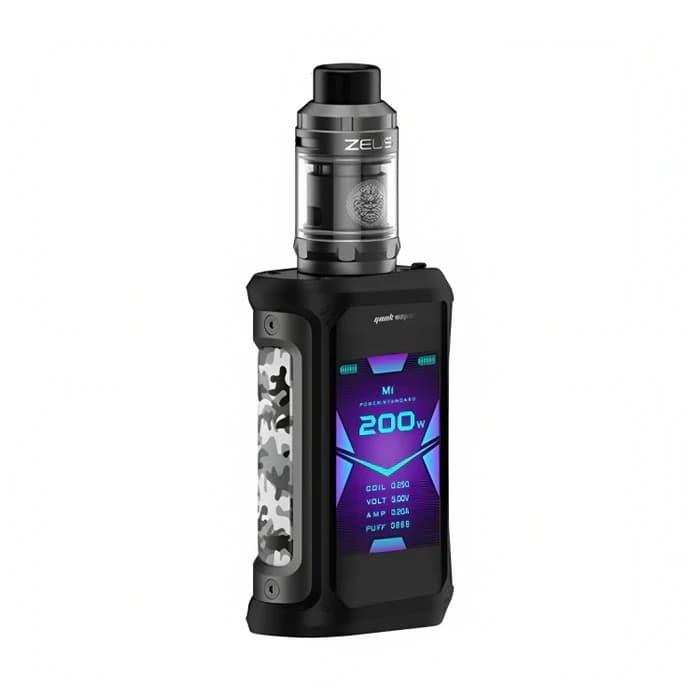
How are potential carcinogens generated in vape aerosols?
When e-liquids are heated, chemical reactions create carbonyls (formaldehyde, acetaldehyde, acrolein) and sometimes nitrosamines. Metals like nickel, chromium, and lead can also be present due to coil degradation. Some flavoring compounds may form reactive metabolites. These agents are known to be genotoxic or cytotoxic in other contexts, hence the biological plausibility that chronic exposure could contribute to mucosal injury, DNA damage, and potentially carcinogenesis in the oral cavity. However, plausibility is not equivalent to proof, and intensity/duration of exposure matters.
Evidence from in vitro and animal studies
Laboratory experiments often show that e-cigarette condensates or certain flavoring chemicals cause oxidative stress, DNA strand breaks, inflammatory signaling, or altered cell proliferation in cultured oral epithelial cells. Animal inhalation models occasionally report tissue inflammation and hyperplasia after prolonged exposures. These findings demonstrate biologically relevant pathways by which vaping constituents could influence oral carcinogenesis, but they typically involve high doses, specific cell lines, or exposures not directly comparable to human use patterns of products like E-Shisha. Therefore, extrapolation to clinical risk requires cautious interpretation.
Key mechanistic themes
- Oxidative stress and reactive oxygen species (ROS) generation leading to DNA damage.
- Chronic inflammation promoting a tumor-supporting microenvironment.
- Direct genotoxicity of certain aldehydes and nitrosamines.
- Disruption of epithelial barrier and altered wound-healing responses.
- Changes in oral microbiota that may favor pathogenic biofilms and pro-inflammatory states.
Human observational data: what do we have so far?
High-quality longitudinal data linking e cigarettes and mouth cancer are currently sparse because most e-cigarette products and widespread use are relatively recent compared to the decades-long latency for many cancers. Existing epidemiological studies are often cross-sectional, self-reported, or confounded by prior or concurrent tobacco smoking, alcohol use, socioeconomic factors, and HPV infection — all established risk factors for oral cancer. A consistent signal of strongly elevated risk attributable to e-cigarette use alone has not emerged from population studies, but the absence of evidence is not evidence of absence.
Limitations of current epidemiology

- Short follow-up time for cancer endpoints.
- High prevalence of dual use (e-cigarettes and combustible cigarettes), complicating attribution.
- Small numbers of long-term exclusive e-cigarette users.
- Potential misclassification and recall bias in surveys.
- Heterogeneity of e-cigarette devices and e-liquids makes aggregating exposure difficult.
Practical takeaway: observational data to date do not conclusively establish that vaping causes mouth cancer, but biologic mechanisms and some early indicators warrant caution and further research.
Comparative risk: vaping vs cigarette smoking for oral cancer
Combustible tobacco is a well-established, high-risk factor for oral and oropharyngeal cancer. Many public-health authorities view contemporary e-cigarettes, including popular brands like E-Shisha, through a harm-reduction lens: they may reduce exposure to many combustion-related carcinogens when smokers switch completely. However, “reduced relative risk” does not mean “no risk.” For harm-minimization counseling, clinicians should emphasize that complete cessation of all nicotine products is the safest option for oral cancer prevention, while for smokers unwilling to quit, switching to less harmful alternatives may reduce risk for some endpoints but long-term outcomes remain unknown.
Oral biology, microbiome, and secondary effects
Emerging studies suggest that vaping can alter salivary composition, reduce salivary antimicrobial peptides, and shift the oral microbiome composition. Such changes can increase susceptibility to periodontitis, mucosal lesions, and other oral conditions that, over time, might influence cancer risk indirectly. Periodontal disease itself is associated with increased risk of several systemic conditions and has been discussed as a potential co-factor in carcinogenesis.
Clinical and public health recommendations
Health professionals should take an evidence-informed, nuanced approach: assess tobacco and e-cigarette use comprehensively, screen for oral lesions, counsel on cessation, and apply harm-reduction principles when appropriate. For patients who smoke, clinicians can discuss switching to E-Shisha or other regulated e-cigarettes as a transitional tool, while clarifying uncertainties and emphasizing that complete cessation of nicotine and tobacco yields the greatest oral-health benefits. For non-smokers, especially adolescents, initiating vaping is not recommended because it introduces avoidable exposures and potential long-term risks.
Practical counseling points
- Ask specifically about devices, frequency, flavors, and history of smoking.
- Screen oral mucosa regularly for leukoplakia, erythroplakia, ulcers, or persistent mucosal changes.
- Offer evidence-based cessation resources (behavioral counseling, NRT, medications).
- Advise pregnant patients and youth to avoid vaping entirely.
- Document dual use and provide targeted plans to quit combustible cigarettes first when possible.
Regulatory considerations and product variability
Regulations governing product ingredients, emissions testing, advertising, and youth access vary widely between jurisdictions. Differences in coil materials, device power, and e-liquid composition cause variation in toxicant profiles even between products marketed under the same brand. Therefore, statements about the safety or risk of “vaping” must be qualified by product-specific information. Regulatory policies that reduce youth uptake and promote product quality control may decrease population-level harms.
Research gaps: priorities for the next decade
To better determine whether e cigarettes and mouth cancer are linked, we need:
- Large prospective cohorts with validated exposure measures and long follow-up for cancer outcomes.
- Standardized methods for assessing device emissions and biomarkers of exposure in oral tissues.
- Mechanistic studies that translate lab findings into realistic human exposure levels.
- Studies that disentangle the effects of dual use and prior smoking history.
- Improved surveillance of oral pathology in primary-care and dental settings tied to e-cigarette use data.
Biomarkers worth studying
Salivary DNA adducts, oxidative stress markers, cytokine profiles, and shifts in oral microbiota composition could serve as intermediate endpoints in longitudinal studies, providing earlier signals than cancer incidence alone.
Consumer guidance: what users should know
For individuals who already use E-Shisha or other e-cigarettes: consider these pragmatic steps to lower potential harms — avoid high-power settings that increase thermal degradation, prefer nicotine levels that reduce puffing intensity, minimize flavored products with untested chemicals, and seek professional help to quit nicotine altogether if desired. Avoid starting vaping if you are a never-smoker, and discourage youth initiation through education and policy measures.
Balancing caution with realistic messaging
Public messages must strike a balance between not understating potential risks (especially for exclusive e-cigarette initiation and youth) and not overstating findings that are not yet supported by long-term evidence. Phrases like “possible association” and “insufficient long-term evidence” reflect the current state: plausible mechanisms exist and early indicators are concerning, but robust longitudinal proof linking exclusive e-cigarette use to mouth cancer is not yet established.
Case examples and clinical vignettes
Consider a middle-aged former smoker who switched completely to a regulated E-Shisha device two years ago: their short-term exposure to combustion-related carcinogens has likely decreased, yet dental monitoring and counseling remain warranted. Conversely, a young never-smoker using flavored e-cigarettes daily for years presents a different risk calculus: ongoing exposure to flavoring chemicals and possible immune-modulatory effects of nicotine make prevention and cessation advice a priority.
Summary: where does the evidence stand?
The current literature provides mechanistic reasons to monitor for links between vaping and oral cancer and shows some early biological effects in cells and animals. However, high-quality human epidemiological data directly linking exclusive e-cigarette use to increased incidence of mouth cancer are limited by short follow-up and confounding from traditional tobacco use. For now, the most evidence-based public-health stance is: discourage initiation among non-smokers (especially youth), consider e-cigarettes as a potential harm-reduction tool for established smokers—while recognizing uncertainty—and prioritize long-term research and surveillance.
Actionable research and policy recommendations
- Fund prospective cohort studies focused on oral cancer endpoints.
- Standardize emission testing across device types.
- Integrate e-cigarette exposure questions into dental and primary-care records.
- Restrict youth-targeted marketing and flavored product access.
- Support clinical guidelines that emphasize cessation and routine oral screening.
Final reflections
Scientific understanding evolves. While the phrase e cigarettes and mouth cancer reflects legitimate public concern, current evidence supports vigilance rather than definitive causal claims. Clinicians, regulators, and consumers should apply principles of harm reduction, prioritize prevention for non-users, and demand higher-quality longitudinal data to resolve uncertainties about long-term oral-cancer risk associated with vaping.
FAQ
Q: Do e-cigarettes cause mouth cancer?
A: There is biologic plausibility and some early laboratory evidence that components of e-cigarette aerosol can damage cells, but definitive long-term human evidence linking exclusive e-cigarette use to mouth cancer is not yet established. Ongoing research is needed.
Q: Is switching from cigarettes to E-Shisha safer for oral cancer risk?
A: Switching from combustible tobacco to e-cigarettes likely reduces exposure to many combustion-related carcinogens, which may reduce risk; however, quitting all nicotine and tobacco remains the healthiest choice and long-term outcomes of switching are still being studied.
Q: Should dentists ask about vaping during visits?
A: Yes. Dental and oral health professionals should include questions about vaping, frequency, flavors, and device type during history-taking and perform routine mucosal exams for early detection of suspicious lesions.
References and further reading would ideally point readers to peer-reviewed studies, toxicology reports, and public-health guidance; practitioners are encouraged to consult up-to-date systematic reviews and national health agency recommendations when making clinical decisions related to E-Shisha use and concerns about e cigarettes and mouth cancer.