The advent of electronic cigarettes has drastically altered the landscape of smoking habits worldwide. Unlike traditional cigarettes, e-cigarettes operate by heating a liquid to produce vapor — commonly referred to as electronic cigarette water vapor. The liquid used in e-cigarettes may contain nicotine, flavorings, and other chemicals, but it notably lacks the myriad of harmful substances typically found in combustible tobacco products.
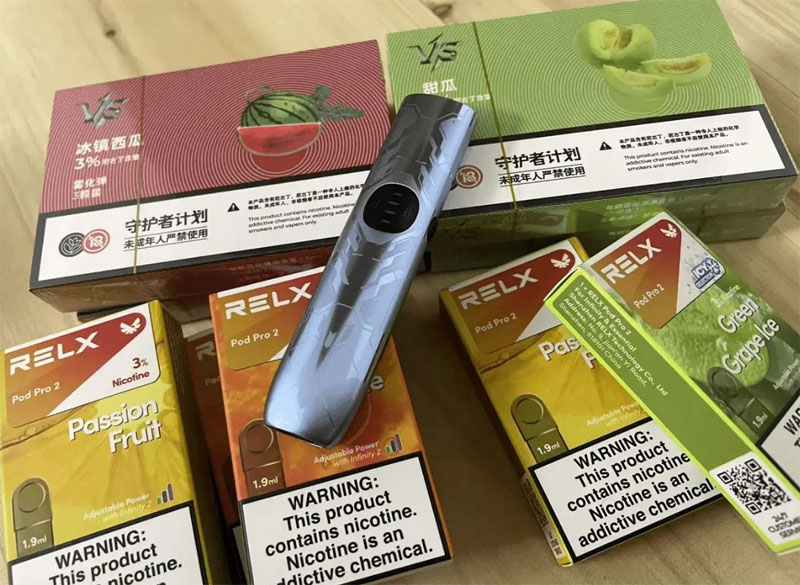
Understanding the Constituents of Electronic Cigarette Water Vapor
The primary ingredients found in e-cigarette liquid include propylene glycol or vegetable glycerin, both of which are considered safe for consumption in various edibles and pharmaceuticals. However, when vaporized, these substances can create droplets that may deposit deep within the lungs. This begs the question, does the inhalation of such vapor have any adverse consequences on respiratory health?
The Potential Respiratory Impact of E-cigarette Vapor
Several studies have explored the potential health effects associated with inhaling electronic cigarette vapor. While these studies suggest that e-cigarettes are significantly less harmful than traditional tobacco products, uncertainties remain, particularly concerning their long-term impact on lung health.
Concerns relate to the additives in e-liquid flavors, some of which have been implicated in acute lung injuries upon prolonged exposure.
Moreover, nicotine, a staple in many e-liquids, remains addictive irrespective of the source and can influence cardiovascular health over sustained periods.
Comparative Studies and Regulation

Comparative studies have demonstrated that while e-cigarettes might expose users to fewer carcinogenic agents than traditional cigarettes, they are not devoid of risks. Safety guidelines and regulations continue to evolve as scientific understanding of the nuances of e-cigarette composition and use advances.
The regulatory landscape for e-cigarettes varies significantly across the globe. Countries such as the United States and those within the European Union have implemented stringent measures to control the sale and advertisement of e-cigarettes, emphasizing transparency regarding ingredients and mandatory health warnings.
Common Misconceptions and FAQs
Is electronic cigarette vapor entirely safe?
While it is widely acknowledged that electronic cigarette vapor is less harmful than traditional cigarette smoke, it is not entirely free of health risks. Users should remain informed about the potential long-term consequences of vapor inhalation.
Can e-cigarettes help with quitting smoking?
Some individuals have successfully used e-cigarettes as a transition tool to ease off traditional cigarettes. However, their efficacy as a cessation tool is subject to personal experience and should be accompanied by behavioral support.
What is the difference between e-cigarettes and vaping?
Both terms can be used interchangeably, but generally, vaping refers to the act of inhaling vapor produced by e-cigarettes or similar devices, which entails heating a liquid that may or may not contain nicotine.