The legal framework regarding electronic cigarettes in Mexico has been a topic of considerable debate over recent years. As more individuals turn to vaping as an alternative to traditional smoking, understanding the regulatory environment is crucial, particularly when considering whether electronic cigarettes are illegal in Mexico.
Current Legal Status of Vaping Products
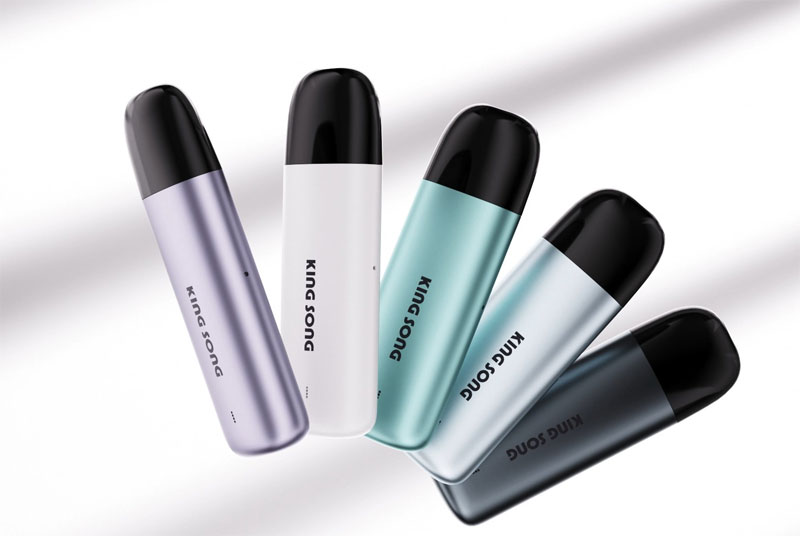
Electronic cigarettes, also known as e-cigarettes or vaporizers, have experienced significant regulatory scrutiny globally. In Mexico, the situation is no different. The question whether electronic cigarettes are completely illegal is nuanced. The confusion primarily originates from the regulation changes that have been enforced periodically. Thus, to better grasp the situation, one needs to delve into the history and evolution of these regulations.
Historical Background of E-Cigarette Laws
Mexico’s stance on e-cigarettes has evolved over the years. Initially, Mexico banned the importation and sale of electronic cigarettes as per the General Law on Tobacco Control, which prohibited products not explicitly authorized by health regulations. This law was challenged frequently, leading to a series of legal battles that reached the Supreme Court.
In 2020, the Mexican government solidified its stance by reinforcing the prohibition of importation, distribution, and sale of these devices, citing health concerns.
Government’s Rationale for Regulation
The Mexican government’s primary concern revolves around public health. Official sources cite potential health risks associated with vaping, like acute lung conditions, which influenced stricter regulations. Health agencies and public initiatives continue to focus on promoting awareness about these risks among users.
Market Realities and Consumer Trends
Despite regulatory strictness, there is a thriving black market for electronic cigarettes in Mexico. Consumers, often seeking less harmful alternatives to traditional smoking, have driven demand. This unregulated market poses additional challenges, such as the availability of potentially unsafe products lacking quality controls found in legalized settings.
Electronic cigarettes’ popularity stems from the perception that they are less harmful than traditional smoking. However, with the looming uncertainty and ongoing legal struggles, users remain at a crossroads.
Comparison with Global Trends
When compared to other countries, Mexico’s strict regulation is on the more conservative end of the spectrum. Countries like the United Kingdom and Canada have embraced vaping as a harm reduction tool, aiming to transition existing smokers away from combustible tobacco. However, Mexico has remained cautious, prioritizing the preventative aspect over harm reduction.
Legal Ambiguities and Future Directions
The future of vaping in Mexico remains uncertain, with potential policy shifts possible as global data and research influence public health policies. Activists and interest groups continuously lobby for more lenient regulations that align with harm reduction philosophies, arguing that structured regulation and taxation could lead to safer consumer experiences.
Politics play a significant role in how these policies might develop. Any change could take time, needing a thorough discussion among policymakers, health experts, and industry representatives.
FAQs About Electronic Cigarettes in Mexico
Are individuals penalized for using e-cigarettes in Mexico?
While the sale and distribution are strictly controlled, individual use is not typically penalized. However, possession of illegally obtained products could potentially infringe legal boundaries.
How do travelers manage with vaping devices when visiting Mexico?

Travelers often bring personal vaping devices into the country for personal use. Still, they should remain aware of the laws to avoid inadvertently breaking them, especially concerning quantity and usage in public spaces.
What is the potential for future legalization?
The potential hinges on ongoing debates regarding public health data, comparative international policies, and the outcomes of legal challenges against existing regulations. Changes, if any, will likely emerge over time.