Electronic cigarettes, or e-cigarettes, have become increasingly popular for those looking to quit traditional smoking or simply reduce nicotine intake. But what is in electronic cigarettes that sets them apart? Understanding the science behind e-cigarettes is crucial for anyone considering the switch.
Understanding E-liquid
The primary component of an electronic cigarette that dictates the vaping experience is the e-liquid, also known as vape juice. This fluid is critical as it is transformed into vapor by the device. Typically, e-liquid comprises four components: propylene glycol (PG), vegetable glycerin (VG), nicotine, and flavorings.
Propylene Glycol (PG)
Propylene glycol is a common ingredient found in e-liquid. It is a colorless and odorless liquid that is known for its ability to produce a throat hit similar to smoking tobacco, making it a favorite for former smokers. PG is also favored for its lower viscosity, allowing it to transport flavors more efficiently.
Vegetable Glycerin (VG)
Vegetable glycerin is another key component, usually derived from plant oils such as soybeans or palm oil. This ingredient is thicker and sweeter than PG, contributing to the thicker vapor clouds that many vapers prefer. Additionally, VG is hypoallergenic, reducing the chances of triggering allergies.
Nicotine
Naturally occurring in tobacco plants, nicotine is a highly addictive substance included in varying concentrations in e-cigarettes. Some e-liquids are available in nicotine-free forms, providing options for those who enjoy vaping but do not want nicotine or for those gradually lowering their nicotine consumption.
Flavorings
The flavorings in e-liquids vary widely, from fruity and dessert flavors to tobacco and menthol. These flavorings are typically food-grade and approved for consumption, contributing to the diverse experiences available to users.
Other Components of Electronic Cigarettes
Battery
The battery in an electronic cigarette is the power source that heats the coil to create vapor. These batteries are rechargeable and are available in various power levels, affecting the intensity of the vapor and flavor production.
Atomizer
The atomizer is a crucial part of the e-cigarette hardware as it comprises the heating element, often known as the coil. When activated, the coil heats the e-liquid, converting it into vapor. Atomizers vary in resistance levels, which can impact the temperature and volume of vapor produced.
Cartridge or Tank
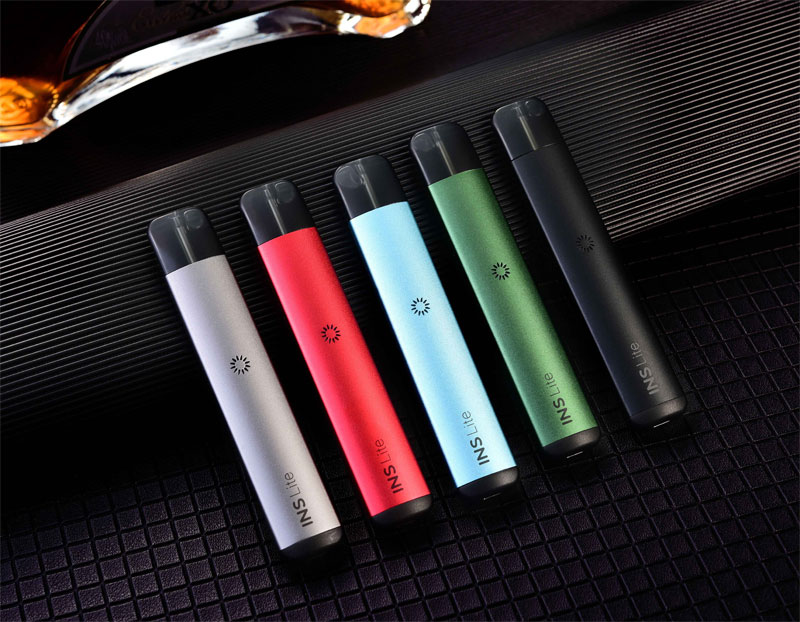
Also known as a tank, the cartridge is the part of the e-cigarette that holds the e-liquid. Depending on the design, some tanks are refillable, allowing users to try different e-liquid flavors or nicotine strengths with ease, while others are disposable.
Potential Health Implications
While e-cigarettes are generally considered less harmful than traditional smoking, they are not without risks. Understanding the substances involved is key. Nicotine addiction remains a concern, with potential impacts on heart and lung health. Furthermore, the long-term effects of inhaling some flavoring agents and ingredients are still under investigation.
Frequently Asked Questions
1. Are electronic cigarettes safer than traditional cigarettes?
While e-cigarettes are often marketed as safer alternatives, it’s important to note that they can still pose health risks. They are generally considered less harmful than smoking because they don’t burn tobacco, but monitoring ongoing research is crucial.
2. Can I use e-cigarettes for smoking cessation?
Many people use e-cigarettes as a smoking cessation tool. However, it’s important to seek guidance from healthcare professionals as more conclusive research is needed on their efficacy compared to traditional cessation methods.
3. Are there regulations for e-cigarette ingredients?
Regulations vary by country, but many areas require manufacturers to disclose e-liquid ingredients and adhere to certain safety standards. It’s essential to purchase products from reputable brands to ensure safety and quality.