In recent years, e-cigarettes have surged in popularity as an alternative to traditional smoking. But with this rise in usage, many people are understandably concerned about the long-term effects of e-cigarettes on health. This topic has generated considerable debate and research as health professionals and scientists strive to understand the potential consequences of using these devices over extended periods.
What Are E-Cigarettes?
E-cigarettes, also known as electronic nicotine delivery systems, are devices that heat a liquid to create an aerosol, or vapor, that users inhale. This liquid typically contains nicotine, flavorings, and other chemicals. Unlike traditional cigarettes, e-cigarettes do not burn tobacco, but this doesn’t mean they are without risk.
Components of E-Cigarettes
The main components of e-cigarettes include a battery, a coil that heats the e-liquid, and a mouthpiece. The e-liquid or vape juice often contains a mixture of nicotine, propylene glycol, glycerin, and flavorings. While this might seem less harmful than tobacco smoke, it’s crucial to understand the potential health implications of these ingredients.
Potential Health Risks
The long-term effects of e-cigarettes are still being studied since they are relatively new to the market. However, early research indicates several potential risks:
- Respiratory Issues: The inhalation of substances like propylene glycol and glycerin can irritate the respiratory tract. Over time, this might lead to chronic bronchitis or other respiratory diseases.
- Cardiovascular Health:
 Nicotine is a stimulant that increases heart rate and blood pressure, potentially exacerbating cardiovascular disease risk, particularly in individuals with pre-existing conditions.
 - Substance Dependence: Most e-liquids contain nicotine, a highly addictive substance. This could lead to long-term addiction or even influence users to transition to traditional tobacco products.
Impact on Young People
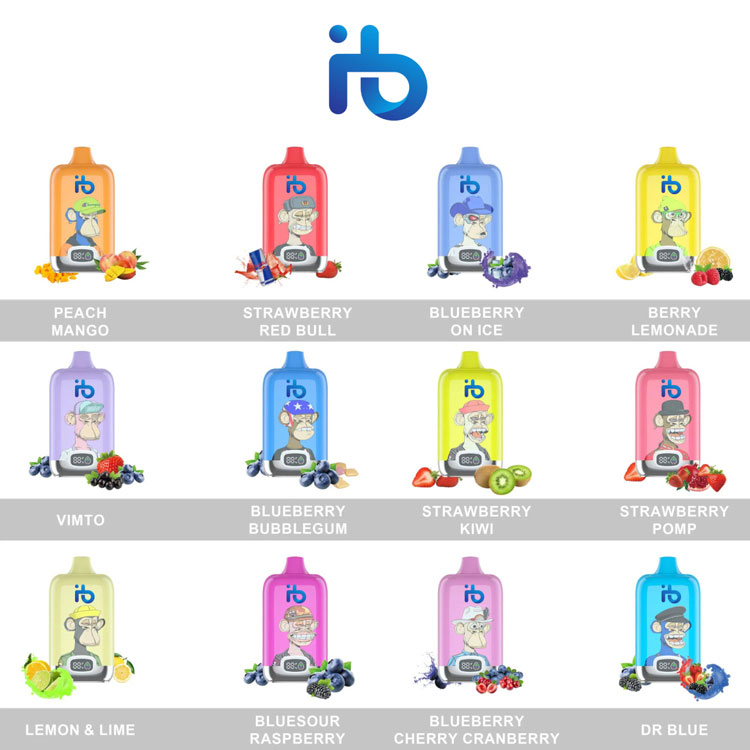
The long-term effects of e-cigarettes can be particularly detrimental to young users. Adolescents are more susceptible to nicotine addiction, which can impact brain development. Moreover, young users might underestimate the health risks associated with e-cigarettes due to targeted marketing and appealing flavors aimed at younger demographics.
Comparative Risks and Misconceptions

While it is widely accepted that e-cigarettes may be less harmful than traditional cigarettes, it does not mean they are safe. It’s important to avoid the misconception that using e-cigarettes is a harmless habit. According to experts, harm reduction doesn’t imply absence of harm. Therefore, potential users, especially those considering e-cigarettes for smoking cessation, should weigh the risks and benefits carefully.
Regulatory Measures and Future Outlook
Many countries have introduced regulations to control the sale and marketing of e-cigarettes. In the United States, for instance, the Food and Drug Administration regulates these devices, including permissions on flavors and claims about health benefits. As research continues, policymakers may adjust these regulations based on emerging data.
In Conclusion
At present, understanding the long-term effects of e-cigarettes remains a complex process involving ongoing research and assessment. While e-cigarettes offer a potential alternative for smokers looking to quit combustible tobacco, concerns regarding their safety persist. Thus, individuals must remain informed and cautious, staying up to date with new research findings.
FAQs
Q: Are e-cigarettes a safe smoking cessation tool?
A: While they can help some individuals quit smoking, they are not risk-free and should be used with caution, ideally under professional guidance.
Q: Can e-cigarettes lead to lung diseases?
A: There is potential risk for lung irritation and disease, particularly with prolonged use. However, more research is necessary to fully understand these effects.
Q: Do all e-cigarettes contain nicotine?
A: Most do, but there are nicotine-free options available. However, these still raise health concerns due to other chemicals present in the vapor.