With the rise of vaping, e-cigarette laws have evolved significantly across different regions. Understanding these regulations can be challenging due to variations in legislation and enforcement. Various countries impose different restrictions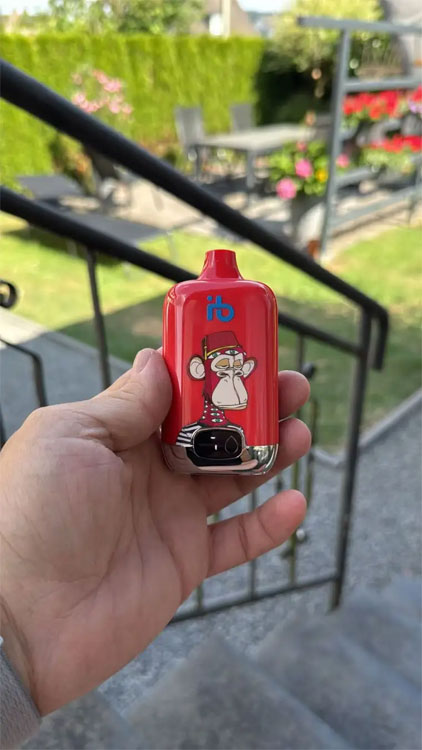 on e-cigarettes, ranging from complete bans to light regulation.
The Impact of E-Cigarette Regulations Globally
Across the globe, countries are creating laws to address the use and distribution of e-cigarettes. In certain regions, e-cigarettes are still legally treated as tobacco products, while elsewhere, they have their own set of rules. For instance, in the United States, the Food and Drug Administration regulates e-cigarettes under their tobacco product policies. This means manufacturers must seek approval for products before entering the market, ensuring certain standards are met for consumer safety.
Regulatory Nuances in the European Union
In the European Union, e-cigarettes are regulated under the Tobacco Products Directive, which sets criteria like advertising restrictions and safety standards. Many member states have their own additional regulations, emphasizing age restrictions and public use areas.
Regulations can differ even within federal systems, affecting local and international businesses.
As vaping continues to grow in popularity, other countries are adapting their laws to tackle associated health concerns and market dynamics. For example, Australia has strict laws often requiring a prescription for nicotine e-cigarettes, limiting access to adult smokers who use them to quit traditional tobacco products.
The Importance Of Compliance and Enforcement
Ensuring compliance with e-cigarette laws is not just about following rules but also about protecting consumer health and avoiding hefty fines or business shutdowns. Retailers often face audits and checks to ensure their products meet regulatory requirements. Enforcement can vary widely, from regular spot checks to self-reporting mechanisms.
Compliance not only affects manufacturers but the supply chain as a whole, influencing everything from marketing strategies to on-shelf products.
Challenges and Future Directions

The primary challenge for creating effective e-cigarette laws lies in balancing control with the technological and health benefits of e-cigarettes. As research continues into the health impacts of vaping, laws may tighten or evolve to accommodate new findings.
- Innovation vs. Regulation: The tech industry must work closely with lawmakers to ensure advancements in vaping technology are safe and compliant.
- Public Education: Governments and health organizations must educate the public on the risks and benefits associated with e-cigarette use.
Looking forward, laws are expected to adapt to scientific research findings and public health advocacy, ensuring a healthier future for all users.
FAQs on E-Cigarette Laws
- Q: Can minors legally purchase e-cigarettes?
- A: In most regions, including the United States and Europe, it is illegal for minors to purchase e-cigarettes, emphasizing age restrictions.
- Q: Are e-cigarettes allowed indoors in public places?
- A: Regulations on indoor use vary by area. Some countries and states ban indoor vaping in public places to prevent secondhand exposure.
- Q: Is there a limit to nicotine concentration in e-liquids?
- A: Yes, regulations often cap the maximum nicotine concentration in e-liquids. For example, the EU restricts nicotine levels to 20 mg/ml in vape products.

E-cigarette laws continue to shape the landscape for users and businesses alike, necessitating awareness and adaptation to remain compliant and informed.