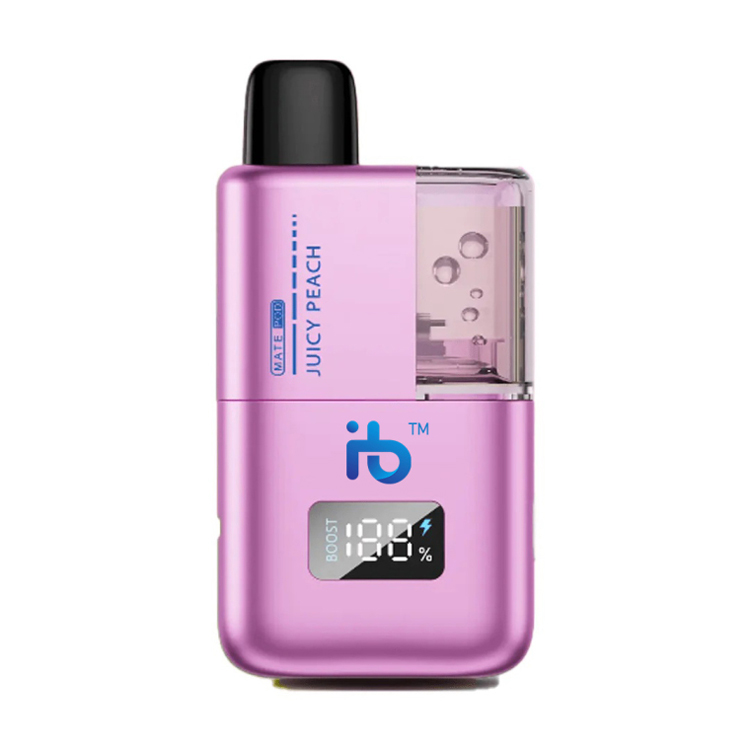
Thailand’s regulation of e-cigarettes has been a subject of much discussion among international travelers and local consumers, especially with the upcoming changes anticipated in 2025. As these regulations are set to evolve, understanding these modifications is crucial for users and businesses alike. Whether you’re a resident or planning a trip to Thailand, being informed about the “Thailand e-cigarette law 2025” can prevent unexpected surprises and ensure compliance with the law.
E-Cigarette History in Thailand
Historically, Thailand has taken a strong stance against the use of electronic cigarettes, maintaining strict laws that prohibit the importation, sale, and even possession of these devices. Since 2014, e-cigarettes have been categorized under the same stringent regulations that govern other tobacco products. This has posed challenges for visitors and residents who are accustomed to the freedoms enjoyed in other countries.
Expectations for 2025
Looking ahead to 2025, there are speculations and ongoing debates about how the “Thailand e-cigarette law 2025” might look. Some industry experts predict a shift towards more lenient policies, perhaps influenced by global trends and the growing body of research on harm reduction and public health.
The potential relaxation of these laws could pave the way for regulated distribution channels and better consumer protection standards.
However, optimism is tempered by Thailand’s traditional public health approach, which prioritizes youth protection and addiction prevention. Balancing these concerns with economic and social factors will be a key challenge for policymakers.
Possible Changes and Effects
If the laws do become more permissive, we might see a structured framework allowing for the regulation of e-liquid compositions, minimum age restrictions, and designated vaping areas. This approach could potentially harmonize Thailand’s policies with those of its ASEAN neighbors.


On the flip side, if the laws remain restrictive, travelers and expatriates will continue to face difficulties, with customs enforcement and penalties posing significant risks. The black market for vaping products could also flourish, raising concerns about product safety and tax evasion.
Business Impact
Businesses operating within Thailand’s borders, particularly those in the hospitality and retail sectors, should monitor these developments closely. An easing of e-cigarette restrictions might open new avenues for commerce and tourism but will also necessitate compliance with regulatory frameworks. Training staff and updating management practices will be crucial for adapting to any new legal landscape.
Public Health and Advocacy
Public health institutions and advocacy groups will play a pivotal role in shaping the e-cigarette dialogue in Thailand leading up to 2025. These organizations are likely to focus on educating the public about the potential risks and benefits of vaping as part of broader harm reduction strategies. Their input will be vital in crafting balanced regulations that protect consumers without stifling technological innovation.
FAQs on Thailand’s E-Cigarette Policy
- What is the current legal status of e-cigarettes in Thailand?
Currently, e-cigarettes are illegal to import, sell, or possess in Thailand. Violations can lead to severe penalties, including fines and imprisonment. - Could the law change in 2025?
While there is ongoing debate, any changes will depend on future government policy decisions, influenced by public health data and international trends. - How can tourists navigate these laws?
Tourists should stay updated on the latest travel advisories and consider avoiding carrying e-cigarettes to Thailand to minimize legal risks.