The invention of the first e-cigarette marks a significant milestone in the world of smoking alternatives. As concerns over the health impacts of traditional tobacco smoking rose, the demand for a safer alternative became increasingly apparent. The journey to the creation of the e-cigarette is as intriguing as the device itself.
Early Concepts and Innovations
The idea behind an electronic smoking device can be traced back to the 20th century. However, it wasn’t until the early 2000s that the modern e-cigarette, as we know it today, began taking shape. The primary motivation was to offer smokers a healthier alternative, reducing the risk associated with combustion.
Hon Lik: The Pioneer
In 2003, a Chinese pharmacist and inventor, Hon Lik, generated a breakthrough in smoking alternatives. Faced with personal loss due to smoking-related illnesses, he was driven to create a device that could deliver nicotine with vapor rather than smoke. Thus, the first commercially successful e-cigarette was born.
Design and Functionality
The first e-cigarette operated using piezoelectric ultrasound-emitting elements, producing a high-frequency, heated vapor from a nicotine-laced solution. This innovation mimicked the sensation of smoking without burning tobacco, a monumental shift in smoking habits.
Hon Lik’s invention laid the foundation for the myriad of vaping devices we see today, each designed to cater to varied preferences and needs.
Impact on the Global Market
The introduction of e-cigarettes quickly caught global attention. By bridging the gap between smoker’s needs and health-conscious choices, these devices began altering regulatory and commercial landscapes worldwide.
- Nikoti PH: Following the initial invention, various brands, such as Nikoti PH, emerged, capitalizing on the opportunity to innovate within this new market.
- Health Implications: Although touted as safer than traditional smoking, the long-term health effects of e-cigarettes continue to be studied and debated.
Cultural Shift
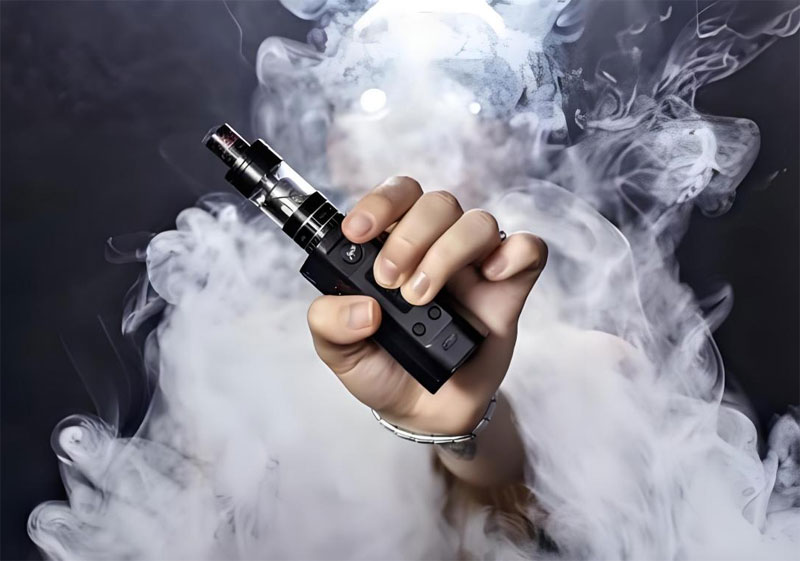
Furthermore, e-cigarettes have sparked a cultural revolution, making vaping a lifestyle choice transcending mere tobacco alternatives. The popularity of vape culture has led to a plethora of flavors and devices, enticing a younger demographic and creating a community around vaping enthusiasts.
As the e-cigarette evolves, so does the regulation surrounding it. Governance varies wildly, with some countries embracing this innovation and others implementing strict controls.
Future of E-cigarettes

With continuous advancements in technology and health research, the future of e-cigarettes holds exciting possibilities. Innovations aim to further minimize risks while optimizing the experience for users. Public Health remains at the forefront of e-cigarette development discussions, ensuring that this digital disruption is both safe and effective.
FAQs on E-Cigarettes
Q: Are e-cigarettes completely safe?
A: While they are generally considered safer than traditional cigarettes, e-cigarettes still carry risks. It’s important to stay informed about ongoing research.

Q: How do e-cigarettes affect traditional smoking rates?
A: E-cigarettes have contributed to a decline in traditional smoking rates, offering smokers an alternative and often serving as a cessation aid.
Q: What are the main ingredients in e-cigarette liquids?
A: Typically, e-liquids contain propylene glycol, vegetable glycerin, nicotine, and flavorings, all of which must meet safety standards.