The rise in popularity of e-cigarettes has sparked a significant debate on their influence on both users and those around them. One common concern revolves around the question: is the vapor from e-cigarettes harmful to others? To delve into this issue, we must first understand what e-cigarette vapor comprises.
Composition of E-Cigarette Vapor
E-cigarette vapor, often mistakenly called smoke, is created when the device heats e-liquid. This liquid typically contains nicotine, flavorings, and other chemicals. Unlike tobacco smoke, which is a product of combustion, e-cigarette vapor is generated through vaporization. While it might contain fewer harmful chemicals than traditional cigarette smoke, it’s essential to scrutinize its impact on public health critically.
Health Implications for Non-Users
Research on passive exposure to e-cigarette vapor is still evolving, but initial studies suggest potential risks. Non-users exposed to e-cigarette vapor may inhale liquid nicotine, various flavorings, and other chemicals. Although these elements are present at lower levels than in conventional cigarette smoke, concerns persist regarding their long-term effects. For individuals with respiratory conditions, such as asthma, inhaling e-cigarette vapor could exacerbate their symptoms.
Moreover, some chemicals found in e-liquids, such as diacetyl, have raised alarms because they are linked to respiratory diseases. Many e-liquids also contain volatile organic compounds (VOCs) and heavy metals, which may pose health issues. These compounds can contribute to indoor air pollution, leading to potential health risks for those frequently exposed.
Regulatory and Public Health Responses
As the industry grows, so too does the call for rigorous regulation. Some regions have implemented rules banning e-cigarette use in public spaces, similar to traditional smoking restrictions. These regulations aim to protect non-smokers, especially in enclosed areas where exposure levels are higher. While these measures are being enacted to safeguard public health, the debate continues as to whether they are sufficient or overly restrictive.
The Role of Awareness Campaigns
Public health campaigns have emerged to educate both e-cigarette users and non-users about potential risks. These initiatives often highlight the uncertainty surrounding secondhand vapor exposure and advocate for considerate use. Increasing awareness can empower individuals to make informed decisions about e-cigarettes and help reduce involuntary exposure.
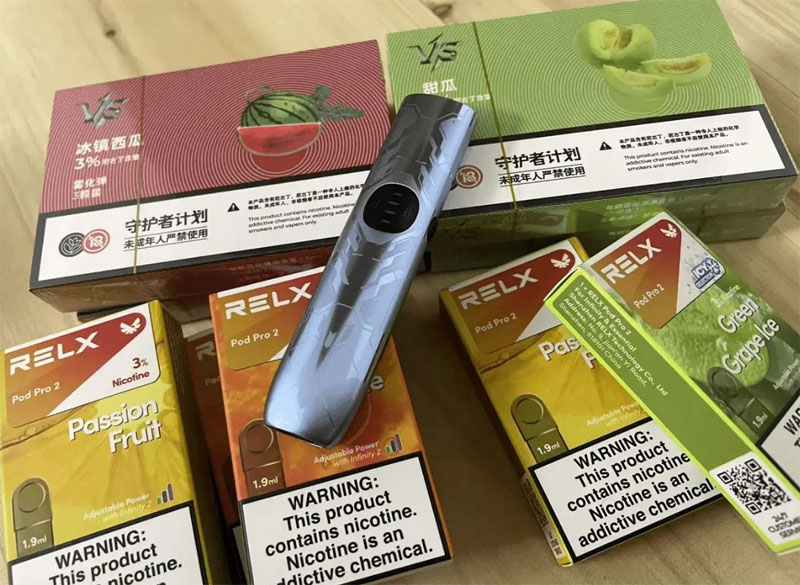
Understanding these dynamics is crucial for both public policy and personal health considerations. As more research unfolds, clearer guidelines can improve societal well-being and mitigate possible harm caused by e-cigarette use.

FAQs
Are e-cigarettes less harmful overall than traditional cigarettes?
While e-cigarettes tend to deliver fewer harmful chemicals than traditional cigarettes, they are not entirely risk-free, and the long-term health consequences remain unclear.
Can e-cigarette vapor cause indoor pollution?
Yes, e-cigarette vapor can contribute to indoor pollution through the release of VOCs and other harmful particles, potentially affecting air quality.
Should public spaces enforce bans on e-cigarette use?
Many argue that bans are necessary to protect non-users from potential exposure risks, while others insist such measures should be based on more conclusive research findings.