Health organizations, including the Centers for Disease Control and Prevention (CDC) and the World Health Organization (WHO), have issued cautions regarding the use of e-cigarettes, citing potential lung injuries, addiction risks, and adverse effects on blood vessels and heart health. Furthermore, the addictive nature of nicotine cannot be overlooked, as it poses significant challenges for those trying to quit smoking altogether.
When discussing whether any e-cigarettes are safe, it’s important to note that their safety is relative to their proper use and regulation. Some products might be safer due to lower nicotine concentrations and adherence to manufacturing standards. However, without comprehensive long-term studies and regulation, the question of absolute safety remains unanswered.
Notably, the rise of counterfeit products and the availability of illegal THC cartridges add layers of risk for users. Products obtained through illegal channels have been linked to severe lung injuries, underscoring the importance of buying e-cigarettes from reputable sources.
Are there differences across brands?
Indeed, there are significant differences among e-cigarette brands in terms of design, nicotine levels, flavors, and overall product safety standards. Brands often differ in the concentration of harmful compounds, making it essential to scrutinize the product details and ensure compliance with safety regulations.
Questions People Ask
- Is vaping less harmful than smoking?
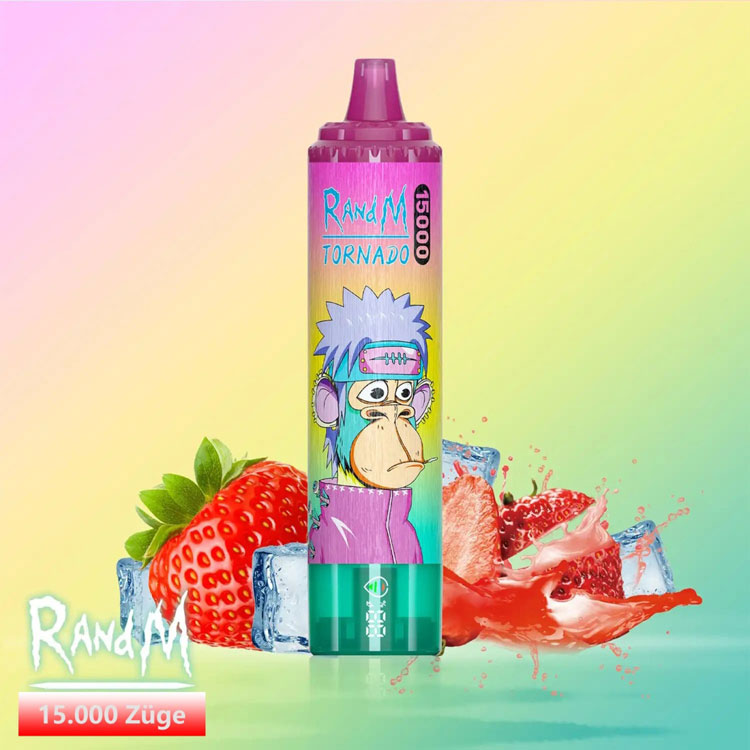 While vaping is generally considered less harmful than smoking due to reduced exposure to tar and toxic chemicals, it’s not without risks and can lead to nicotine addiction.
 - Can e-cigarettes help quit smoking?

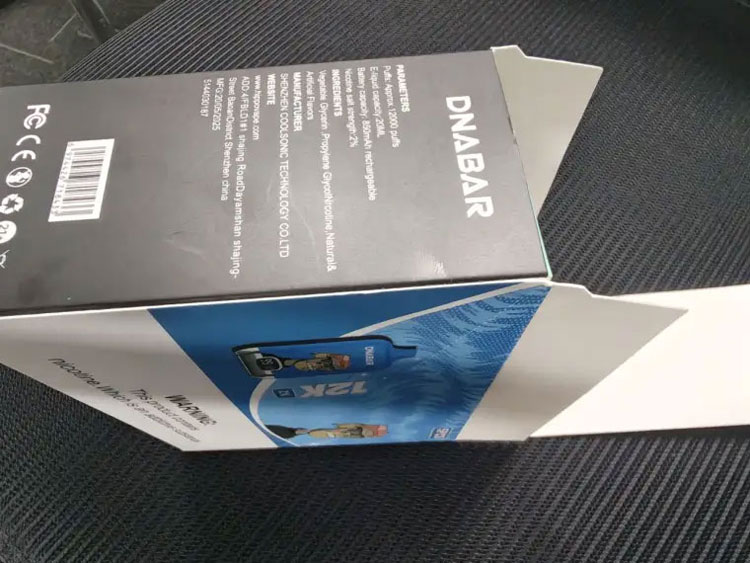 They might assist in quitting smoking for some individuals; however, others may end up substituting one addiction for another.
In conclusion, while e-cigarettes might provide a less harmful alternative to smoking, they are not devoid of risks. It’s imperative that consumers remain informed and heed regulatory advice when considering their use.