Understanding the Complex Landscape of E Cigarette Legislation: What You Need to Know
In recent years, the popularity of e cigarettes has surged, sparking a global conversation about their regulation. The e cigarette legislation varies significantly across different regions, creating a complex legal landscape for consumers and businesses to navigate. Understanding these laws is crucial, not only for compliance but also for ensuring the safety and awareness of users.
The History and Evolution of E Cigarette Legislation
Since their introduction in the early 2000s, e cigarettes have prompted numerous regulatory responses. Initially, there were few laws governing their use or sale. However, as their popularity grew, so did concerns over their health impacts and appeal to younger audiences. This led to increased scrutiny and the development of comprehensive e cigarette legislation in many countries.
Global Perspectives on E Cigarette Laws
Globally, the approach to e cigarette legislation varies. In the United States, the Food and Drug Administration (FDA) plays a pivotal role in regulating these products. The FDA requires e cigarettes to adhere to strict manufacturing standards and mandates that companies submit ingredient lists and health warnings. Meanwhile, the European Union has implemented the Tobacco Products Directive, which sets rigorous standards for nicotine content and advertising restrictions.
In contrast, some countries have taken a more prohibitive approach. For example, Australia has effectively banned the sale of nicotine-containing e cigarettes without a medical prescription. Other places, like Japan, restrict the sale of nicotine-infused liquids while allowing the sale of devices themselves.
Key Components of E Cigarette Legal Frameworks
Most e cigarette legislation is designed to address several critical issues: youth access, marketing practices, product safety, and taxation. Youth access is a predominant concern, leading to age restrictions on sales. Many regions enforce a minimum purchasing age, often aligning with existing tobacco laws.

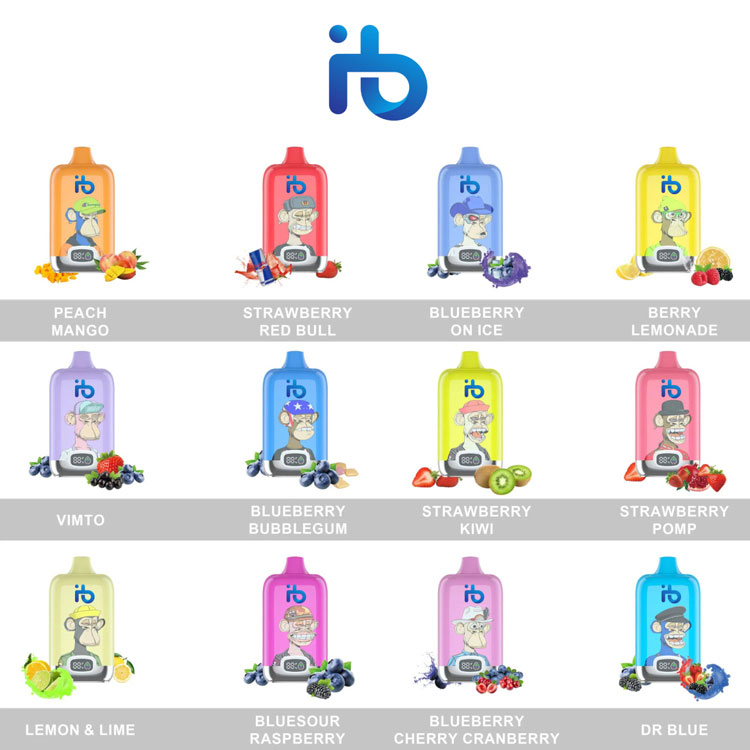
Marketing practices are tightly controlled to prevent appealing to minors. Restrictions often include bans on flavored e liquids, which are believed to attract younger consumers. Additionally, health and safety standards focus on ensuring the integrity of the devices and their ingredients, requiring rigorous testing and certification.
The Impact of E Cigarette Taxes
Another facet of e cigarette regulation is taxation. Many governments have introduced taxes on e cigarette products, aligning them with traditional tobacco products. The goal is to deter use among the general population and generate revenue that can be funneled into public health initiatives.
The tax rates differ vastly, impacting retail pricing and consumer choices. For instance, in the United States, states have adopted varied tax policies, ranging from per milliliter taxes on e liquids to percentage-based taxes on wholesale prices.
The Future of E Cigarette Legislation
As research on e cigarettes continues to evolve, so too will the legislative frameworks that govern them. Future laws will likely focus on balancing the potential benefits of e cigarettes as smoking cessation tools against the risks they pose, particularly to young people.
Innovations in technology and changes in public perception will also play significant roles. Importantly, international cooperation and information sharing will be vital in establishing comprehensive and effective regulations on a global scale.
Frequently Asked Questions
Q: Why is e cigarette legislation necessary?
A: It ensures consumer safety, prevents youth access, and regulates marketing and manufacturing practices to mitigate health risks associated with vaping.
Q: How do taxes affect e cigarette prices?
A: Taxes increase the retail price of e cigarettes, which can discourage use, particularly among price-sensitive consumers, including the youth.
Q: Are e cigarettes safer than traditional cigarettes?
A: While they are considered less harmful than traditional cigarettes, they are not without risks and their long-term health effects are still under study.