In the world of modern technology, the rise of electronic cigarettes has marked a significant shift in smoking habits. But how do electronic cigarettes work exactly? These devices have piqued the interest of many, from smokers seeking healthier alternatives to non-smokers curious about their functioning. At their core, electronic cigarettes, often called e-cigs, are designed to provide the user with a nicotine hit without the harmful effects of traditional cigarette smoke.
What are Electronic Cigarettes?
Electronic cigarettes are battery-operated devices that simulate the feeling of smoking. They work by heating a liquid to create an aerosol, often called vapor, which the user inhales. This liquid, known as e-liquid or vape juice, usually contains nicotine, flavorings, and other chemicals.
The Anatomy of an Electronic Cigarette
To understand how these devices work, it’s crucial to know the main components of an e-cig: the battery, the atomizer, and the e-liquid cartridge or tank.
- Battery: This powers the device and is often rechargeable. Some models feature a detachable battery, while others have built-in versions.
- Atomizer: This is the component that heats the e-liquid, causing it to vaporize. The atomizer contains a heating coil that gets activated when the user inhales or presses a button on the device.
- E-liquid Cartridge or Tank: This is where the e-liquid is stored. Some e-cigs have pre-filled cartridges, while others allow users to refill the tank with their preferred e-liquids.
How Do Electronic Cigarettes Produce Vapor?
The process of vapor production begins when the user activates the device. The battery sends a current to the atomizer’s coil, heating it up. Once the coil reaches a certain temperature, it heats the e-liquid soaked into the wick material, usually made of cotton. This heating process turns the liquid into vapor, which the user then inhales.
This vapor is often mistaken for smoke, but it’s, in fact, an aerosol that evaporates quickly in the air and generally contains far fewer harmful chemicals than cigarette smoke.
Vaping vs. Smoking
While both vaping and smoking deliver nicotine, they do so in fundamentally different ways. Traditional cigarettes burn tobacco, creating smoke that contains thousands of chemicals, many of which are toxic. In contrast, e-cigarettes use the process of vaporization, resulting in an inhalable aerosol.
One of the major appeals of vaping is the perceived reduction in harm. Many people switch to vaping as they believe it’s less harmful than smoking. However, it’s essential to note that the long-term health effects of vaping are still under study.
Are Electronic Cigarettes Safe?
The safety of electronic cigarettes is a topic of hot debate. While they are considered less harmful than traditional cigarettes, they are not entirely risk-free. The presence of nicotine and other chemicals in e-liquids means potential health risks, especially with prolonged use.
Moreover, there’s the risk of device malfunction, such as battery explosions, although such incidents are rare and usually due to misuse or manufacturing defects.

The Future of Electronic Cigarettes
As technology evolves, so does the design and functionality of electronic cigarettes. Manufacturers are continuously innovating, improving battery life, safety features, and user experience. Moreover, there’s a growing trend towards personalized vaping, allowing users to customize their devices and e-liquid flavors to suit personal preferences.
Governments worldwide closely monitor and regulate the use and production of e-cigs, and policies are continuously updated based on emerging research. This ensures consumer safety and helps frame vaping’s future landscape.
FAQs About Electronic Cigarettes
What is the primary benefit of using electronic cigarettes over traditional ones?
The primary advantage is the potential reduction in exposure to harmful chemicals found in tobacco smoke. However, it’s crucial to use these devices responsibly.
Can electronic cigarettes help with quitting smoking?
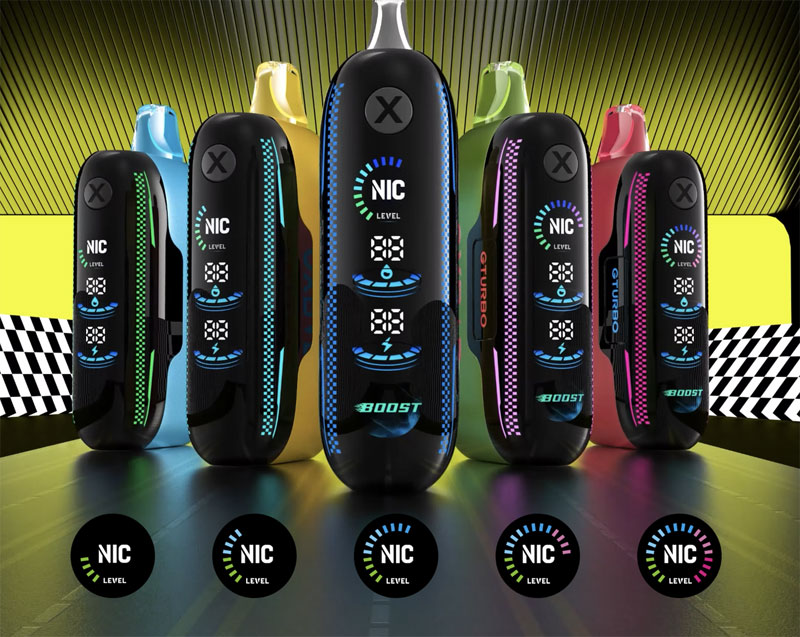
For some individuals, e-cigs have been an aid in quitting smoking by providing a less harmful alternative. However, their efficacy varies, and they are not officially recommended as cessation tools by health authorities.
What should I consider when choosing an electronic cigarette?

When selecting a device, consider factors like battery life, design, and compatibility with various e-liquids. It’s also wise to research and choose reputable brands to minimize risks associated with device malfunctions.